Turf Installation
January 7, 2025
7 min read
The Role of Turf Maintenance Services in Preventing Lawn Diseases
A lush, green lawn is a great way to make a fantastic first impression and increase the value of your property. However, beneath the surface, your turf is constantly vulnerable to various lawn diseases that can quickly transform a vibrant landscape into a patchy, unhealthy mess.
Common lawn diseases like brown patch, dollar spot, and pythium blight can spread rapidly and cause significant damage, not only affecting your lawn’s appearance but also damaging its root system and overall health.
This is where professional turf maintenance services come in. By monitoring your lawn for early signs of disease, applying preventive measures, and implementing proper soil management and irrigation techniques, turf care specialists play a crucial role in protecting your lawn.
In this blog, we’ll explore how professional turf maintenance services can help prevent lawn diseases and keep your lawn healthy, vibrant, and disease-free throughout the year.
Let’s dive in!
Understanding Lawn Diseases and the Role of Turf Maintenance Services
Lawn diseases are caused by a combination of factors known as the disease triangle. This important relationship involves three key elements:- Your grass variety (Host)
- Disease-causing organisms (Pathogen)
- Weather conditions and soil characteristics (Environment)
Common Lawn Diseases and Their Symptoms
Here are some common lawn diseases and their distinct symptoms: Brown Patch Disease- Circular patches of dead grass
- Affects both warm and cool-season grasses
- Thrives in humid conditions
- Small, circular spots about 2-3 inches wide
- Bleached appearance
- Common during morning dew periods
- Dark, water-soaked leaves
- Greasy appearance
- Rapid spread in hot, humid weather
How Turf Maintenance Services Prevent Lawn Diseases
Professional turf maintenance services implement strategic measures to prevent these diseases: Soil Testing and Analysis- Regular pH monitoring
- Nutrient level assessment
- Soil structure evaluation
- Precise irrigation scheduling
- Proper mowing techniques
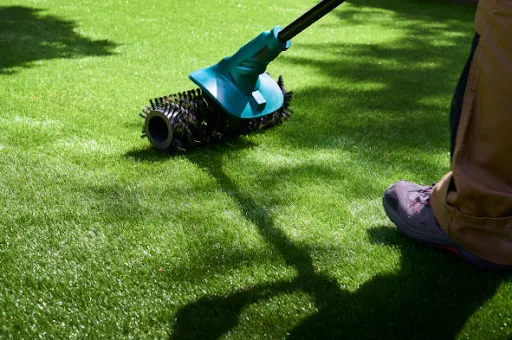
- Thatch control
- Pre-emergent treatments
- Targeted fungicide applications
- Seasonal preventive care
Adapting Strategies for Scottsdale's Climate
In Scottsdale's unique climate, turf maintenance services adapt these strategies to address specific regional challenges. Your lawn's resistance to diseases significantly improves through professional intervention that considers local weather patterns, soil conditions, and grass varieties.Proactive Approach: Early Detection and Intervention
Professional services utilize advanced diagnostic tools to identify early signs of disease development. This proactive approach allows for immediate intervention before diseases can establish themselves and spread throughout your lawn. Through regular monitoring and maintenance, these services create an environment where pathogens struggle to thrive while your grass maintains optimal health.Key Practices in Turf Maintenance for Disease Prevention
Strategic Irrigation Management
Strategic irrigation management stands at the forefront of disease prevention in turf maintenance. Your lawn requires specific watering patterns to maintain optimal health:- Deep Watering: Water deeply but infrequently to encourage deep root growth
- Early Morning Schedule: Water between 4-10 AM to reduce moisture lingering on grass blades
- Seasonal Adjustments: Modify watering frequency based on weather conditions and grass type
Importance of Proper Aeration
Proper aeration creates pathways for essential elements to reach grass roots. A well-aerated lawn shows these benefits:- Reduced soil compaction
- Enhanced nutrient absorption
- Improved water penetration
- Better root development
- Decreased thatch buildup
Mowing Height Guidelines
Your mowing practices directly impact lawn disease resistance. Here's what you need to know:- Warm-Season Grasses: Maintain at 1.5-2.5 inches
- Cool-Season Grasses: Keep at 2.5-3.5 inches
- Stressed Areas: Raise cutting height by 0.5 inches
- Reduces stress on grass plants
- Promotes stronger root systems
- Enhances natural disease resistance
- Maintains proper air circulation
Benefits of Professional Turf Maintenance Services
Professional turf maintenance services implement these practices with precision, using specialized equipment and expertise to achieve optimal results. They adjust these maintenance techniques based on:- Local climate conditions
- Grass species
- Soil composition
- Current lawn health status
- Seasonal requirements
The Role of Professional Turf Maintenance Services in Sustaining Healthy Lawns
Professional turf maintenance services, such as those offered by HEOS AZ, bring specialized knowledge and technical expertise to your lawn care routine. These experts understand the complex interactions between soil chemistry, grass varieties, and local climate conditions - factors that directly impact lawn health.Key Benefits of Professional Services:
- Targeted Problem Solving: Expert technicians can identify early signs of disease and implement preventive measures before issues escalate.
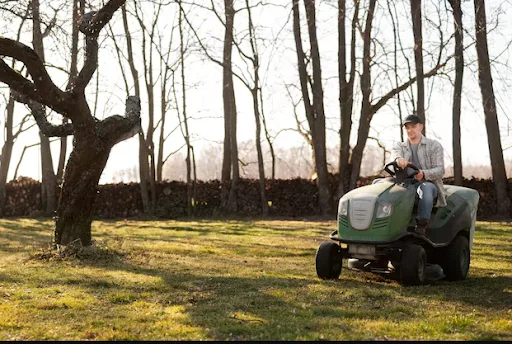
- Advanced Equipment Access: Professional-grade tools and machinery deliver superior results compared to standard residential equipment.
- Time-Tested Techniques: Years of hands-on experience enable professionals to apply proven maintenance methods effectively.
- Soil composition analysis
- Local weather patterns
- Grass species requirements
- Property-specific challenges
- Seasonal variations
- Water Management: Creating irrigation schedules that maximize water efficiency.
- Soil Enhancement: Implementing specific nutrient programs for desert soils.
- Heat Protection: Applying techniques to shield grass from extreme temperatures.
Invest in Professional Turf Maintenance Services for a Thriving Landscape
A thriving landscape demands consistent, expert care. Professional turf maintenance services bring specialized knowledge and proven techniques to protect your lawn from diseases and maintain its vibrant appearance. The investment in professional care pays dividends through:- Reduced risk of costly lawn diseases
- Expert diagnosis of potential issues
- Customized maintenance plans
- Year-round protection
- Enhanced property value
FAQs (Frequently Asked Questions)
1. What are some common types of lawn diseases?
Common types of lawn diseases include leaf spots, wilting, and discoloration. These issues can arise from various factors including pathogens, environmental conditions, and the health of the grass itself.
2. How does the disease triangle relate to lawn health?
The disease triangle consists of three components: host, pathogen, and environment. For a lawn disease to develop, all three elements must be present. Understanding this relationship helps turf maintenance services identify and mitigate potential threats to lawn health.
3. What are key practices in turf maintenance for disease prevention?
Key practices include proper irrigation management to avoid stress on grass, aeration techniques that improve soil drainage and reduce compaction, and maintaining optimal mowing heights to enhance air circulation around grass blades.
4. What benefits do professional turf maintenance services provide?
Professional turf maintenance services offer expertise and experience in managing lawns effectively. They provide customized solutions tailored to specific lawn needs and local climate conditions, ensuring a healthier landscape.
5. How does artificial grass compare with natural grass regarding disease vulnerability?
Artificial grass offers benefits such as water conservation and pest resistance. In contrast to natural grass, it is less susceptible to certain lawn diseases due to its synthetic nature, making it a viable option for homeowners concerned about disease management.
#Turf Installation#Landscaping#Phoenix#Arizona