Landscaping for Medical Facilities: Designing Therapeutic Outdoor Spaces
Landscaping for medical facilities requires more than well-trimmed hedges and seasonal color rotations. Hospitals, clinics, and care centers that invest in purposeful outdoor environments create measurable benefits for patients, visitors, and staff alike. This guide covers the design principles, key features, and landscape maintenance strategies that distinguish a genuinely therapeutic outdoor space from a standard commercial one.
The Science Behind Therapeutic Outdoor Spaces
The connection between nature and healing has a documented research foundation. In 1984, environmental psychologist Roger Ulrich published a landmark study in the journal Science showing that surgical patients with window views of trees recovered faster and required fewer pain medications than patients facing a brick wall. That finding has since been replicated across dozens of subsequent healthcare environment studies.
When patients, visitors, and staff can access well-designed green spaces, outcomes include lower cortisol levels, reduced self-reported pain scores, and shorter average hospital stays. Landscaping hospitals with this evidence in mind transforms outdoor areas from amenities into active components of the care environment.
Landscape Design Principles for Healthcare Properties
Effective landscape design for medical facilities begins with understanding the full range of users: patients with limited mobility, visitors managing emotional stress, and clinical staff seeking brief mental recovery between demanding shifts. Each group has distinct needs the design must accommodate simultaneously.
Accessibility and Safe Circulation
All walkways and garden paths must meet ADA standards, with a minimum width of five feet, slip-resistant surfaces, and clear sightlines. Raised planting beds allow wheelchair users and patients with limited reach to interact directly with plant material, which research links to measurable reductions in anxiety. Safe, intuitive circulation is non-negotiable on any healthcare property.
Sensory Layering Without Overload
Therapeutic outdoor spaces engage multiple senses without overwhelming them. Soft textures, gentle fragrance from low-allergen plants like lavender, and the ambient sound of moving water all reduce stress for patients, visitors, and clinical staff. Avoid thorned plants along primary walkways and heavily fragrant species near HVAC intakes or clinical entry doors.
Privacy and Openness in Balance
Patients and visitors benefit from a mix of enclosed, private seating zones and open lawn or courtyard areas. This balance mirrors the prospect-refuge principle observed across cultures: people feel most at ease when they have the option to survey an open space and retreat to a sheltered one.
Water Features as Therapeutic Tools
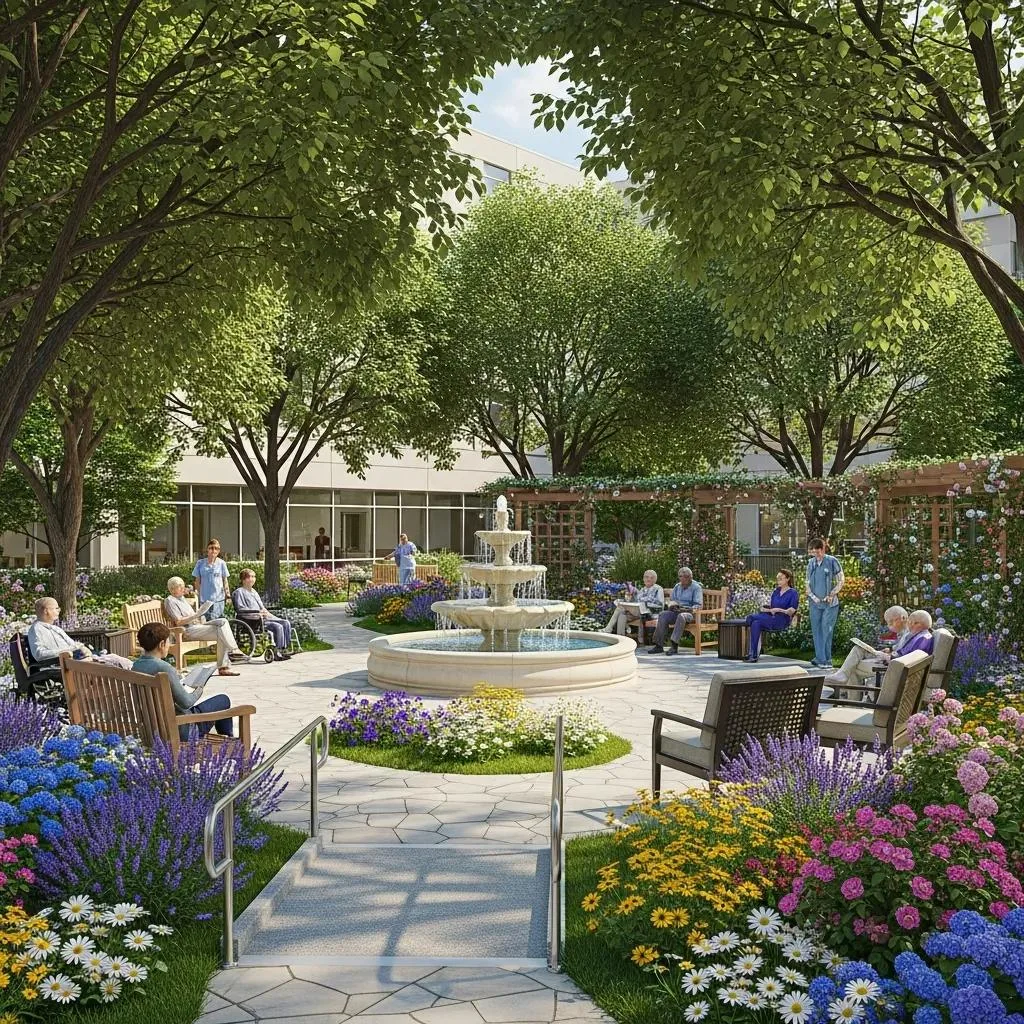
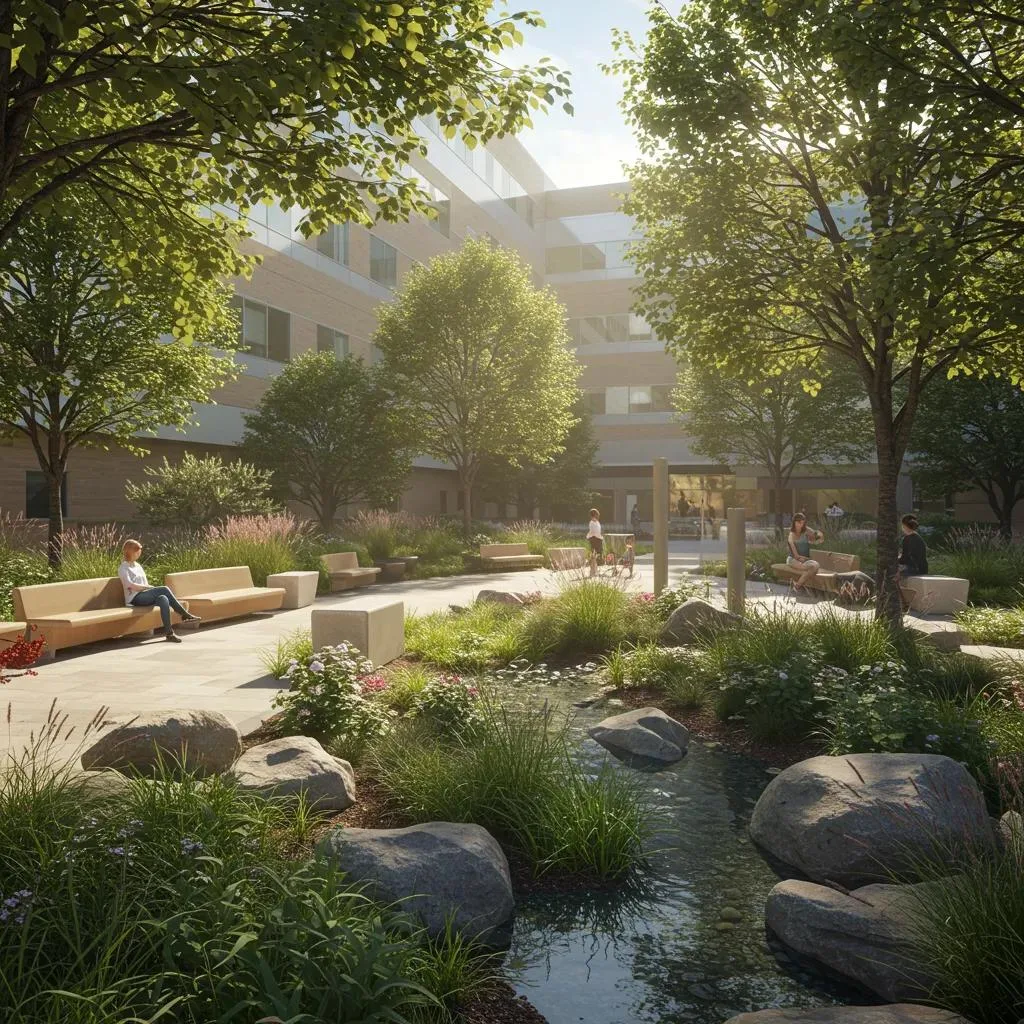
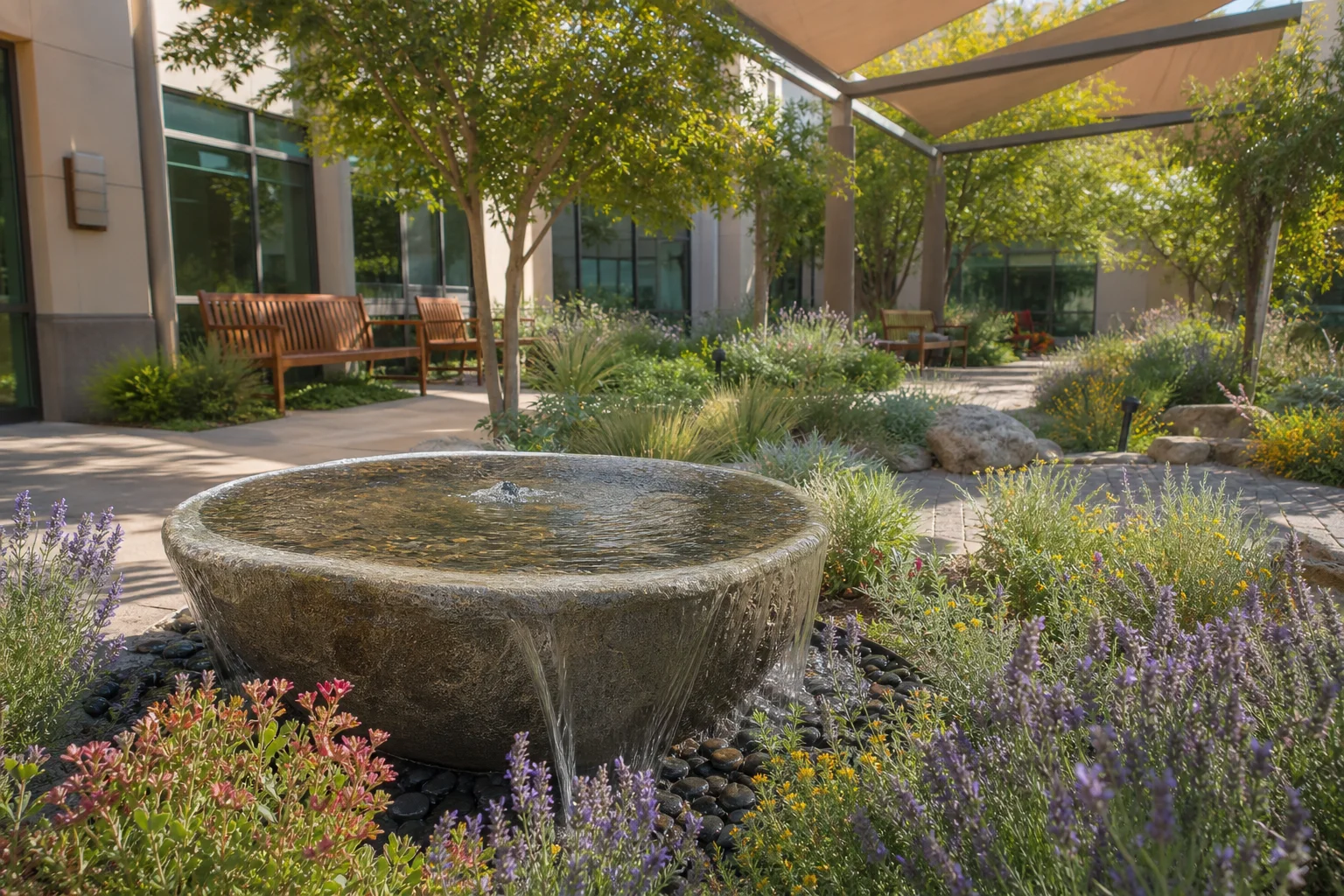
Few landscape elements have stronger clinical support than water features. Moving water produces consistent low-frequency ambient sound that masks mechanical noise common to hospital campuses, including HVAC systems, ventilation equipment, and vehicle traffic. This acoustic effect helps reduce stress for patients visitors waiting in courtyard areas before procedures or appointments.
For staff, a fountain or recirculating stream in a dedicated break area provides a genuine decompression zone between patient interactions. Design requirements specific to healthcare settings include:
- Closed-loop recirculation systems that eliminate standing water and reduce infection risk
- Accessible water edges designed for safe interaction by patients using wheelchairs or mobility aids
- Calibrated sound output so the feature is audible in rest areas without projecting into adjacent clinical zones
Well-maintained water features are a signature element of healing gardens and one of the highest-value investments a healthcare property can make in its outdoor program.
Healing Gardens: Design Categories and Applications
Healing gardens are purpose-built outdoor spaces designed to support psychological and physiological recovery. The term covers several distinct design categories, each suited to different facility types and patient populations.
Restorative gardens are primarily passive. Comfortable seating, shade structures, soft plantings, and calming water features allow patients visitors to simply be present in a pleasant outdoor environment. These work well for oncology wings, long-term care centers, and hospice settings where patients may have limited physical capacity.
Enabling gardens incorporate structured horticultural therapy activities. Raised beds, adaptive tools, and programming led by certified horticultural therapists give patients purposeful engagement with plant material. Research published in the Journal of Health Psychology connects horticultural therapy to improved mood and reduced depression scores in inpatient populations.
Staff respite gardens give clinical teams a genuine outdoor mental reset. Dedicated screening, comfortable seating, shade, and water features create a professional wellness benefit that supports retention and performance in high-acuity environments.
Landscape Maintenance Standards for Healthcare Properties
A therapeutic outdoor space only delivers on its promise when it is consistently well-maintained. Overgrown plantings, cracked walkways, or a non-functional water feature undercuts the clinical investment and creates legitimate safety liabilities on any commercial property that serves patients.
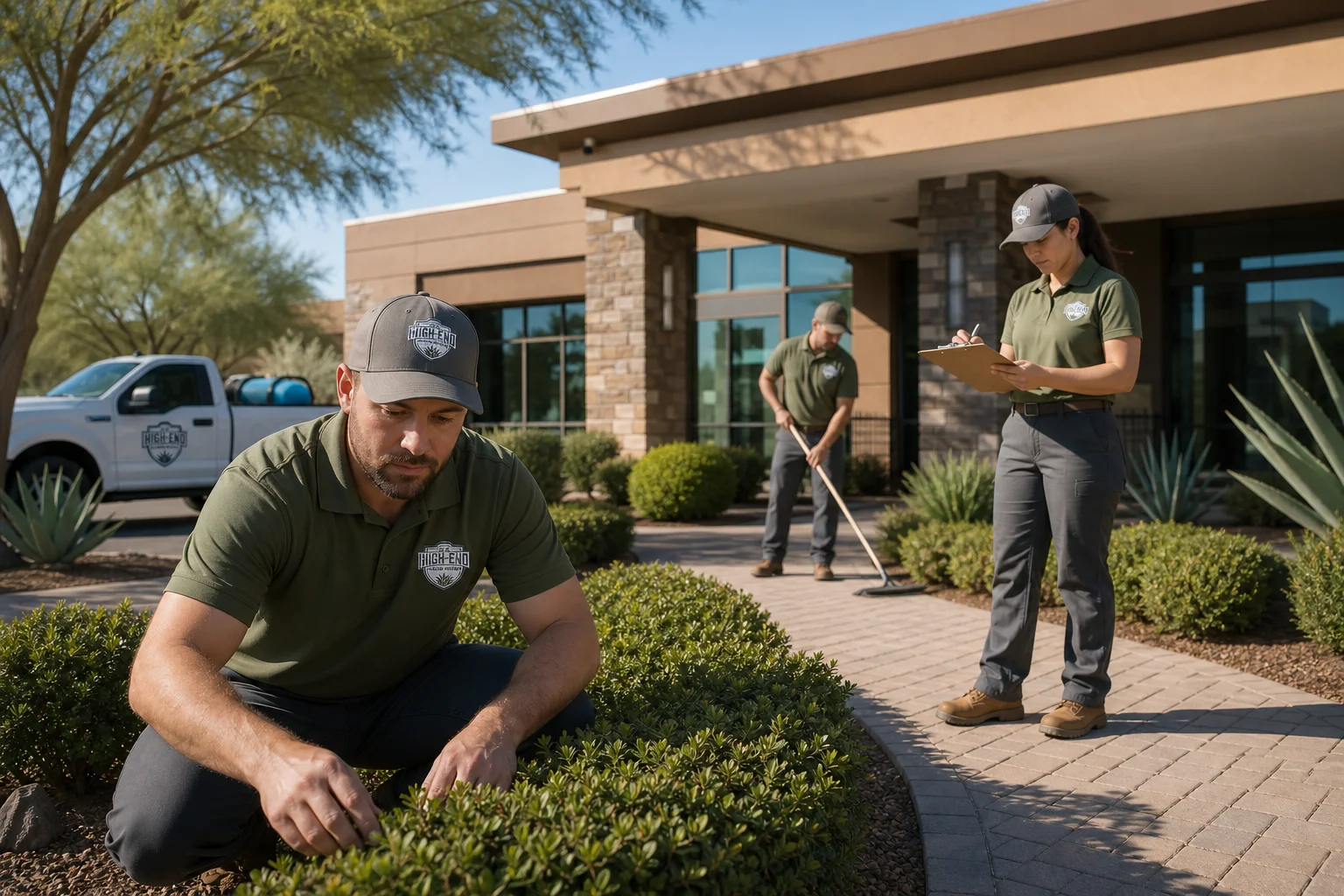
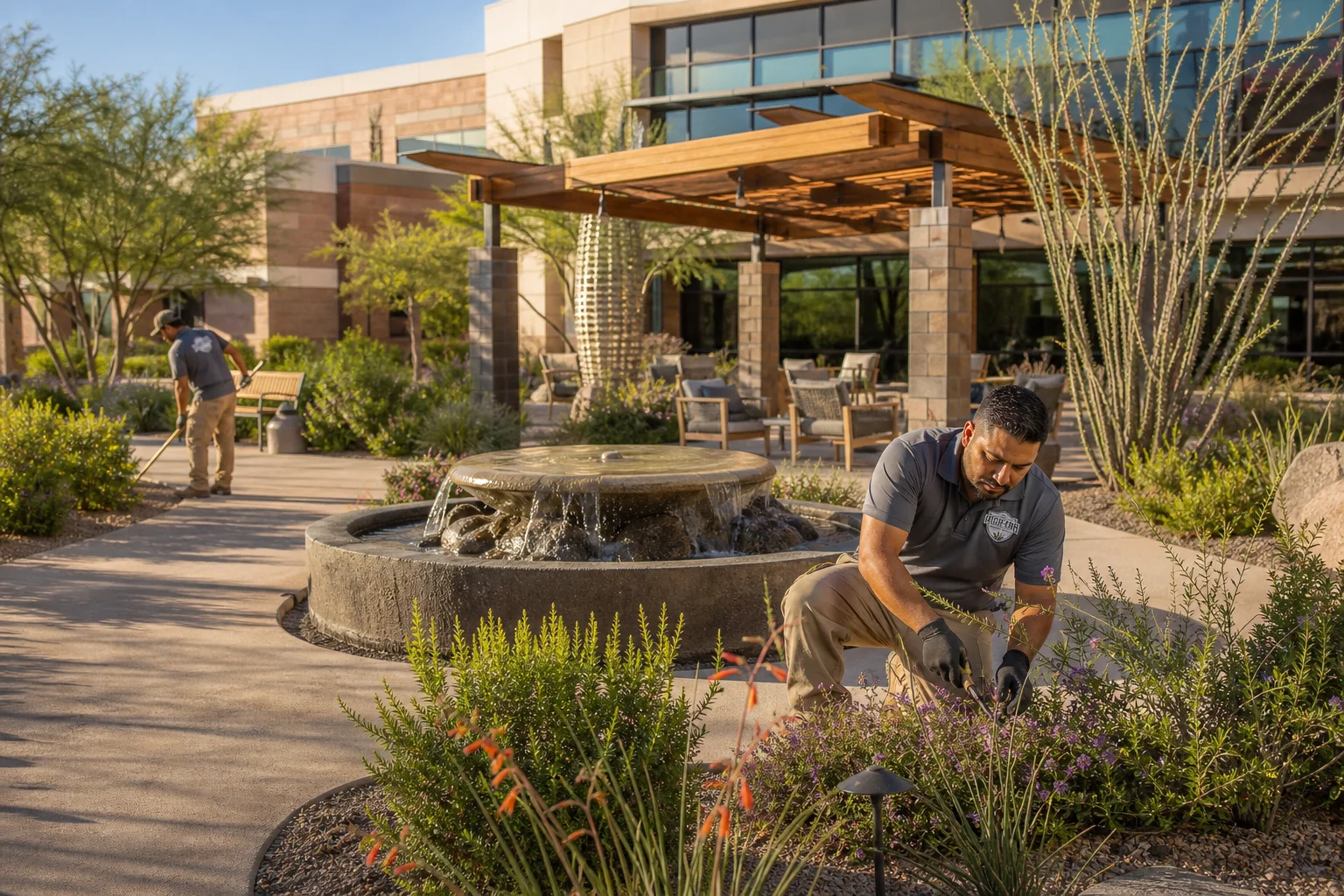
Landscape maintenance at medical facilities operates under a higher standard than typical commercial landscaping services. Professional crews must:
- Schedule visits during low-traffic windows to minimize disruption to patients and clinical staff
- Use low-odor products near patient rooms and active care zones
- Follow OSHA protocols for working on active healthcare campuses
- Communicate infrastructure concerns, from irrigation leaks to walkway damage, to facility management without delay
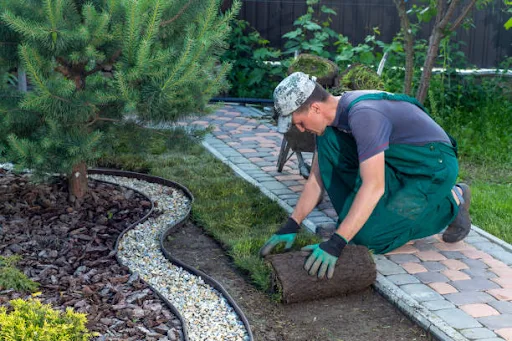
A well-structured landscape maintenance agreement specifies visit frequency, scope of services, seasonal color rotations, and emergency response protocols for storm damage or equipment failure. Facility managers who read the full scope of a maintenance contract before signing avoid gaps that become costly mid-season.
Selecting the Right Commercial Landscape Partner
Not every commercial landscaping company is equipped for the specific demands of healthcare environments. When evaluating a partner for landscaping hospitals, clinics, or senior care campuses, facilities teams should ask about experience with ADA-compliant landscape design, protocols for working on active medical campuses, and the capacity to handle both installation and ongoing landscape maintenance under one service agreement.
The right landscape partner functions as an extension of your facilities team. They show up prepared, communicate proactively, and treat every outdoor space on your property as a professional asset, not just a maintenance line item.
Frequently Asked Questions
What distinguishes landscaping for medical facilities from standard commercial landscaping?
Healthcare landscaping requires ADA-compliant landscape design, protocols for working near active clinical operations, non-toxic and low-allergen plant selections, and therapeutic intent backed by evidence. The design must support measurable outcomes for patients visitors and staff, not only visual appeal. That level of specificity requires a landscape partner with genuine healthcare experience, not just commercial volume.
Are healing gardens a cost-effective investment for hospitals and clinics?
Research supports the business case. Roger Ulrich's Science study and subsequent work published in Health Environments Research and Design Journal show that nature access reduces patient length of stay and analgesic use. For facilities that track outcomes, the return on a well-designed healing garden can be measured against reduced pharmacy and extended-stay costs.
How often should landscape maintenance occur at a medical facility?
Most healthcare properties require at minimum weekly landscape maintenance during active growing seasons and biweekly service in slower months. Water features typically need monthly professional service in addition to routine checks. A formal maintenance agreement aligned to the property's operational calendar ensures consistent care across all outdoor areas.
What plant types are best for therapeutic outdoor spaces in Arizona?
Native and desert-adapted species that require low water input and produce minimal allergens are the best fit for Arizona medical facilities. Avoid thorned or skin-irritant plants near walkways and heavily fragrant species near clinical entries. Low-water plantings also support sustainable landscape maintenance and reduce long-term operational costs for the property.
Can water features be safely managed on an active medical campus?
Yes, when designed and maintained to healthcare standards. Closed-loop recirculation systems eliminate standing water and reduce bacterial growth risk. Professional landscape maintenance protocols should include scheduled water quality checks and prompt response to any mechanical issues to keep the feature safe, functional, and therapeutic for everyone who uses the space.
HEOS AZ delivers professional landscape design, installation, and maintenance for commercial properties across Arizona that demand a higher standard, including medical facilities, HOA communities, and corporate campuses. Connect with our team to plan a therapeutic outdoor space built for your property at heosaz.com/contact.