Turf Installation
May 7, 2024
11 min read
The Ultimate Guide to Understanding Artificial Turf vs. Artificial Grass
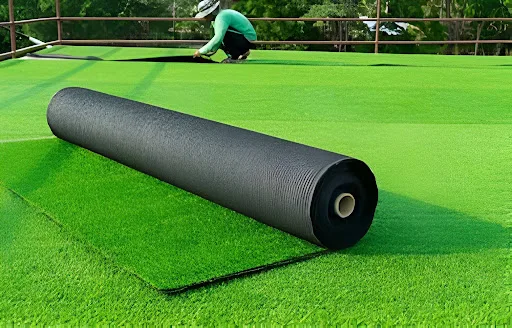
Welcome to the ultimate guide for understanding artificial turf and artificial grass. These popular synthetic grass options have risen in popularity due to their versatility, durability, and aesthetic appeal. However, it's essential to comprehend the distinction between the two for specific applications.
Artificial turf, known for its toughness and resilience, is commonly used in sports fields and stadiums. On the other hand, artificial grass, recognized for its longer and fluffier texture, enhances outdoor landscapes like lawns and gardens. For an extensive range of installation services, visit HEOS Artificial Grass Installation Services.
In this guide, we'll explore everything you need to know about artificial turf and artificial grass. From their advantages and uses to their impact on the environment and the installation process. We'll also provide guidance on how to choose the right option based on your individual requirements.
So let's dive into the world of these synthetic grass solutions that are revolutionizing outdoor areas worldwide.
Artificial Turf: The Perfect Choice for Sports
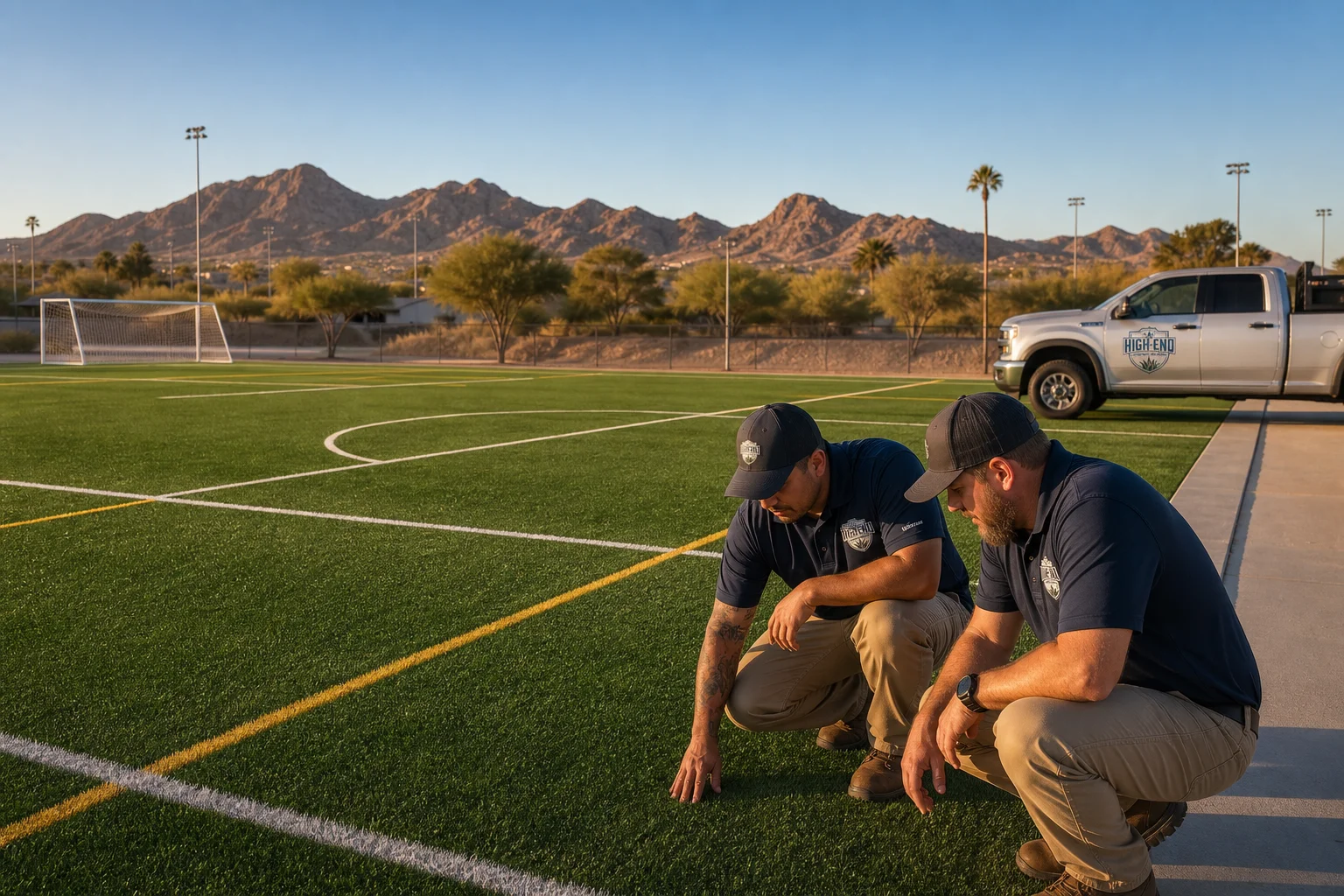
Artificial turf is an excellent option for sports, whether it's a local high-school field or a massive professional stadium. Its specially designed surface can handle the demands of athletic activities, offering a consistent and safe playing field for players. Learn more about turf maintenance services.Here are some reasons why artificial turf is preferred for sports:1. Durability
Unlike natural grass that can get worn out in areas with lots of foot traffic, artificial turf stays strong and intact, even after countless games and practices. It can endure heavy use without showing much damage.2. Playability
The surface of artificial turf is reliable, providing good traction and consistency that ensures fair play. Athletes can expect the ball to bounce predictably and have stable footing for running or making quick moves.3. Weather Resistance
Artificial turf fields are playable in any weather condition. The drainage systems installed beneath the surface prevent water from pooling, which often leads to game cancellations on natural grass fields. When it comes to discussing injuries associated with artificial turf, it's important to know that proper maintenance plays a big role in reducing risks. Regular upkeep helps keep the infill (the material between the turf blades) at an optimal level, providing cushioning during impacts and lowering the chances of abrasions or sprains. Advancements in turf technology have also led to the development of softer fibers and shock-absorbent pads, further enhancing player safety. By choosing artificial turf for sports facilities, you're making a long-term investment in a solution that offers both performance and safety while significantly reducing maintenance compared to traditional grass fields. It's easy to see why many organizations prefer artificial surfaces when building or renovating their sports spaces.Artificial Grass: Enhancing Your Landscape with Ease
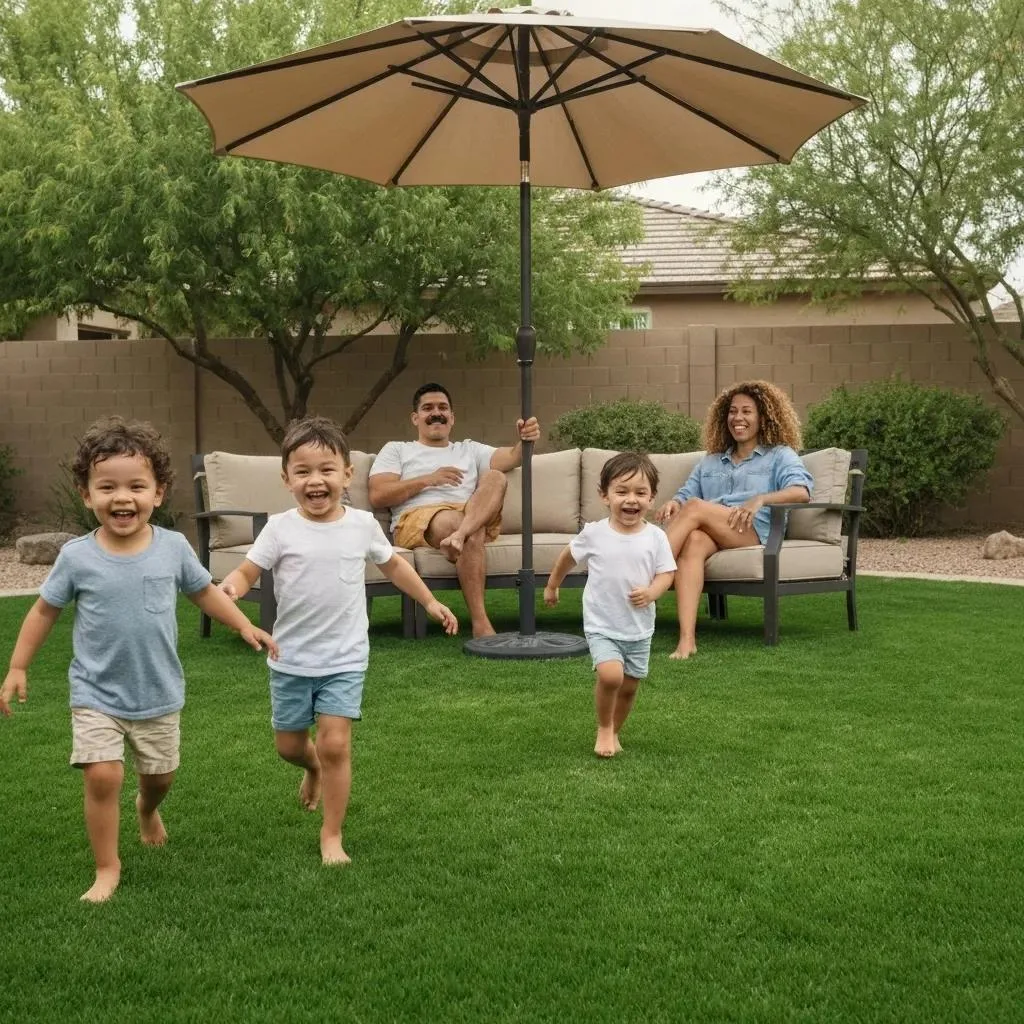
For those considering changing their residential lawns, artificial grass provides an attractive option. With its lush and vibrant appearance, artificial grass can greatly improve the look of any outdoor space. Artificial grass is designed to imitate the natural look of real grass. Its texture, color, and length are carefully chosen to give your gardens and lawns an authentic feel. Unlike natural grass, it doesn't turn brown or die, staying green all year round. The installation of high-quality artificial grass not only improves the visual appeal but also has many advantages:- Zero Water Usage: Artificial grass doesn’t need regular watering like natural grass. This makes it ideal for areas prone to droughts or water shortages.
- Low Maintenance: It eliminates the time-consuming tasks of mowing, fertilizing, and weeding. All you need is an occasional rinse to keep it clean.
- Long-lasting: Artificial grass has a lifespan of 15-20 years with proper care and maintenance – much longer than regular lawn grass.
Exploring the Differences: Artificial Turf vs. Artificial Grass
When choosing between artificial turf and artificial grass, it's important to compare their features with your specific requirements. Here's a detailed comparison to help you understand the distinctions between these two types of synthetic grass:1. Pile Height
- Artificial turf: typically has a shorter pile height, designed for durability and consistent ball roll in sports.
- Artificial grass: often features a longer, fluffier pile that mimics natural lawn grass more closely, catering to aesthetics.
2. Material Composition
- Artificial turf: usually made from a blend of materials designed for high traffic resilience, including polyethylene, polypropylene, and nylon.
- Artificial grass: may use softer materials to create a more natural feel underfoot in landscaping applications.
3. Infill Requirements
- Artificial turf: requires infill material (such as rubber or sand) to provide stability and cushioning for sports activities.
- Artificial grass: may use less or different types of infill aimed at maintaining appearance rather than providing sport-specific benefits.
4. Intended Use
- Artificial turf: primarily used in sports fields where it provides a uniform surface for athletic performance.
- Artificial grass: commonly installed in residential or commercial landscapes where comfort and visual appeal are priorities.
5. Maintenance Needs
- Both options require minimal maintenance; however, turf may need more frequent cleaning and infill replenishment due to heavy usage in athletics.
Considering the Environmental Impact
When you choose synthetic grass, such as artificial turf or artificial grass, you're not only selecting a low-maintenance landscaping solution but also making an environmentally friendly choice. These synthetic options offer significant environmental benefits that should not be overlooked.Environmental Benefits of Synthetic Grass:
- Water Conservation: Both artificial turf and artificial grass significantly reduce water usage. Unlike natural lawns that need regular watering to stay green, synthetic grass maintains its appearance without this requirement. This is especially advantageous in areas where water scarcity is an issue.
- Elimination of Pesticides and Fertilizers: Traditional lawn care involves using chemicals like pesticides and fertilizers that can harm the environment. By installing synthetic grass, you eliminate the need for these substances, which contribute to pollution in soil and water.
- Durability and Longevity: Synthetic grass products are designed to withstand heavy use and harsh weather conditions, meaning they don't need frequent replacement like natural turf does. This durability leads to less waste generated over time.
Making the Right Choice for Your Needs
When choosing between artificial turf and artificial grass, you need to consider several factors to determine the most suitable option.Intended Use
As mentioned earlier, if you're planning to use synthetic grass for sports fields or stadiums, artificial turf is the best choice due to its durability and playability. On the other hand, artificial grass makes an excellent choice for residential landscapes, gardens, or any areas where a lush green aesthetic is desirable.Budget
The cost for both artificial turf and grass can vary significantly depending on quality, brand, and installation fees. Artificial turf might require a higher upfront investment due to its specialized use. However, both options could result in long-term savings from reduced maintenance costs and water bills.Maintenance Preferences
Both types of synthetic grass are low maintenance compared to natural grass. However, artificial turf designed for sports use might need more frequent cleaning and brushing to maintain optimum condition; while artificial grass used for landscaping purposes requires less frequent care. The decision ultimately comes down to your specific needs and priorities. You should consider all these factors before making your final decision.Professional Installation: Why It Matters
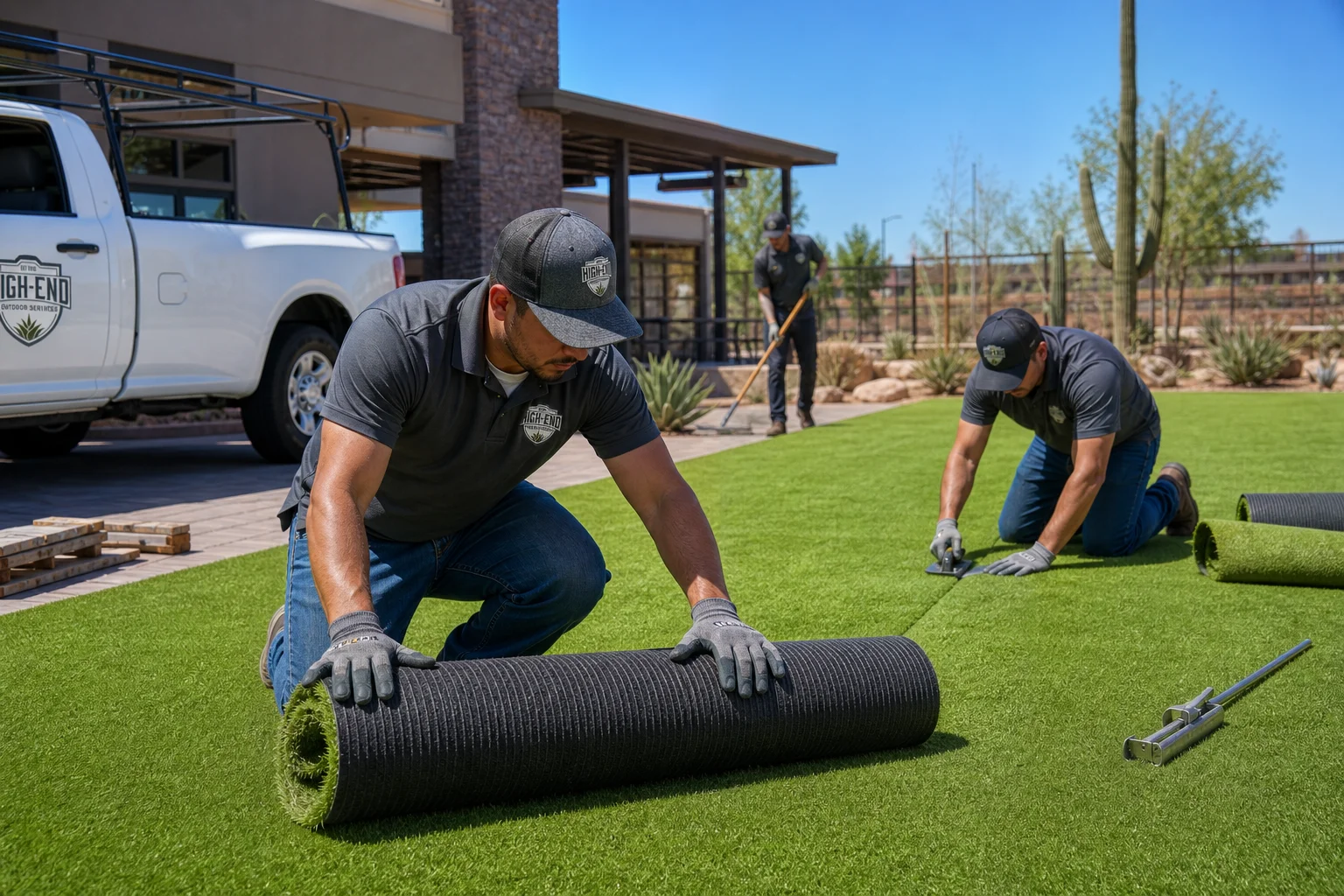
Opting for professional installation of artificial turf and artificial grass is no less than an investment towards quality assurance. It plays a pivotal role in boosting the lifespan of your synthetic grass and ensuring it continues to perform optimally for years to come. Why is professional installation so crucial, you ask? Here are some reasons:- Expertise: Professionals possess knowledge about the correct installation techniques, ensuring that the product is installed accurately. They understand how to handle various landscapes and can install the product efficiently, even in complex areas.
- Tools and Equipment: Professional installers have access to high-quality tools and equipment necessary for a proper setup. This can save you time and money spent on renting or purchasing these tools yourself.
- Longevity: A correctly installed synthetic grass can withstand weather changes and heavy foot traffic over time. Professionals ensure that your synthetic grass is well-prepared to face these challenges, thereby improving its longevity.
- Warranty: Most synthetic grass products come with warranties, but they often require professional installation. Doing it yourself may void the warranty.
Conclusion
Understanding the differences between artificial turf vs. artificial grass is essential for ensuring that your synthetic grass installation meets your specific needs. Whether you're a facility manager looking to equip a sports complex or a homeowner wanting to enhance your property's landscape, this knowledge is vital.For professional advice and installation, visit HEOS Professional Installation Services.- Artificial turf offers a durable and uniform playing surface for athletes and sports enthusiasts.
- Artificial grass is a visually appealing and low-maintenance choice for homeowners who desire greenery all year round.
- What are the key differences between artificial turf and artificial grass?
- Which is better for sports fields: artificial turf or natural grass?
- How can artificial grass improve my home landscape?
- What are the environmental benefits of installing artificial turf or grass?
- How long does artificial grass last, and what maintenance is required?
- What should I consider when choosing between artificial turf and artificial grass?
- Why is professional installation important for artificial turf and grass?
- Where can I find reliable artificial grass installation near me?
#Turf Installation#Landscaping#Phoenix#Arizona