Sports Field and Multi-Use Turf for Schools, Parks and Athletic Facilities
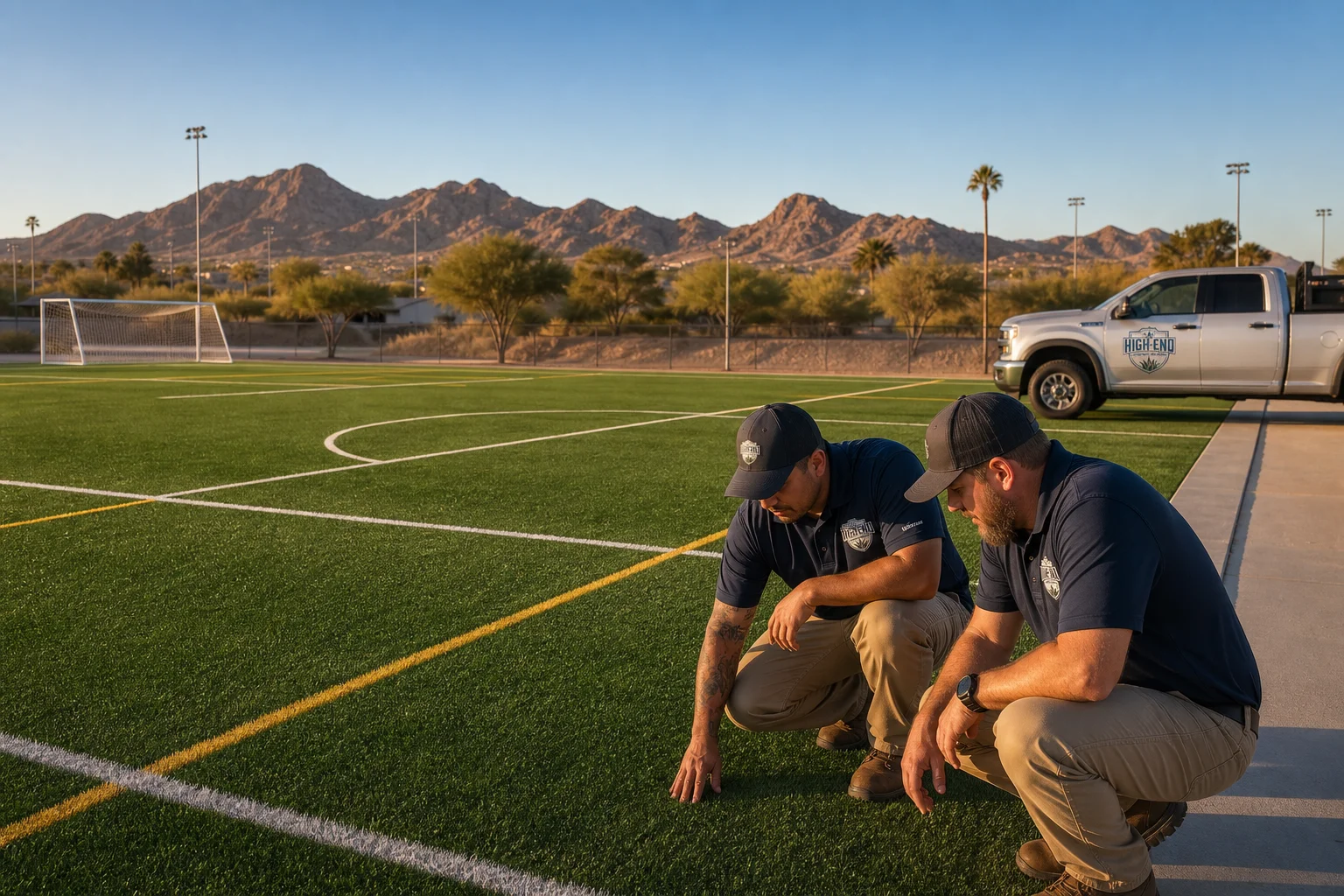
Sports field and multi-use turf for schools, parks and athletic facilities provides consistent, year-round playing surfaces that eliminate irrigation demands, reduce maintenance costs, and withstand the heavy daily traffic that degrades natural grass. Turf Installation from a commercial specialist transforms institutional grounds into high-performance venues that serve students, athletes, and communities every season.
By HEOS AZ Team, Outdoor Living Specialists
Why Schools, Parks, and Athletic Facilities Are Choosing Synthetic Turf
Synthetic turf has become the standard choice for public institutions managing tight budgets and high-volume athletic programs. Unlike natural grass, which requires consistent irrigation, fertilization, rest periods, and re-seeding after heavy use, synthetic turf fields stay ready for play every day of the year. In Arizona's climate, where relentless heat and extended drought cycles stress natural lawns, the shift to artificial surfaces is both practical and financially responsible.
Water savings drive many of these decisions. Natural grass athletic fields require regular irrigation to remain safe and playable, especially during the months of June through September in the desert Southwest. Synthetic turf eliminates that ongoing water demand entirely once installed, freeing institutional budgets for equipment, program expansion, and facility upgrades.
Beyond water, synthetic turf removes the need for pesticides, herbicides, and fertilizers, keeping fields free from chemical applications that would otherwise close the surface for several days and restrict access for youth athletes and families. The combination of reduced operating costs and improved availability makes synthetic turf a practical long-term investment that serves every program on the facility calendar.
Choosing Sports Field and Multi-Use Turf for Schools, Parks and Athletic Facilities
One of the greatest strengths of modern turf fields is versatility. A single well-designed installation can serve soccer, football, lacrosse, field hockey, and community events on the same surface without conflict throughout the week. The design process involves selecting pile height, infill type, and multi-sport line marking configurations that accommodate different programs without compromising safety or performance for any of them.
Arizona facilities face peak booking pressure from June through August, when school football camps, youth soccer leagues, and community recreation programs all compete for field time. Synthetic turf handles that volume without the bare patches, uneven footing, or mandatory rest periods that facilities managers face with natural grass.
When communities watch their home teams play on quality surfaces, program participation grows. Players and teams consistently win the enrollment and registration battle when their facilities sign meets the expectations of competitive programs. Community Landscaping services can integrate multi-use turf fields into comprehensive park master plans that include shade structures, seating, and pedestrian circulation. A shared-use field that serves youth soccer leagues in the morning, football programs in the afternoon, and community events on weekends delivers measurable return on the initial installation investment.
The FIFA World Cup Effect on Athletic Turf Standards
The FIFA World Cup is raising expectations for athletic surface quality at every level of the sport. With the 2026 FIFA World Cup bringing matches to host cities in Texas, Seattle, and across the country, the quality of turf fields at match venues has become a reference point that coaches, athletic directors, and facilities managers use when specifying their own installations.
FIFA's Performance Quality Programme establishes specific thresholds for ball roll, shock absorption, surface hardness, and pile recovery. Programs at institutions like Texas Tech University have demonstrated that investing in certified multi-use synthetic turf complexes drives both athletic performance and facility revenue. While a school district or park does not need formal FIFA World Cup certification, those benchmarks provide a practical framework for evaluating turf products that perform consistently under real athletic use.
The visibility of the World Cup also drives grassroots demand. As fans and players watch games and top teams compete, local leagues see registration surges. The Seattle Mariners operate at T-Mobile Park on artificial turf, one of many major sports venues that have committed to synthetic surfaces for reliability across a full season of games. The Golden Knights and other professional franchise teams have set the same expectation in their respective sports, and those standards now reach recreational programs at every level. The same surface quality that NBA Finals venues demand is increasingly the baseline for collegiate and institutional athletic facilities, and the investment pays back in recruitment, community engagement, and long-term wins for the program.
Maintenance That Keeps Turf Fields Competition-Ready
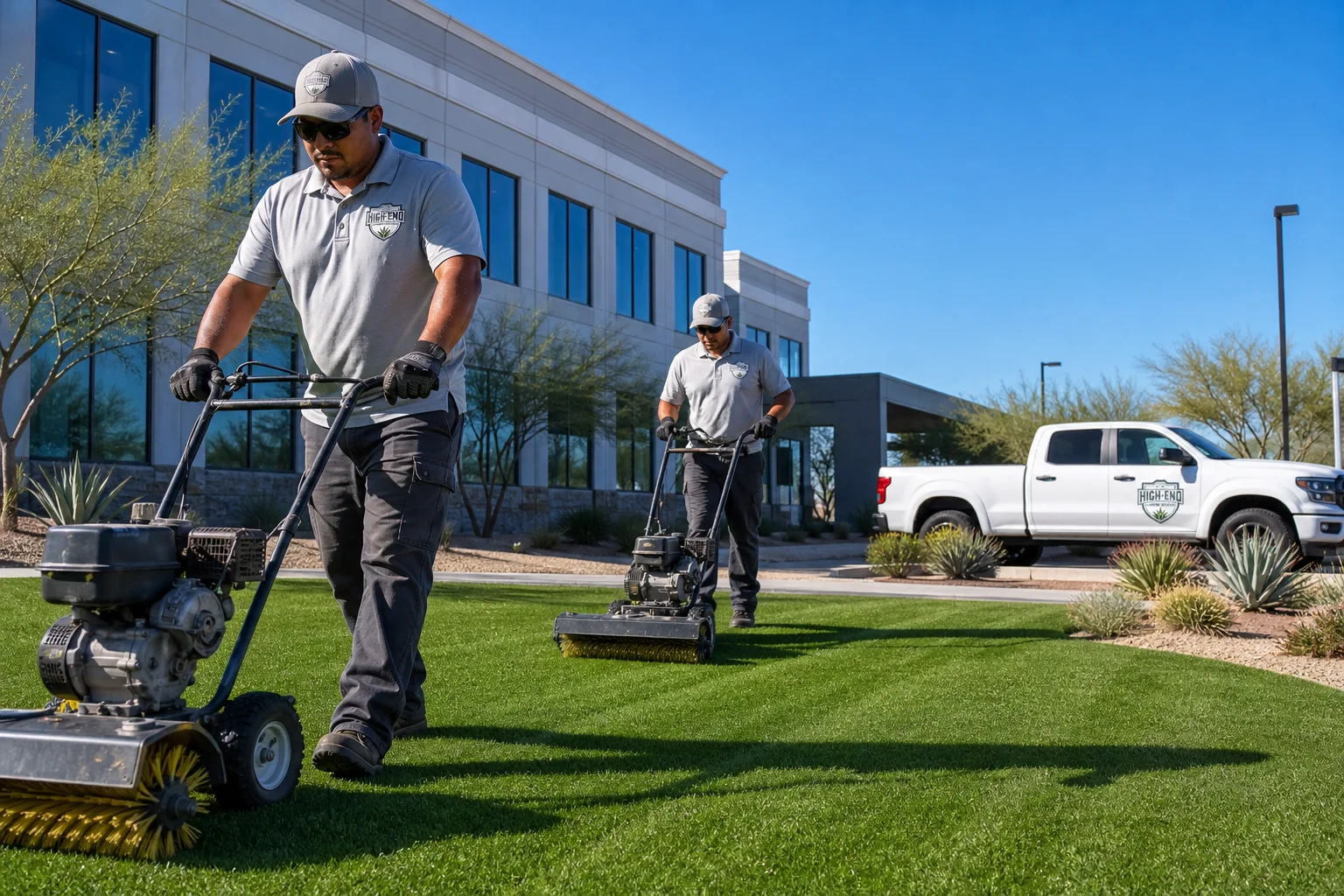
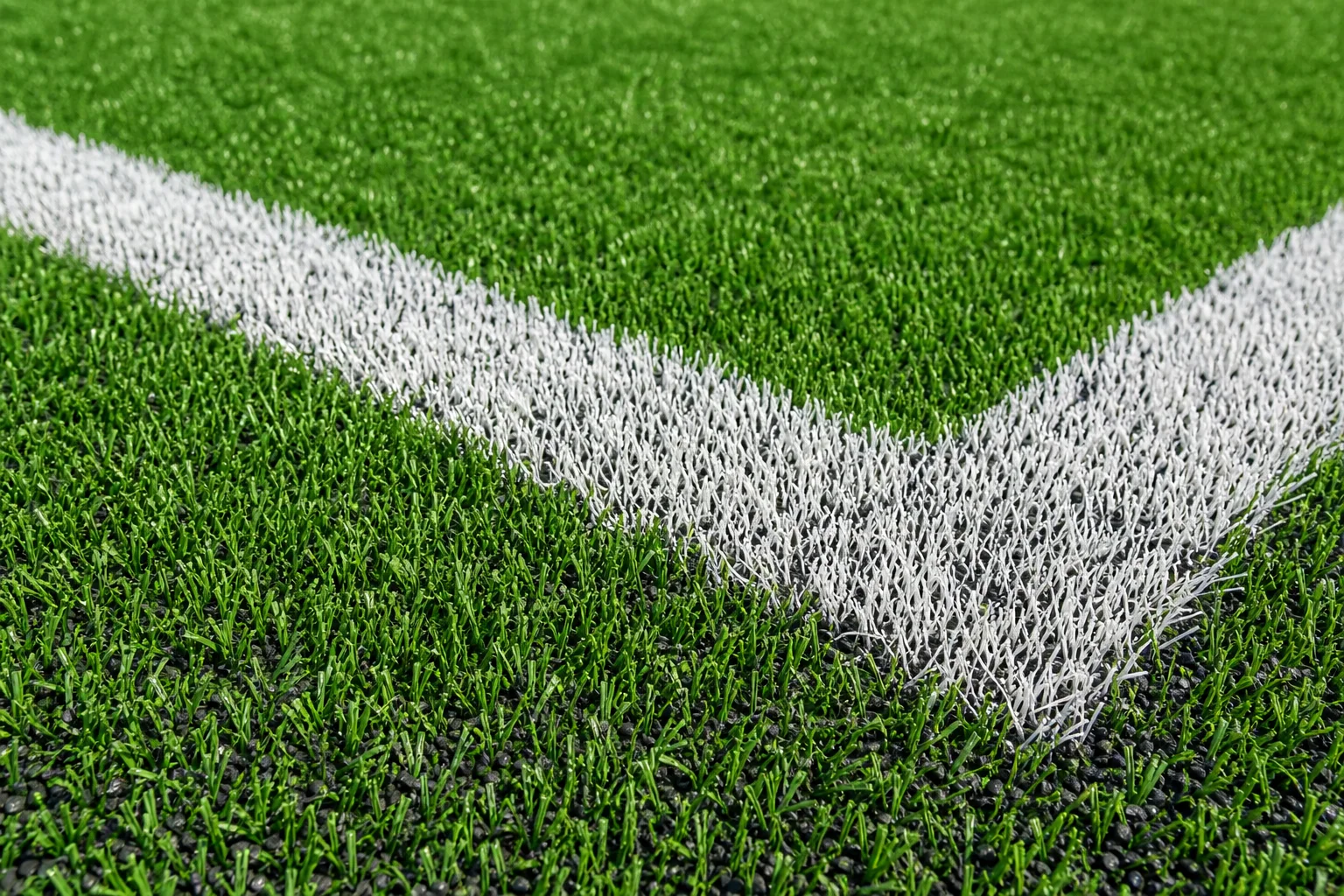
Synthetic turf fields perform best with scheduled professional maintenance. Infill displacement, debris accumulation, and fiber compaction are the primary challenges on fields hosting games multiple days per week. Without periodic grooming, those conditions reduce player safety and shorten the useful life of the installation significantly.
Storm events are a recurring disruption. Heavy rain pushes infill toward field edges and drainage channels while depositing organic debris across the playing surface. A post-storm inspection and grooming session restores the field to full playing condition far faster than any natural grass alternative could recover from saturation.
High-traffic school and park turf fields benefit from professional service every 30 to 60 days, with a thorough annual visit before each peak season begins. Addressing seam separations, infill voids, and fiber matting early prevents minor issues from becoming full replacements. For a detailed breakdown of identifying and resolving surface problems, see Turf Repair Services: Identifying and Fixing Common Synthetic Lawn Problems.
For programs managing multiple fields across a campus or community park system, Implementing Effective Landscape Maintenance Programs for Commercial Properties covers scheduling frameworks and contractor coordination strategies that keep every surface in top condition throughout the year.
Heat Management and Safety for Arizona Athletic Facilities
Heat performance is a real consideration for Arizona facilities. Synthetic turf absorbs more solar radiation than natural grass during summer months, and surface temperatures on unshaded fields can be significantly elevated during midday hours. Facility managers address this through several methods: selecting cooler infill materials such as cork or coconut fiber, installing perimeter misting systems, and scheduling contact sports for early morning or evening hours during peak summer months.
Regarding safety, synthetic turf products designed for athletic use are evaluated under ASTM F1936 and FIFA Quality Programme standards for shock absorption, which directly affects injury risk during falls and tackles. Facilities serving youth athletes should review current published guidance from the Consumer Product Safety Commission when selecting infill materials, as research on long-term exposure to various infill types continues to evolve.
For a broader look at cost-effective outdoor surface choices across the Phoenix metro, Affordable Landscaping Services: Quality Solutions for Phoenix Businesses outlines the full range of options available to commercial and institutional clients.
Frequently Asked Questions
How long does synthetic turf last on a school or park sports field?
Commercial synthetic turf fields typically perform well for 8 to 15 years under heavy athletic use, depending on traffic volume, infill type, and maintenance frequency. Facilities that schedule professional grooming every 30 to 60 days and address repairs promptly reach the higher end of that range. Product warranty terms and expected useful life should be reviewed before finalizing any installation scope.
Can one turf field support multiple sports without modifications?
Yes. Multi-use turf fields are designed to accommodate multiple sport line configurations, including soccer, football, lacrosse, and field hockey, on the same surface. Pile height and infill density are selected during the design phase to balance performance requirements across sports. A professional turf contractor creates a line layout plan using distinct non-conflicting colors for each sport.
How does Arizona heat affect synthetic turf performance?
Synthetic turf absorbs and retains more heat than natural grass. Field managers reduce surface temperature through infill selection, perimeter irrigation misting, and scheduling practices that move contact sports away from peak heat hours. Cork and coconut infill materials run cooler than crumb rubber alternatives and are worth evaluating for Arizona installations serving daytime youth programs.
What maintenance does a school or parks department need to budget for?
Budget for professional grooming visits every 30 to 60 days depending on traffic volume, an annual deep-service visit, and a contingency allocation for infill top-up and minor repairs. Facilities managing multiple turf fields benefit from a managed maintenance program that coordinates scheduling and tracks surface conditions across the entire portfolio.
What is the installation process for sports field and multi-use turf for schools, parks and athletic facilities?
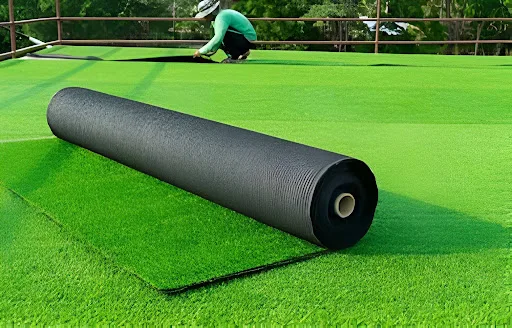
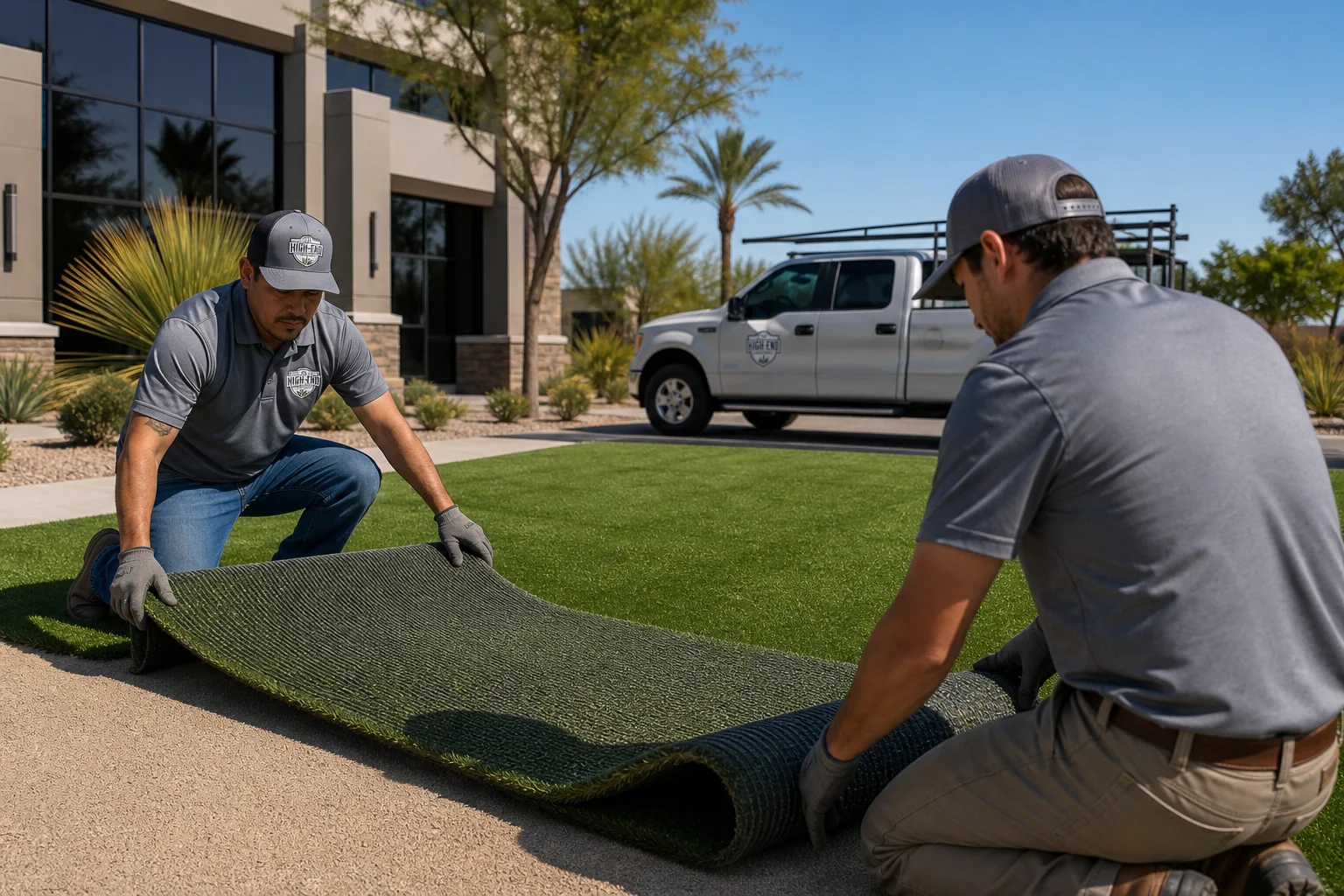
A qualified commercial installer begins with a site assessment covering drainage, subbase condition, grading, and intended use. Installation involves subbase preparation, drainage layer placement, turf laying, infill installation, and multi-sport line marking. Design coordination between all programs using the facility is recommended before finalizing the line configuration to ensure each sport gets a compliant playing surface.
Bring Your Athletic Facilities Up to Competitive Standards
Sports field and multi-use turf for schools, parks and athletic facilities is one of the highest-impact outdoor investments an institution can make, delivering reliable playing surfaces that serve players and communities for over a decade with proper care. To discuss a turf fields project for your school, park, or community, Contact the HEOS AZ team for a full site assessment.