What a Commercial Landscape Maintenance Contract Should Include
A well-structured Commercial Maintenance agreement covers far more than a mowing schedule. What a commercial landscape maintenance contract should include: a defined scope of services, a seasonal maintenance schedule, irrigation system terms, lawn care protocols, tree and plant health specifications, and clear renewal terms. Getting these details in writing protects your commercial property and keeps standards consistent year-round.
By HEOS AZ Team, Outdoor Living Specialists
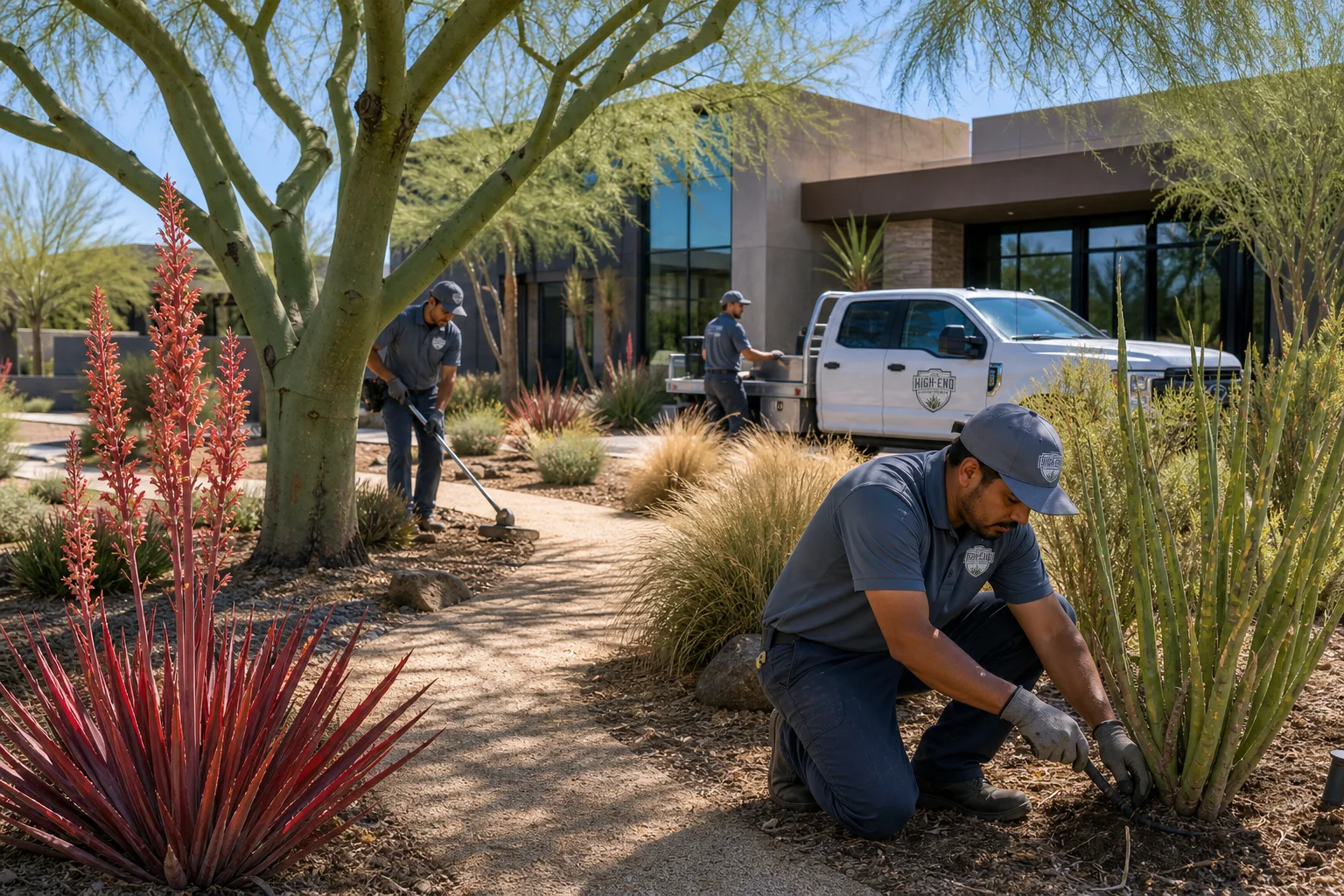
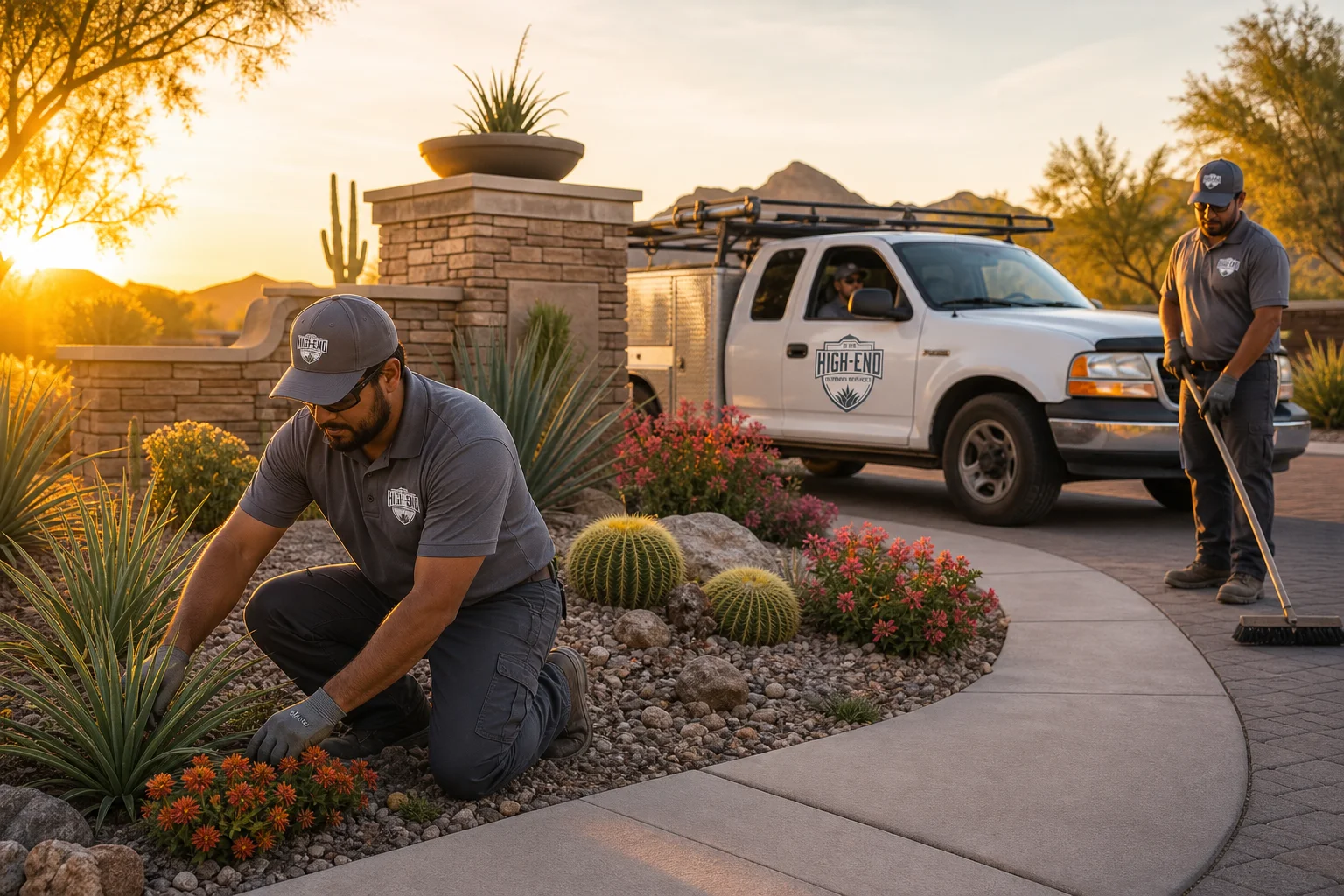
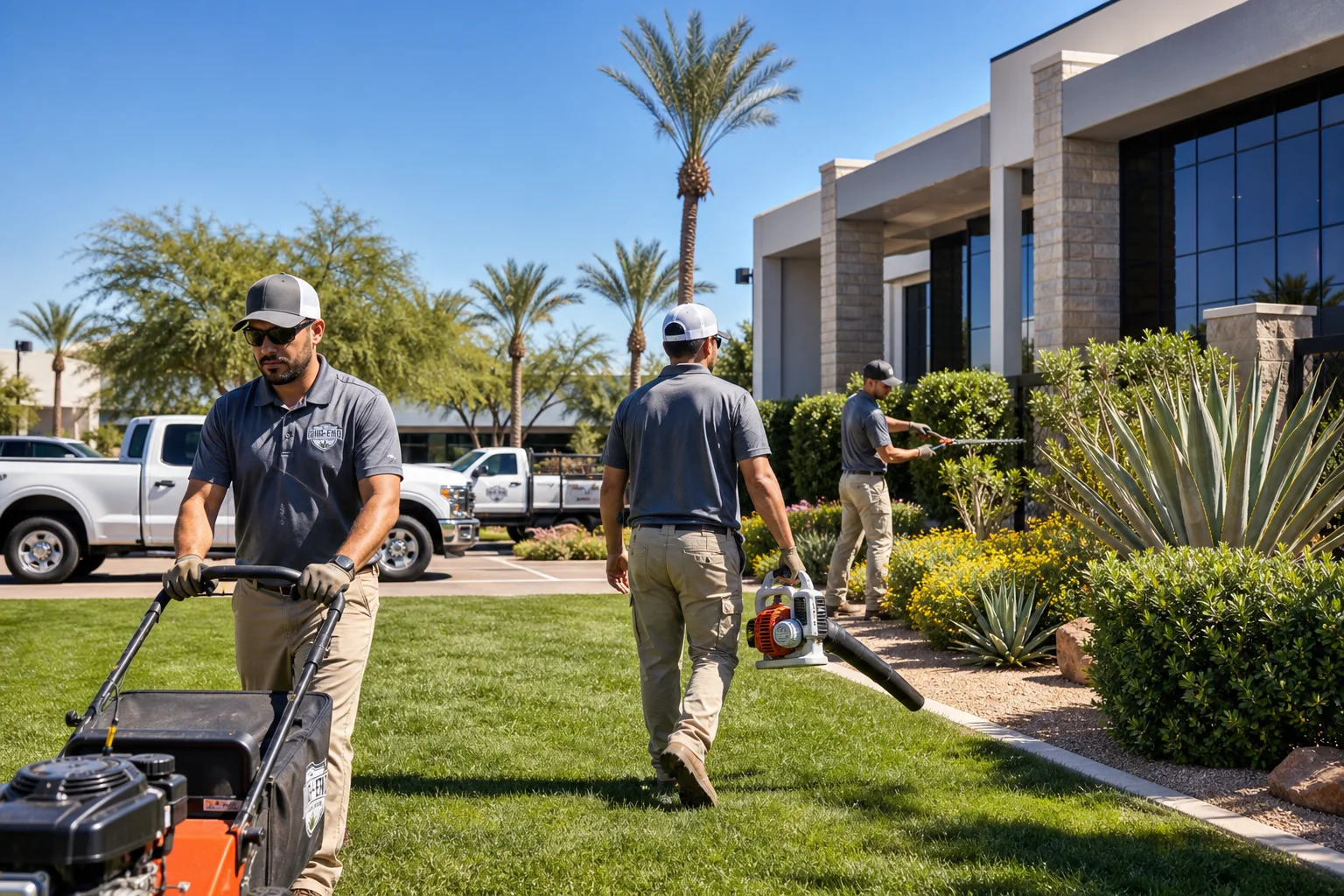
A commercial landscape maintenance agreement builds its value on a specific, itemized list of services included. Vague language like "full-service landscaping" is not sufficient. Every line item should name the task, the frequency, and the applicable quality standard. Common recurring items that belong in any contract include mowing, edging, trimming, blowing, fertilization, weed control, and seasonal color installation.
Property managers responsible for multiple sites benefit most from this level of detail. When the scope is consistent across all locations, holding providers accountable becomes straightforward. For a thorough breakdown of how to structure a formal program, read Implementing Effective Landscape Maintenance Programs for Commercial Properties.
Commercial landscape companies in Arizona typically offer tiered service packages. Before committing to any tier, request a written breakdown of every task covered, including how the provider handles unscheduled needs such as storm debris cleanup or emergency plant replacement.
Lawn Care and Turf Standards for Arizona Commercial Properties
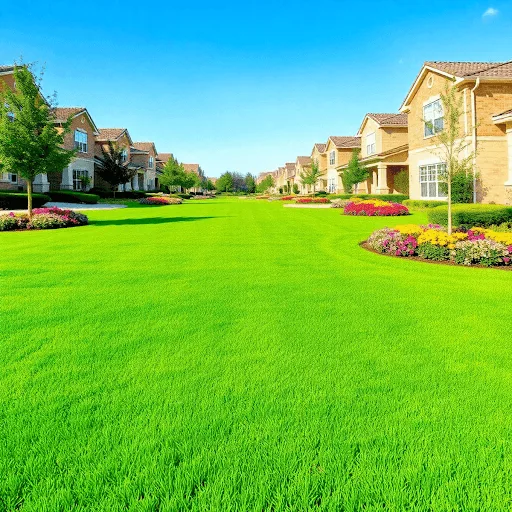
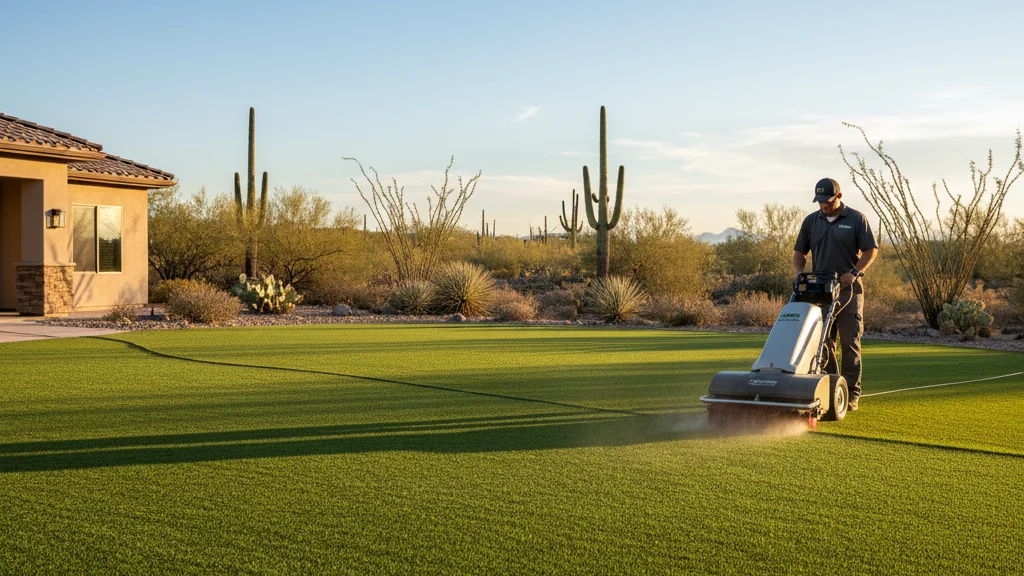
Lawn care in Arizona operates on a distinctly different calendar than most other regions. Warm-season and cool-season grass cycles create two separate maintenance windows each year, and a well-written contract addresses both. Mowing heights, edging standards, and fertilization timelines should be specified for each grass type and each season.
Bermuda grass, which dominates commercial properties through Arizona summers, demands aggressive mowing cadences to maintain a clean, professional appearance. When ryegrass is overseeded in fall, the cutting protocols and fertilization schedules shift considerably. A contract that does not account for these transitions creates gaps that result in patchy turf and missed curb appeal expectations.
A 2019 study published in Urban Forestry and Urban Greening by Lerman et al. found that professionally managed commercial landscapes contribute measurably to reduced urban heat island effects and improved occupant satisfaction around commercial buildings. Property managers can reference this standard when evaluating whether a provider is meeting the performance terms written into the agreement.
Read Local Landscape Maintenance Services That Transform Scottsdale Communities for regional context on how consistent lawn care and landscape maintenance raises the baseline quality of commercial corridors across the Phoenix metro area.
Irrigation System Coverage and Water Management Terms
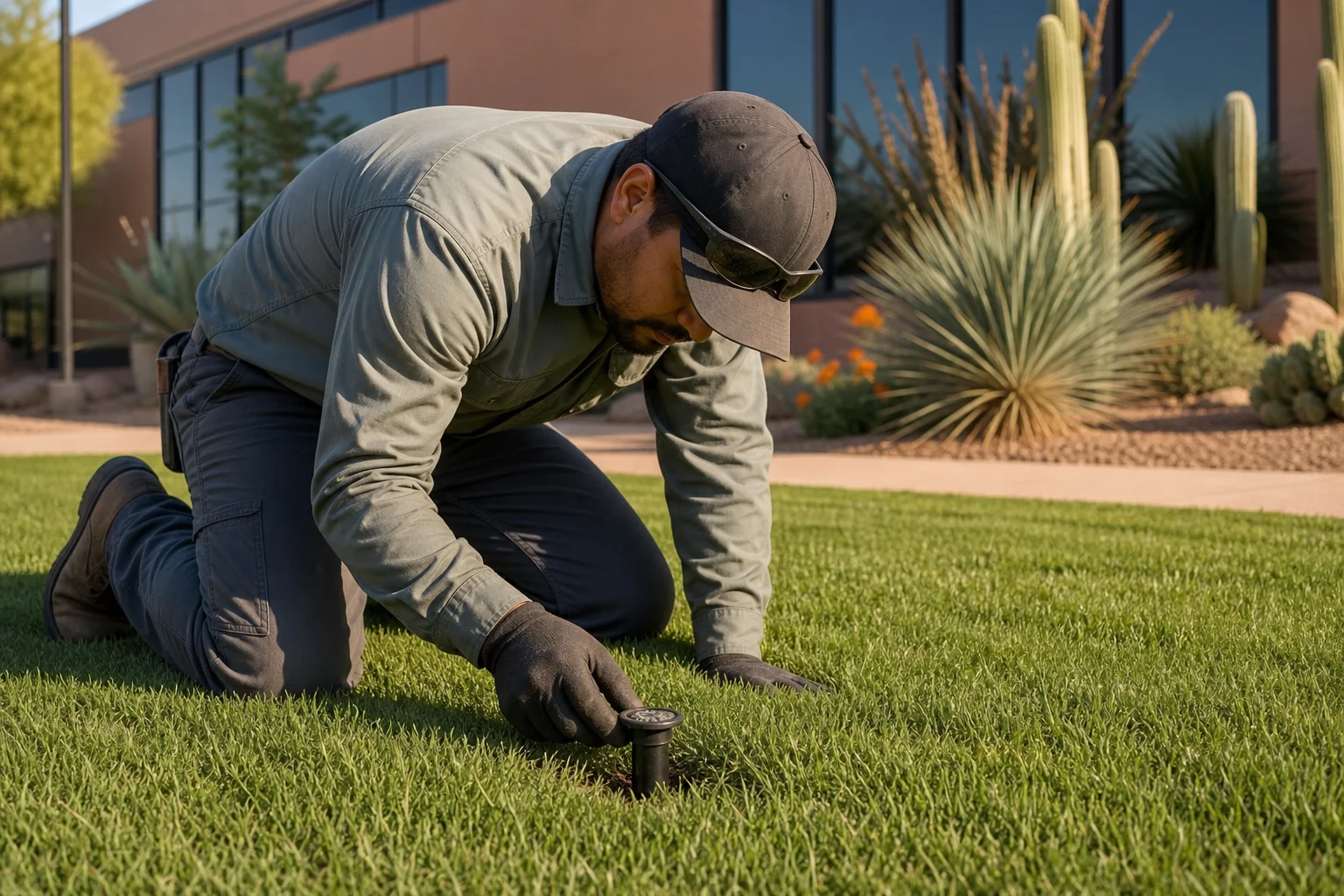
The irrigation system is one of the most critical and most commonly underspecified components in a commercial landscape maintenance contract. In a desert climate, broken heads, stuck valves, and outdated controller programs can destroy turf and plantings in a matter of days.
Your contract should address four core irrigation items. First, define the inspection schedule. Monthly checks are standard for Arizona commercial properties. Second, specify who programs and adjusts the controller for seasonal water budget changes. Third, establish response time windows for irrigation failures, particularly during summer heat. Fourth, clarify whether parts and repair labor are covered under the base contract or billed as separate work orders.
If your provider offers Irrigation Repair services, confirm coverage limits in writing. Some agreements include repairs up to a set threshold and require approval above that amount. Understanding these terms before signing prevents billing disputes when a major irrigation failure occurs mid-season.
Tree, Shrub, and Plant Health Specifications
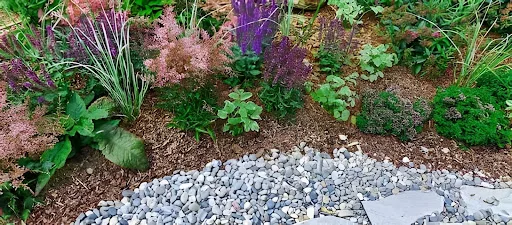
The services landscape for commercial accounts extends well beyond grass maintenance. A complete commercial landscape maintenance agreement should address tree pruning schedules, ornamental shrub shaping, seasonal fertilization for desert-adapted plantings, and integrated pest monitoring protocols.
These services protect long-term investments in plants that take years to mature and replace. Failing to define pruning cycles in a contract often results in overgrown trees that encroach on building facades or parking structures, creating safety and liability concerns for property owners.
For HOA communities and planned residential developments, plant health standards carry additional weight. When a commercial property is part of a master-planned community, plant care protocols often interact with CC&R requirements. Having a landscape company that documents their work within the contract provides an audit trail that HOA boards can rely on during annual property reviews.
Read The Importance Of Community Landscape Maintenance For Enhancing Neighborhood Appeal for detail on how consistent tree and plant care affects property values and resident satisfaction in shared communities.
Contract Length, Renewal Terms, and Written Exclusions
Most commercial landscape maintenance agreements run on annual or multi-year terms. Understanding what a commercial landscape maintenance contract should include in the terms section is just as important as understanding the scope of work. At minimum, the terms section should specify a written cancellation notice window, typically 30 to 90 days, whether pricing is fixed or subject to annual adjustment, and a complete list of services explicitly excluded from the maintenance contract.
Exclusions deserve careful attention. Common items not covered in a standard maintenance contract include large tree removals, major irrigation line replacements, hardscape repairs, and licensed pesticide applications. When a property manager discovers an exclusion after a problem occurs, the resulting cost can be substantial.
For properties working within defined budgets, Affordable Landscaping Services: Quality Solutions for Phoenix Businesses offers guidance on structuring a commercial landscape contract that balances scope and cost without sacrificing curb appeal.
Frequently Asked Questions
What should a commercial landscape maintenance contract include at minimum?
A contract should include an itemized list of services included, service frequency by season, irrigation system inspection and repair terms, lawn care and turf specifications, tree and plant health protocols, and renewal or termination conditions. Any agreement that omits these elements creates risk for both the property owner and the landscape company providing the services.
Does a commercial landscape maintenance contract cover irrigation repairs?
Coverage varies by provider. Some commercial landscape maintenance contracts include routine inspections and minor irrigation system repairs within the base agreement, while others treat repair labor and parts as separate billable work. Confirm coverage limits in writing before signing. Irrigation failures are common in Arizona, and the cost difference between included and excluded repairs can be significant.
How often should commercial landscape maintenance occur?
Most Arizona commercial properties require weekly landscape maintenance during the growing season, typically March through October, and biweekly or monthly service during cooler months. The appropriate frequency depends on turf type, plant density, and site usage. Your contract should define minimum service intervals for each season rather than leaving scheduling to the provider's discretion.
What is typically excluded from a commercial landscape maintenance contract?
Common exclusions include large tree removals, major irrigation line replacements, hardscape repairs, licensed chemical pest treatments, and seasonal decorative installations. These should be listed explicitly in the contract so that unplanned add-on work is priced and approved separately before it begins.
Get a Commercial Landscape Contract That Covers Every Detail
Understanding what a commercial landscape maintenance contract should include is the first step toward a professional, accountable landscaping relationship. When services are clearly defined, schedules are documented, and exclusion terms are stated in writing, property managers spend less time resolving disputes and more time seeing consistent results. Contact our team to discuss what a comprehensive agreement looks like for your specific commercial property.