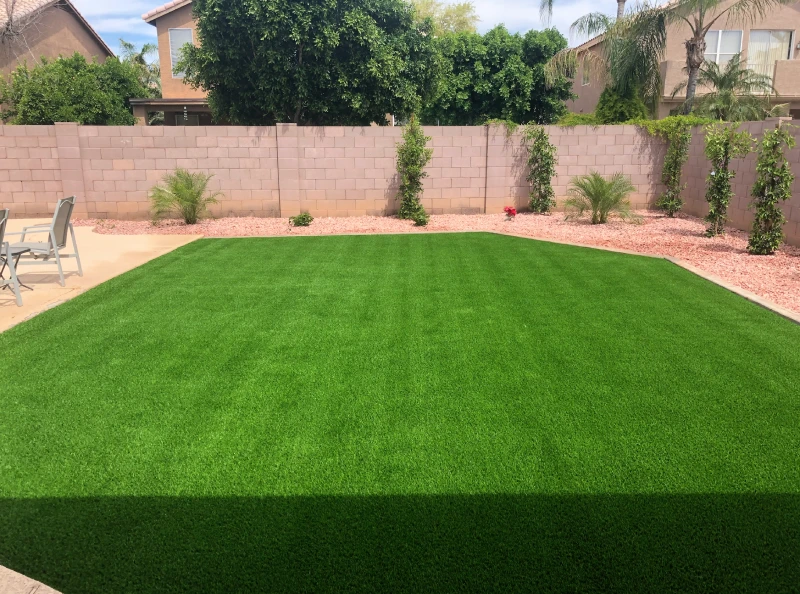
Overseed or Let It Go Dormant: The Winter Turf Decision for Commercial Properties
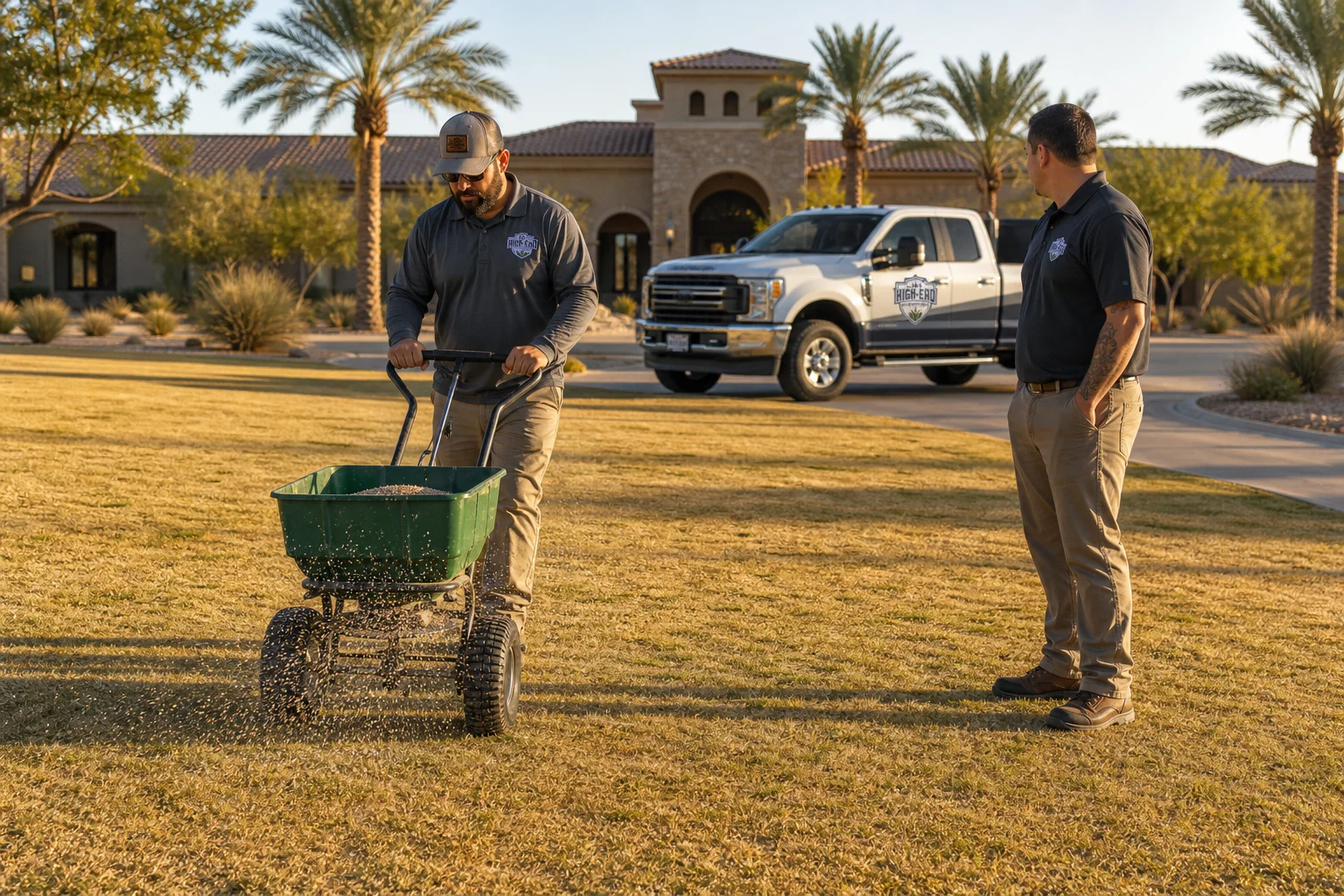
Every Arizona commercial property faces the same fall choice: overseed or let it go dormant. Overseeding covers dormant bermuda grass with green ryegrass through winter, while dormant turf simply pauses and browns until spring. The right call depends on budget, curb appeal needs, and how the property uses its grounds, something our Commercial Maintenance team evaluates property by property.
By HEOS AZ Team, Outdoor Living Specialists
What It Means to Overseed Versus Let Bermuda Grass Go Dormant for Winter
Bermuda grass is the warm season turf found on most Arizona commercial properties, and it naturally goes dormant once nighttime temperatures fall into the 50s, turning from green to a straw gold color for the winter months. Bermuda grass remains the turf that carries a property through summer, when cool season grasses cannot survive Arizona's heat, so any winter overseeding is always a temporary layer on top of that permanent bermuda base.
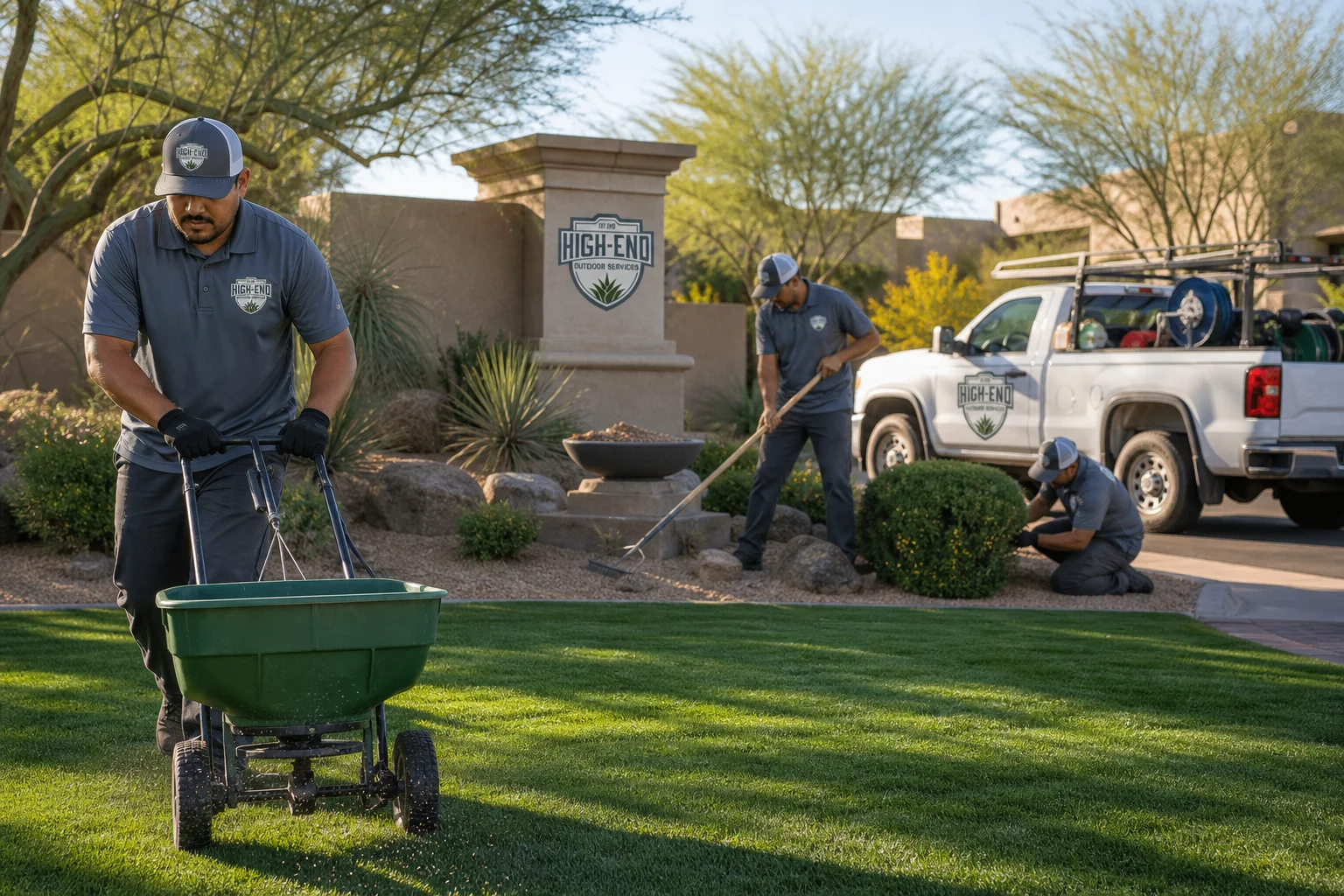
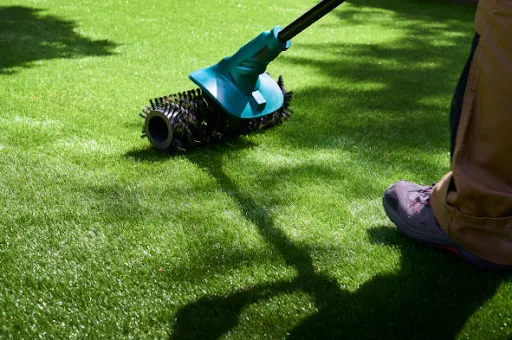
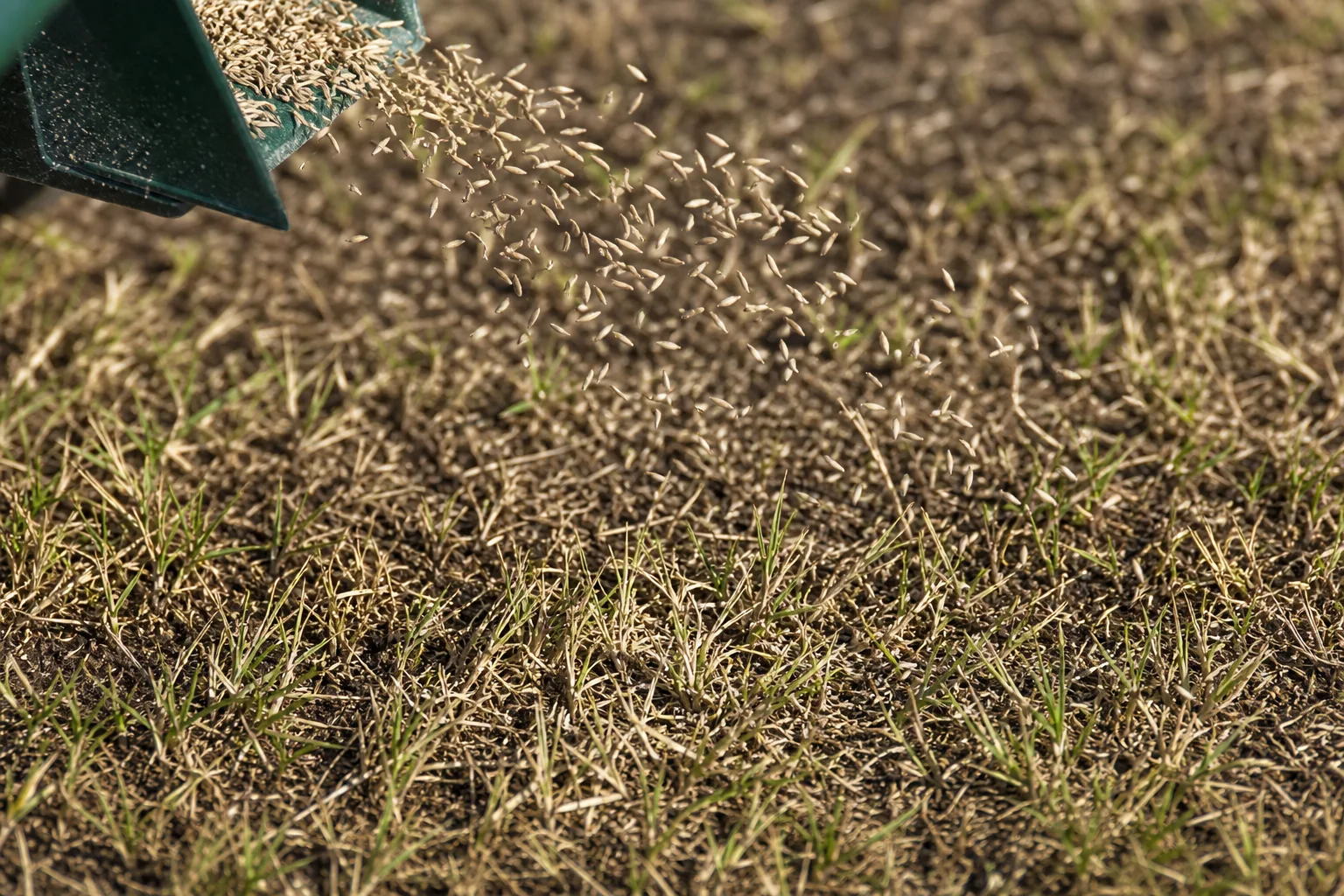
Overseeding interrupts natural dormancy by spreading grass seed, typically perennial ryegrass, directly over the existing bermuda grass before it fully browns out. Crews usually aerate or scalp the turf first so seed reaches the soil, then water it in daily until germination. Property teams sometimes call this dormant seeding, since the new grass seed germinates and greens up while the bermuda grass underneath stays dormant until it wakes up again in late spring. A small number of shaded, high traffic areas sometimes get a tall fescue blend instead of ryegrass for added wear tolerance, though perennial ryegrass remains the standard choice across most Arizona commercial properties.
Cooler climates further north often build their lawn care programs around cool season varieties like Kentucky bluegrass that stay green year round without any seasonal switch. Arizona's mild winters and bermuda grass base make that approach unnecessary here: a property either overseeds with ryegrass for consistent winter green, or accepts several months of dormant, tan colored turf and skips the seeding process entirely.
How to Decide Whether to Overseed or Let It Go Dormant This Year
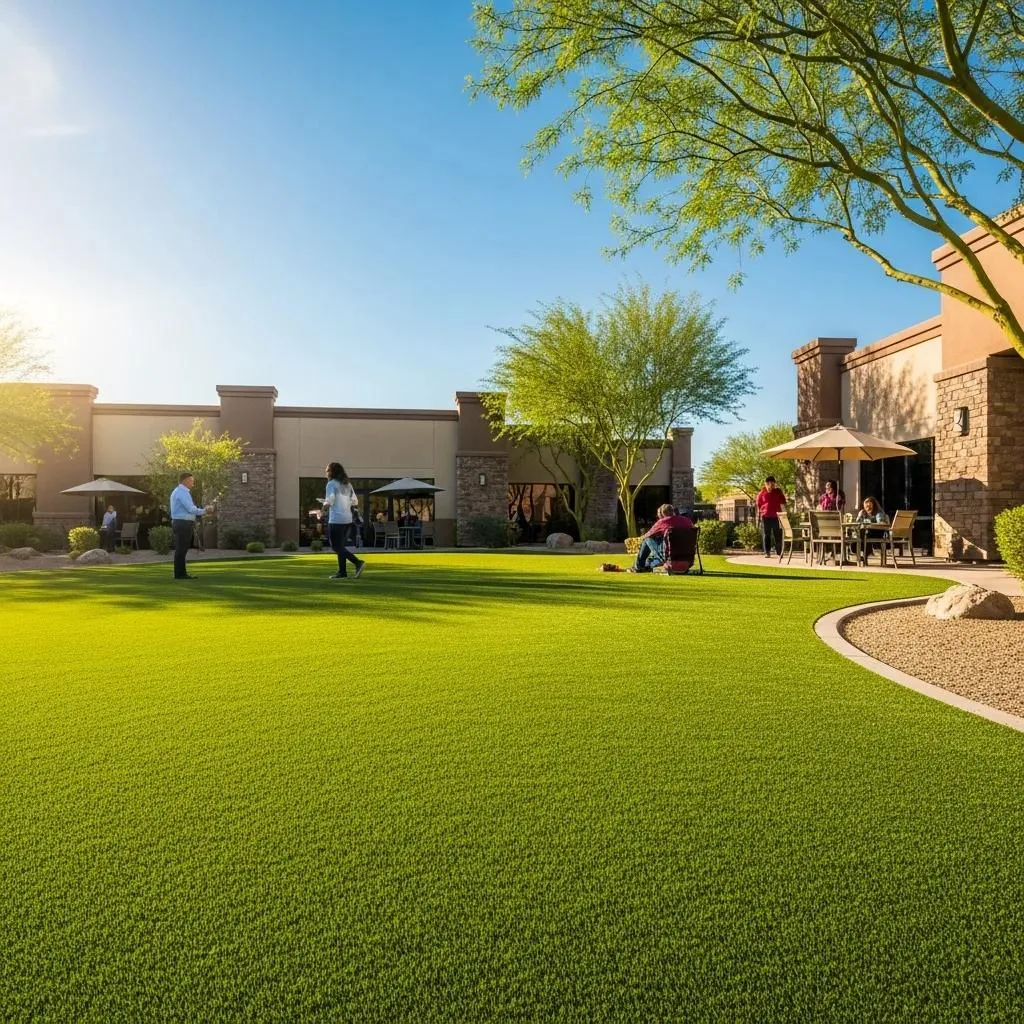
The decision usually comes down to who sees the property and what they expect from it. A retail center, corporate campus, or HOA community with high visibility from the street or clubhouse windows generally needs the green, manicured look overseeding provides through winter. Properties with less foot traffic, back of building areas, or detention basins can often go dormant without complaint, saving on labor and water.
Signs a Property Should Overseed
Frontage that drives leasing decisions, HOA communities with strict appearance standards in their governing documents, and any site hosting winter events or tours are strong candidates for overseeding. So are properties where tenants or residents have raised complaints about dormant turf in past years.
Signs a Property Can Go Dormant
Industrial sites, detention basins, back lot areas, and properties with a tight winter maintenance budget can typically skip overseeding without hurting the property's reputation. Bermuda grass left dormant is healthy, not damaged, so there is no turf risk to accepting the winter color change.
Budget matters too. Overseeding adds a full seasonal service cycle, seed, extra mowing, and adjusted irrigation, on top of standard upkeep. Boards and property managers weighing the tradeoff should loop in their landscape partner early, since HOA Landscaping decisions like this typically get finalized in September before bermuda grass starts slowing down for the season. Ultimately, each property has to choose the option that fits its budget and appearance goals rather than defaulting to whatever a neighboring property does.
How Much Commercial Winter Overseeding Costs in Arizona
Commercial winter overseeding costs vary by square footage, seed density, and how much site prep the existing turf needs before seed goes down. A property with thin, compacted bermuda grass typically needs more labor for aeration and dethatching than a well maintained lawn heading into fall, and that prep work affects the total more than the grass seed itself.
Getting an accurate number requires a site walk rather than a phone estimate, since sun exposure, existing turf health, and irrigation coverage all change how much seed and labor a given property needs. Properties already on a maintenance contract often see overseeding priced as an add on to the existing service scope rather than a standalone project, which can make budgeting simpler for HOA boards approving a fall line item. Multi building campuses and communities with several turf zones sometimes phase overseeding across a few weeks to spread out labor and irrigation demand rather than seeding every area on the same day.
Is Dormant Bermuda Grass Bad for a Commercial Property's Curb Appeal
Dormant bermuda grass is not damaged or dying, it is simply resting, but the straw gold color reads as neglect to some visitors even though the turf is healthy underneath. For office parks, industrial sites, and areas with limited public visibility, dormant turf is usually a reasonable choice that keeps the lawn care budget lean through winter.
Golf courses and clubhouse frontage are a different case. Golf course superintendents overseed fairways, tee boxes, and putting green surrounds almost universally, since members expect a green course through the cooler months and dormant turf changes ball roll and playing conditions. A commercial property with a golf component, or any high visibility frontage that drives leasing and reputation, tends to treat overseeding as closer to a requirement than an optional upgrade. HOA entrances, clubhouse lawns, and pool areas fall into that same category for most communities, even when the rest of the property goes dormant for the season.
When Is the Best Time to Overseed for Winter in the Phoenix Area
Timing drives success more than any other factor in the process. Most Phoenix area properties see the best results seeding lawn areas once nighttime temperatures consistently dip into the mid to upper 50s, typically in mid to late October, when bermuda grass has slowed enough to stop crowding out new seedlings but soil is still warm enough for grass seed to germinate quickly.
Overseed too early, while bermuda grass is still actively growing, and the new seedlings compete for light and get mowed down before they establish. Wait too late into cold weather and germination slows dramatically, leaving thin, patchy coverage that will not fill in before spring green up begins. A short window, generally three to four weeks, tends to separate an early seed date that fights actively growing bermuda from a late fall date where cold soil stalls germination. In most cases, seeding slightly earlier in that window produces better, more even coverage than waiting until the last weeks of fall.
What Ongoing Maintenance Changes Once Turf Is Overseeded Versus Left Dormant
Overseeded turf needs a different maintenance rhythm than dormant turf for the rest of winter. Ryegrass grows actively in cool weather, so mowing continues on a regular schedule, irrigation increases to support active growth, and light fertilization keeps color even through the season. Dormant bermuda grass needs almost none of that: mowing nearly stops, watering drops to the minimum needed to keep roots healthy, and the maintenance budget shrinks accordingly.
This is also where water use becomes a planning factor, not just a cost line. Some Arizona municipalities and the Arizona Municipal Water Users Association place seasonal restrictions on turf watering schedules, and a property overseeding for the first time should confirm its irrigation plan fits current AMWUA guidance before locking in a fall seeding date. Come spring, overseeded properties also need a transition plan: mowing height typically drops to help the ryegrass thin out and let bermuda grass reclaim the lawn as temperatures climb again.
Frequently Asked Questions
Will dormant bermuda grass come back on its own in spring? Yes, healthy bermuda grass that goes dormant for winter typically returns on its own once soil temperatures warm in spring, usually greening back up through April as it comes out of dormancy naturally. Dormancy does not damage the turf, it is bermuda grass's normal seasonal response to cold, and no reseeding is needed for the bermuda grass itself to recover.
How long does overseeded ryegrass last before it dies out? Overseeded ryegrass typically thins and dies back on its own as temperatures climb in late spring, usually by late April or May in the Phoenix area, once soil warms enough for bermuda grass to reactivate and outcompete it. Properties do not need to remove the ryegrass, since the transition back to bermuda grass generally happens naturally as part of the seasonal cycle.
Does overseeding increase water and mowing costs for a commercial property? Yes, overseeded turf generally costs more to maintain through winter than dormant turf, since ryegrass needs regular mowing and more frequent irrigation to stay green and healthy. Properties should budget for that increase as part of the overseeding decision, and should confirm any irrigation changes fit local water use rules before the season starts.
Can a property skip overseeding one year and resume the next without damaging the turf? Yes, skipping overseeding for a season does not harm bermuda grass. The turf simply goes dormant for winter as it naturally would, and a property can resume overseeding the following fall without any lasting effect on turf health. This makes overseeding a year to year budget decision rather than a maintenance requirement tied to turf survival.
Get a Winter Turf Plan for Your Property
Whether the right call is overseed or let it go dormant, the decision works best when it is made before bermuda grass starts slowing down for the season. Contact our team for a site walk and a fall turf plan built around your property's budget and appearance goals.