Turf vs Live Sod for Commercial Properties: Total Cost of Ownership
Comparing commercial turf vs sod starts with a simple trade: artificial turf costs more to install but nearly eliminates water and mowing bills afterward, while live sod costs less upfront and carries recurring water and labor costs for as long as you own the property. Our team handles both through Turf Installation for properties weighing the switch.
By HEOS AZ Team, Outdoor Living Specialists
What's the Difference Between Artificial Turf and Live Sod for Commercial Properties?
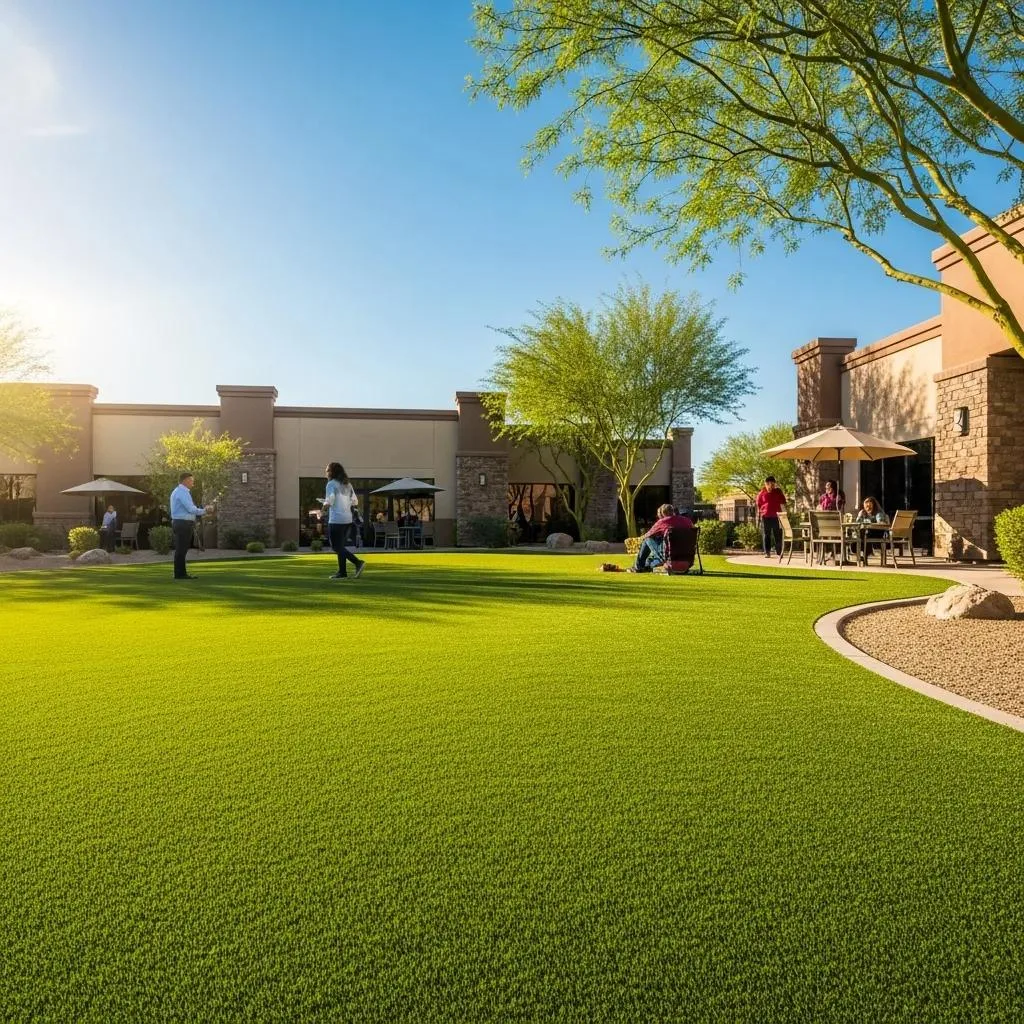
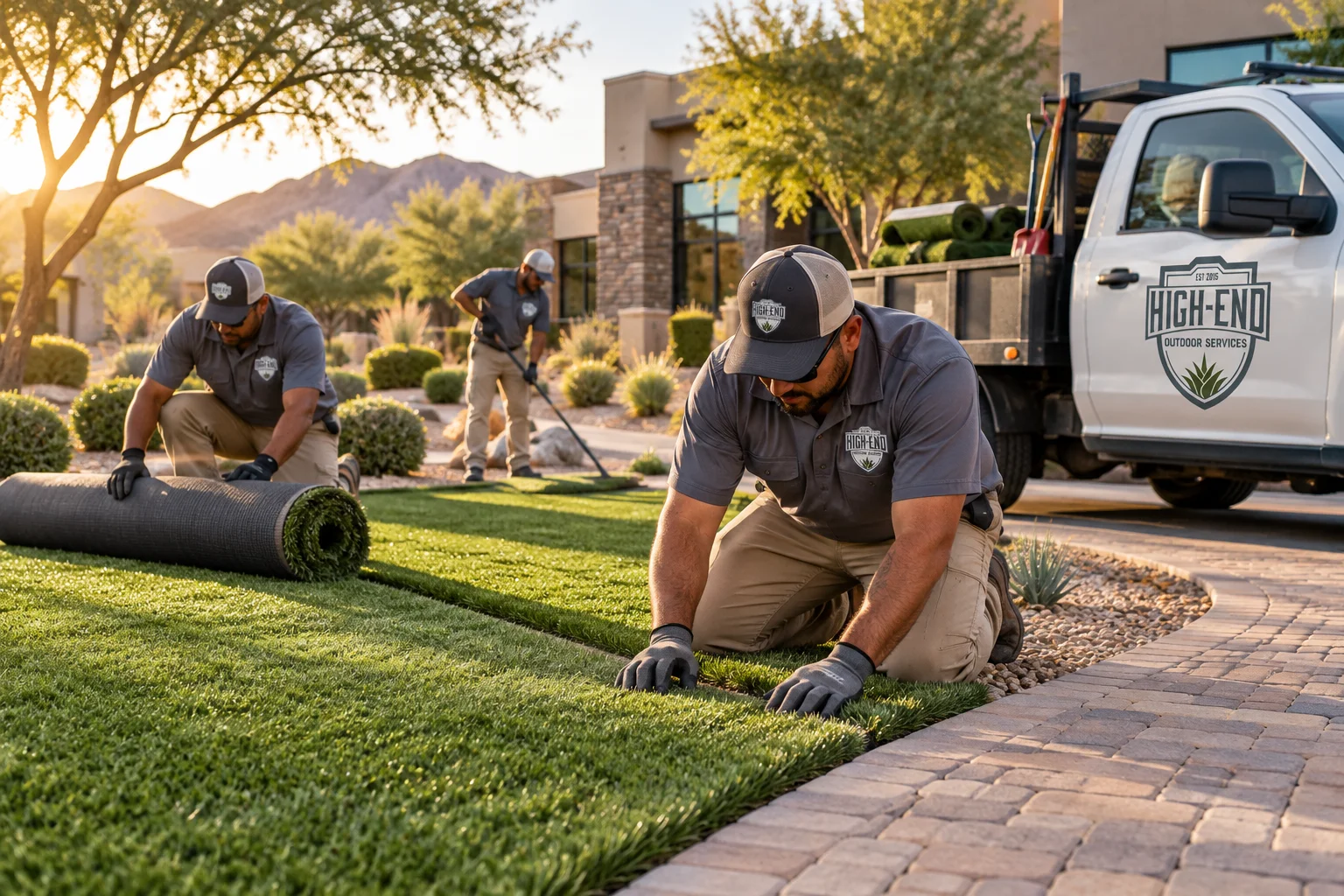
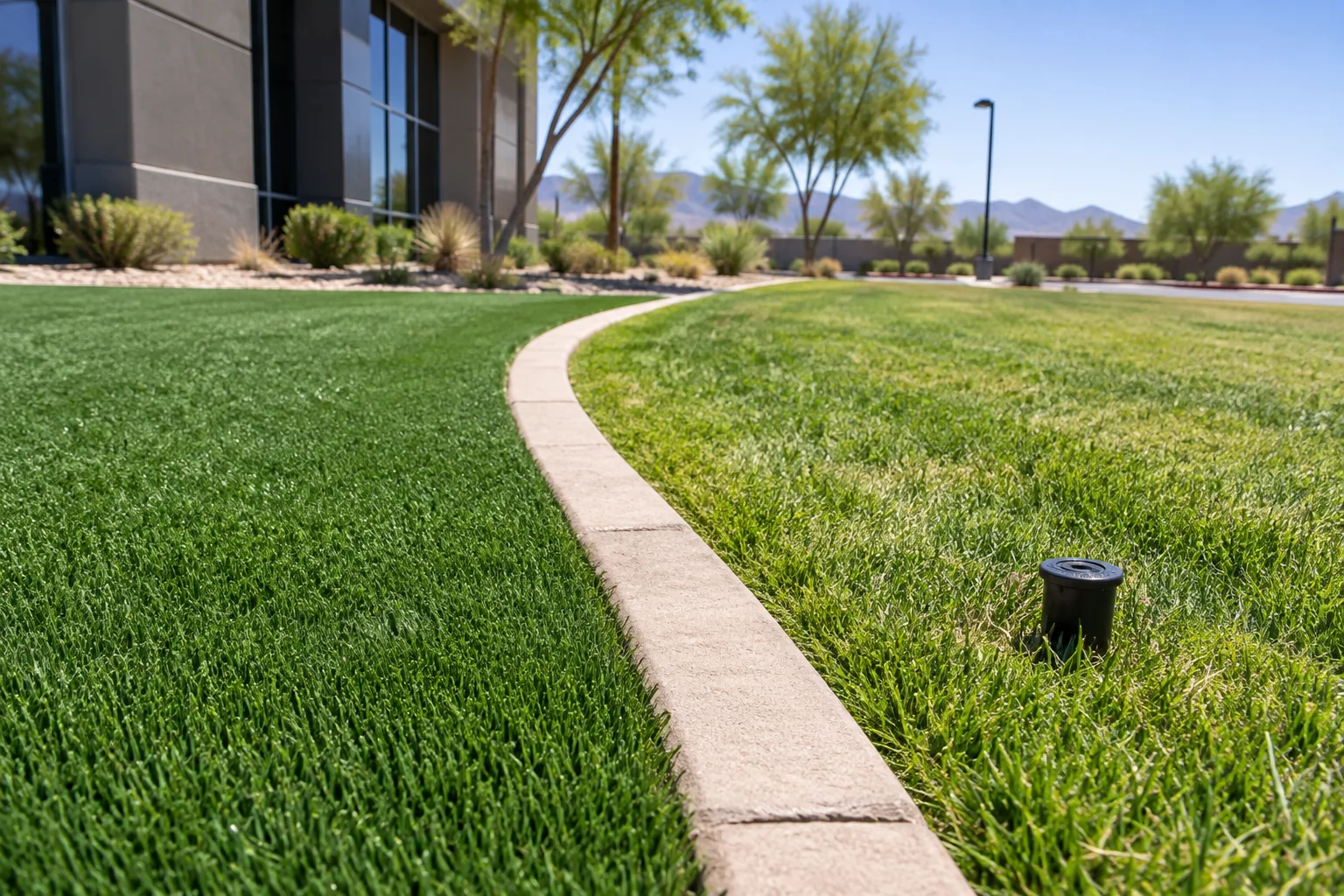
Live sod is natural grass grown at a farm, cut into rolls, and installed directly into prepared soil, where it roots and behaves like any other lawn. Artificial turf, also called artificial grass, is a manufactured surface: synthetic grass blades tufted into a permeable backing, filled with an infill material, and anchored over a compacted base instead of soil. Natural grass needs sunlight, irrigation, and a growing season to stay green; synthetic turf holds a consistent color and even surface regardless of foot traffic, shade, or Arizona's summer heat. For HOA common areas, hospital campuses, and corporate grounds, that consistency is often the bigger draw than the material itself: a synthetic surface looks the same in July as it does in January, which matters for curb appeal on a property that gets judged year round.
Installation Cost Structure: What Drives the Price of Turf vs Sod Per Square Foot
Installation costs for commercial turf vs sod don't reduce to a single per-square-foot number, because the line items behind each bid are different. Live sod pricing is built from soil prep and grading, the sod itself, delivery, and an initial heavy watering cycle to help it root. Artificial turf pricing is built from site excavation, a compacted aggregate base, the turf product itself, seaming and infill, plus any drainage work the base requires. That's why artificial turf almost always carries a higher installation cost than sod per square foot: it's a built surface with more layers, not a grown one.
What moves the number up or down is largely the same on both sides: the condition of the existing grade, how much old material has to come out first, the complexity of the shape, and whether irrigation lines need to be capped or rerouted. On the turf side, product specification adds another variable. Pile height and face weight chosen for a low-traffic courtyard versus a high-traffic walkway change the material cost per roll, and a heavier, denser product built for sports or athletic use costs more than a standard landscape-grade turf.
Ongoing Maintenance and Water Costs: Turf vs Sod for a Business
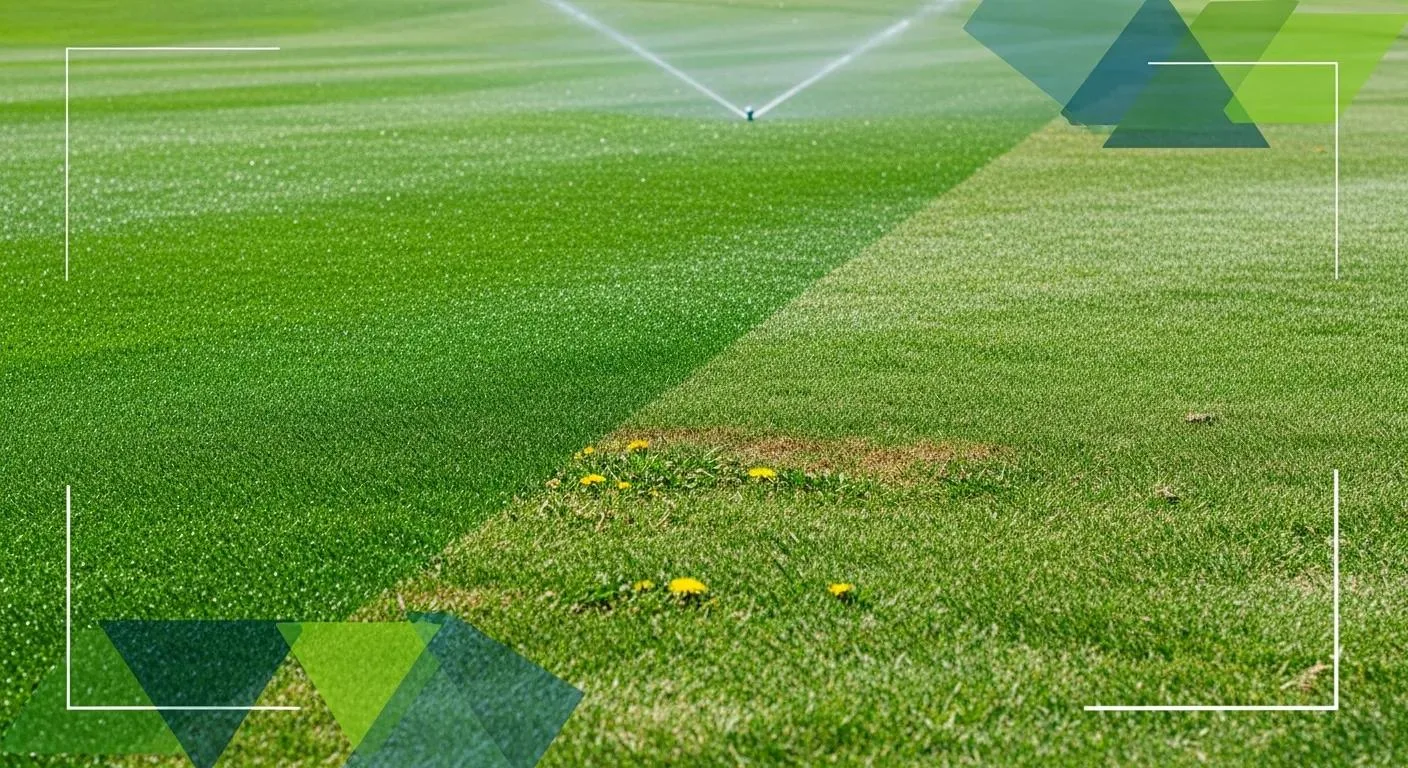
Once the crews leave, the cost story shifts toward sod. Live grass needs regular mowing, edging, fertilization, pest and weed treatment, and aeration on a schedule that never really stops, plus overseeding each fall in Arizona to hold a green color through winter. It also needs consistent watering, which for Commercial Maintenance accounts is usually the single largest recurring line item on a property with sizable lawn areas. Artificial turf swaps nearly all of that for occasional rinsing, periodic brushing to keep infill and blades upright, and an infill top-up every few years, with no mowing, fertilizer, or pest control.
That gap in labor and watering is where artificial turf starts closing the installation cost difference. A property with several irrigated lawn areas and a crew mowing weekly is paying for both every week of the year, while a turf surface converts most of that recurring bill into a smaller, predictable maintenance routine.
Lifespan and Replacement Cycles: How Long Commercial Turf Lasts Compared to Sod
Commercial-grade artificial turf is typically built to hold up for fifteen to twenty years with proper care, backed by manufacturer warranties in that range. Its wear pattern is gradual and cosmetic: infill compaction, some fiber matting along the highest-traffic paths, and eventual fading from UV exposure, none of which happens overnight.
Live sod doesn't fail the same way; it wears continuously and needs ongoing renewal instead of a single replacement date. Bare or thinning patches from heavy foot traffic, drought stress, or pest damage need to be re-sodded as they show up, and many Arizona properties overseed annually just to keep a consistent appearance through the cooler months. Sections of live turf often need partial re-sodding well before an artificial installation would be due for replacement, a cost turf simply doesn't carry once it's down.
Total Cost of Ownership Over 10 Years for Commercial Turf vs Sod
Total cost of ownership adds the installation cost to every recurring cost over the years the surface stays in place: water, mowing and maintenance labor, fertilizer and pest treatments, and periodic renovation or replacement. Sod's bill is lighter to start but compounds every year with water and labor that turf mostly eliminates. Turf's bill is heavier at installation and then drops to a small, flat maintenance cost for the rest of its life.
That structure is why artificial turf tends to close the installation cost gap and pass sod in total cost of ownership within a handful of years on most commercial properties, and the timeline moves faster wherever water rates or labor costs run higher, which describes most of the Phoenix metro.
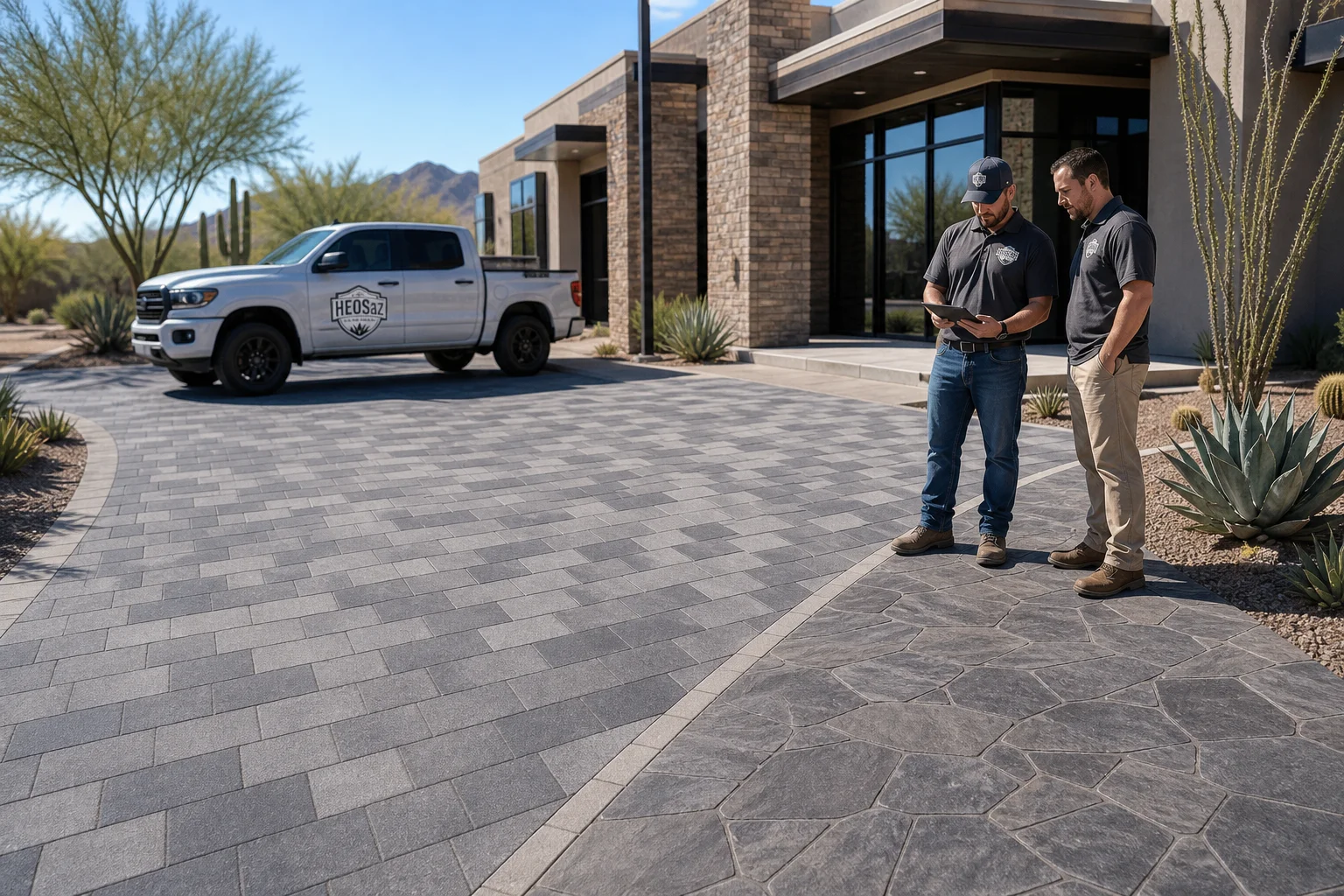
Because every property's traffic patterns, shade coverage, and existing irrigation setup shift exactly where that crossover lands, the most reliable next step is a property walkthrough that maps custom turf specifications to your square footage and current water use, with a written breakdown you can compare against what sod is currently costing you.
Which Is Better for a Commercial Property, Artificial Turf or Live Sod?
Choosing between artificial turf vs sod for a commercial property depends on what the lawn area needs to do. Live sod is the right call where a natural growing surface matters for its own sake, drainage and soil conditions are ideal, and the ongoing water and labor budget is not a constraint. Artificial turf tends to win where consistent appearance matters more than a natural surface, where heavy foot traffic wears grass out faster than it can recover, or where water restrictions and rising utility rates make a large irrigated lawn a genuine budget risk.
For Arizona businesses specifically, the calculation tilts further toward turf. High summer heat stresses natural grass hard enough that many properties already spend extra on overseeding, replacement sod, and supplemental irrigation just to keep lawns presentable, on top of water costs well above the national average. That's why HOA boards, hospital campuses, and corporate properties across the Valley increasingly treat artificial turf as the lower-maintenance, lower-water default rather than a niche alternative.
Frequently Asked Questions
Does artificial turf increase curb appeal on a commercial property? Yes. Artificial turf holds a consistent green color year round, without the bare patches or seasonal dormancy natural grass shows in Arizona's climate. For HOA entrances, hospital grounds, and corporate campuses, that steady appearance is often the visible difference between a property that looks maintained and one that looks tired.
How much maintenance does synthetic grass need compared to a natural lawn? Synthetic grass needs occasional rinsing, periodic brushing to keep the blades upright, and an infill top-up every few years. It never needs mowing, fertilizer, or the regular watering a natural lawn requires to stay green, which instead needs a weekly mowing cycle plus fertilization, aeration, and pest treatment.
Does artificial turf work well in Arizona's extreme summer heat? Modern commercial turf uses heat-resistant fibers and infill options that reduce surface temperature compared to older products. It won't go dormant or brown out the way natural grass does under prolonged heat and drought stress, though a rinse-down on the hottest days keeps the surface comfortable underfoot.
Get a Turf vs Sod Cost Breakdown for Your Property
A property-specific comparison, covering installation line items, projected water and labor costs, and where the ten-year breakeven actually falls for your square footage, is the clearest way to decide between commercial turf vs sod. Contact our team to schedule a walkthrough and get that breakdown in writing.