Phasing a Common Area Landscape Renovation Across Three Budget Years
Renovating an entire common area in one season can drain HOA reserves and disrupt residents for months at once. Phasing a common area landscape renovation across three budget years spreads the investment, limits disruption, and gives boards predictable numbers for HOA Landscaping planning. Here's how associations sequence the work and keep every phase on schedule.
By HEOS AZ Team, Outdoor Living Specialists
How Phasing a Common Area Landscape Renovation Across Three Budget Years Protects Your Reserve Fund
A common area landscape renovation touches irrigation, hardscape, turf, and planting all at once, and paying for it in a single budget year usually forces a special assessment or a reserve fund that can't absorb anything else that year. Phasing a common area landscape renovation across three budget years lets an HOA or community association spread landscape construction costs over multiple annual budgets instead of one, so the reserve study stays intact and dues don't spike. A homeowner's yard renovation might happen in one weekend, but a common area renovation multiplies that scope across acres of shared property, which is why spreading it out protects both the reserve fund and home values.
Each phase also gives the board a checkpoint: year one's results, and lessons learned about soil conditions or irrigation coverage, inform how year two and year three are scoped. A property that renovates everything at once loses that feedback loop. For most communities, three budget years completes a full common area renovation without asking homeowners for money outside regular dues.
Deciding Which Areas Get Renovated in Year One, Two, and Three
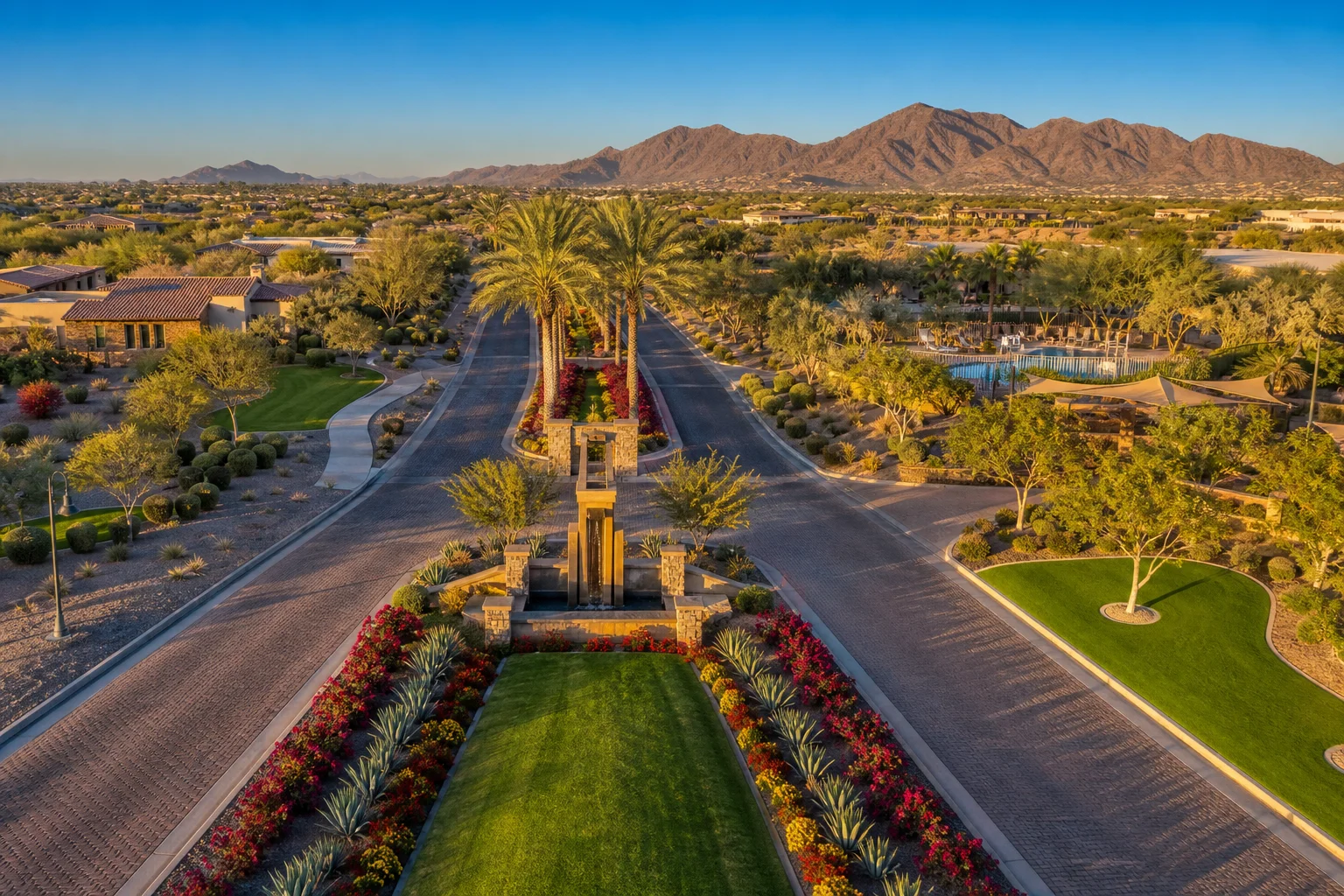
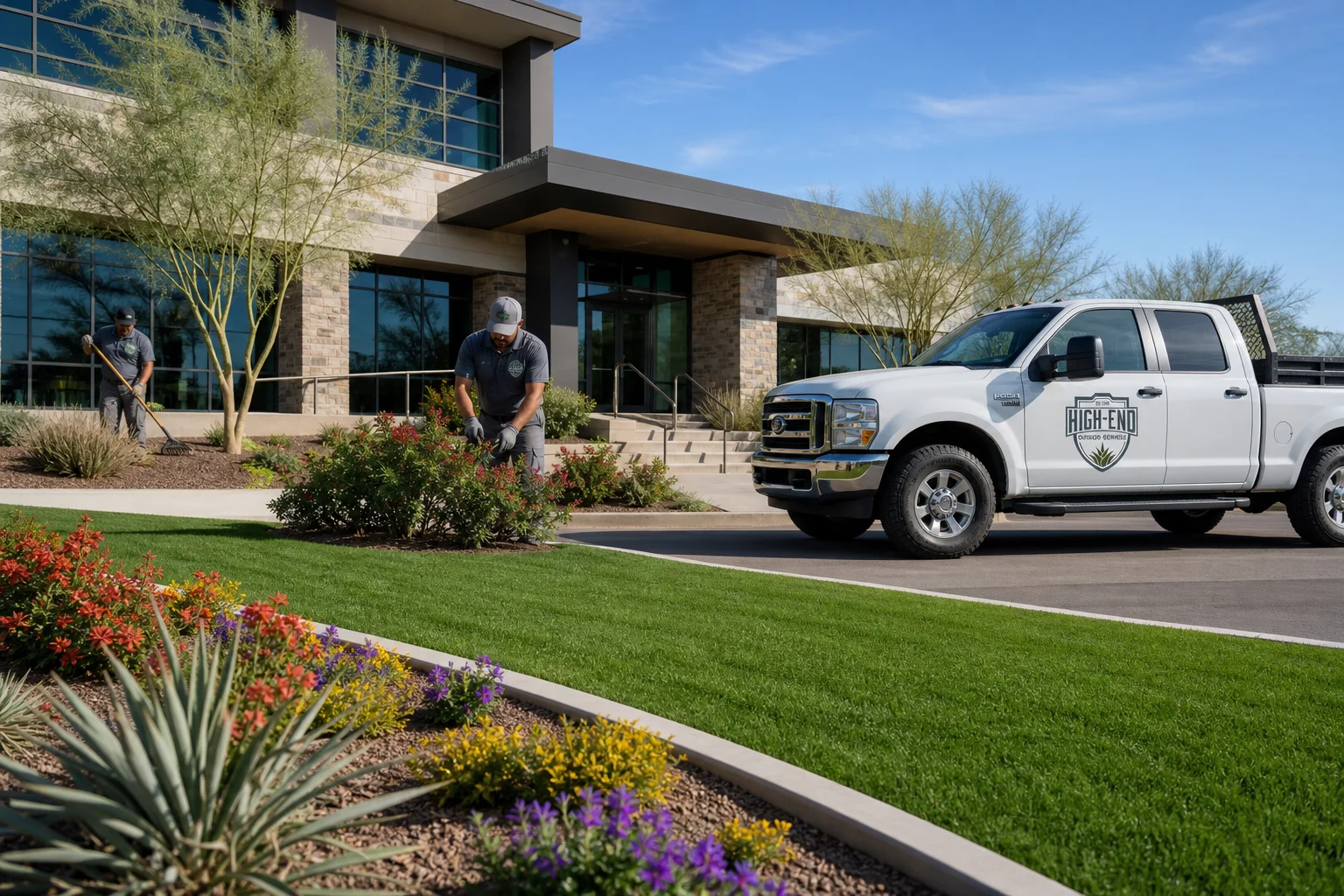
The first phase should target the areas residents see and use most: entries, main clubhouse frontage, and the common areas along primary traffic routes. These carry the most weight for curb appeal and are often where drainage problems are most visible, so fixing them first protects the rest of the property while the plan is still being built out.
Year two typically moves to secondary common areas, retention basins, and any hardscape that connects to phase one. Year three finishes structural elements like retaining walls, remaining turf areas, and finish landscaping in lower-traffic zones. Larger master-planned communities with multiple common areas often need more HOA common area coordination between phases than a single small property, since drainage, irrigation mainlines, and turf grading in one area affect the next. A board deciding phase order benefits from a professional site walk that maps soil conditions, drainage, and material condition before committing to a budget sequence.
How Much Should Each Year's Phase Cost in an HOA or Community Association Budget
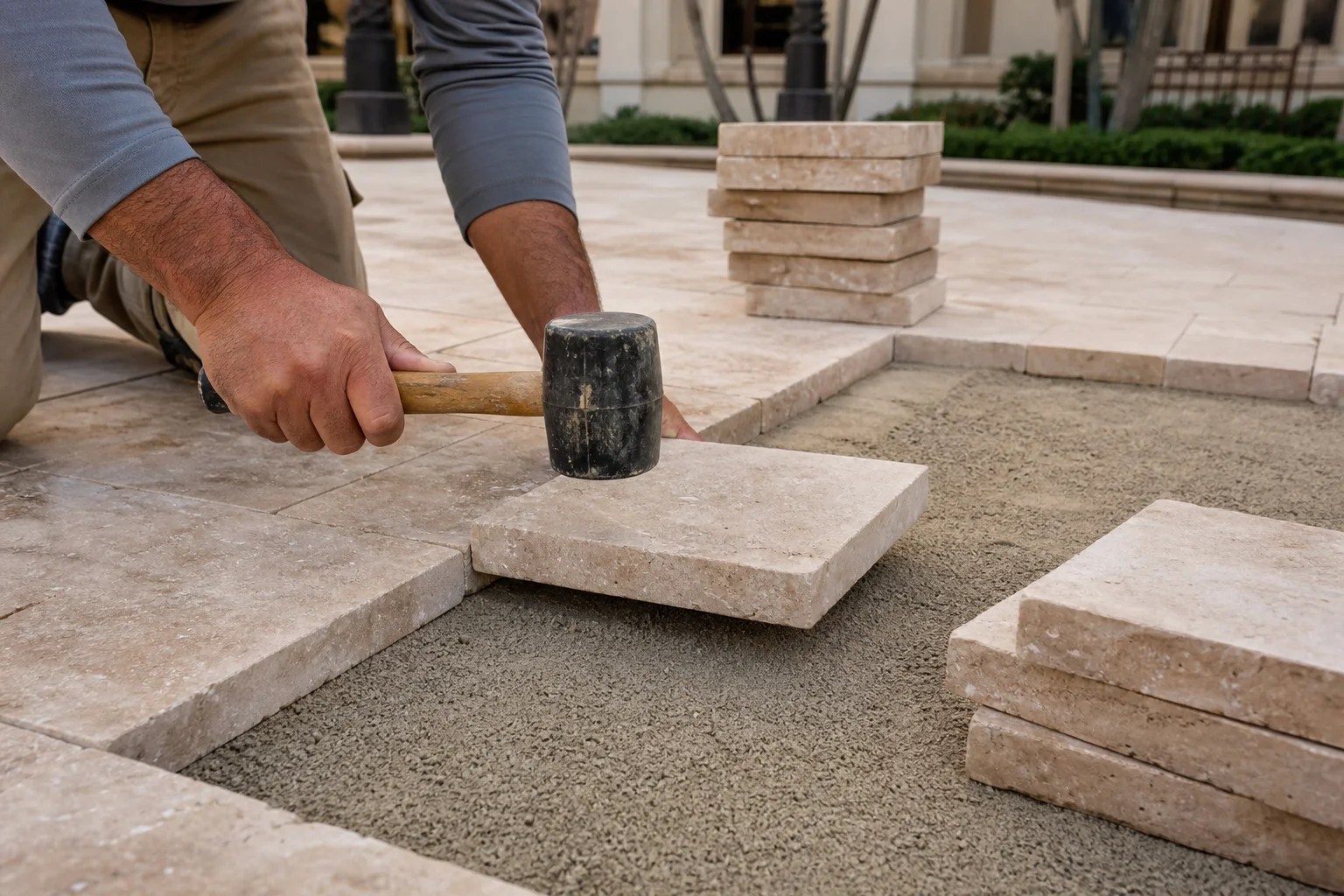
There's no single number that applies to every property, but the structure behind each phase's cost is consistent. The major line items are site preparation and demolition, irrigation repair or replacement, drainage work, hardscape, including paver flooring, retaining walls, or concrete, planting and sod, and finish materials like mulch or decorative rock.
Site preparation and drainage usually move the total the most: a property with poor soil conditions or undersized drainage lines costs meaningfully more per square foot, since that work has to happen before anything above ground gets installed. Material selection is the second biggest lever: premium hardscape and mature plant material can run several times the cost of standard turf and younger plantings for the same square footage.
Design fees, permitting, and county inspection costs are usually billed separately from construction, while mobilization and equipment costs are bundled into the phase price. The most common surprise for boards is discovering drainage problems once site work starts, since those are hard to assess until the ground is open.
Before budgeting a phase, ask your landscape contractor for a written breakdown by line item, what triggers a change order, and whether the estimate assumes current soil conditions or includes an allowance for unknowns. Share the reserve study numbers and the county's permitting timeline with the contractor early, since both affect how a phase gets priced and scheduled. The clearest way to get an accurate number is a site walk and a written quote rather than a rule of thumb.
Getting Board and Homeowner Approval for a Multi-Year Landscape Renovation Plan
An HOA landscape renovation plan needs sign-off twice: once from the board when the multi-year budget and phase order are approved, and again informally from homeowners who will see construction each year. Boards typically review a full renovation plan and budget from their landscape contractor before voting, often alongside a board decision-making guide that lays out what to check in a proposal, contract, and warranty.
Once the board approves the overall plan, most governing documents only require a vote on each year's specific budget line, not a fresh approval of the whole three-year plan. Communicating the plan to homeowners before phase one starts also reduces complaints once equipment shows up. A short notice explaining what's happening and how long it will take heads off most of the pushback boards get partway through a renovation.
Sequencing Renovation Phases to Minimize Disruption to Residents and Traffic
Phase order should follow traffic patterns, not just curb appeal. Crews need a staging area, equipment access, and room to store material without blocking resident parking or emergency access, so the sequence usually starts with areas that have the most room to work and saves tighter courtyards or entries for later phases, once the crew already knows the property.
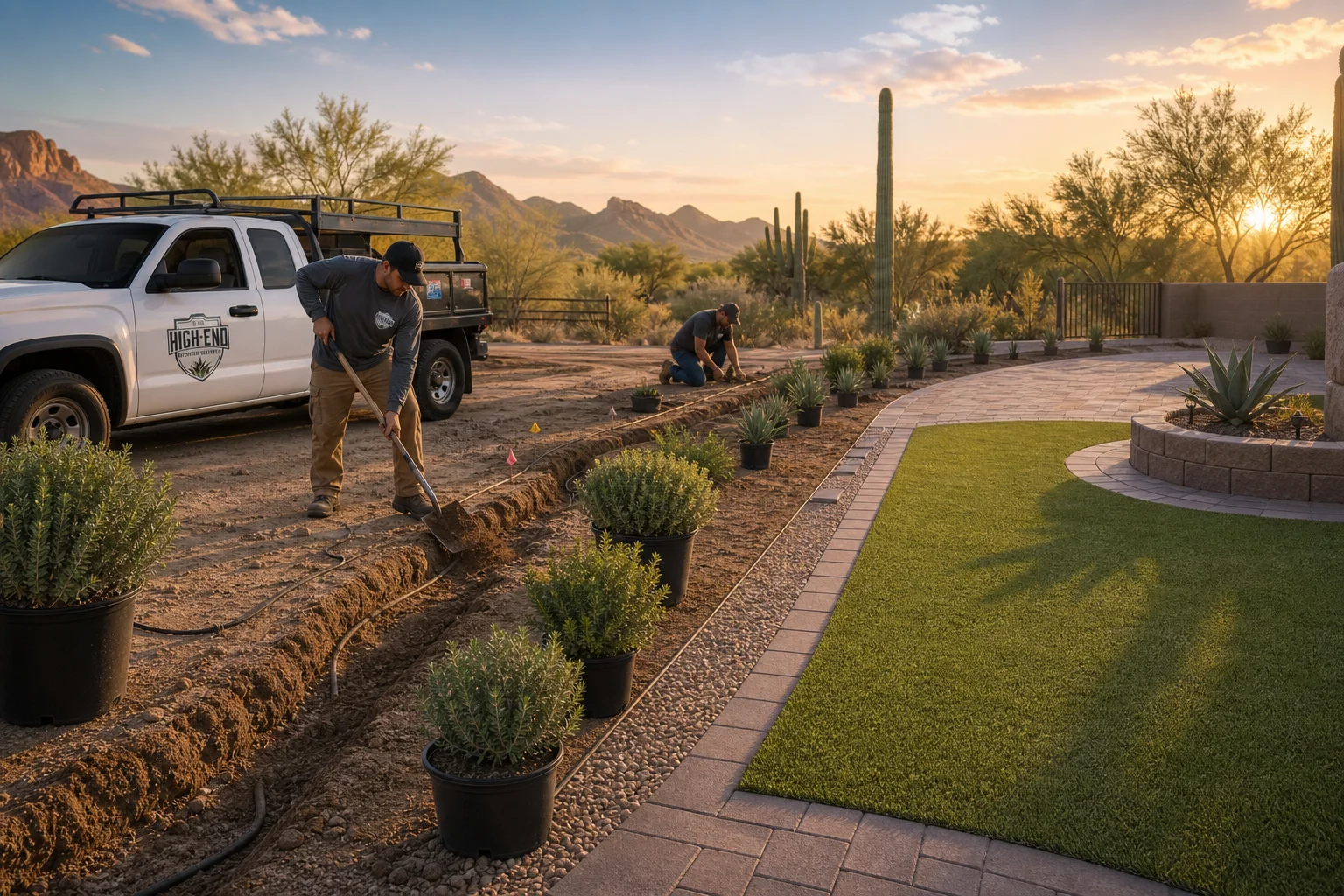
Scheduling construction for cooler months, when irrigation systems need less daily attention, also shortens how long a phase stays disruptive. Within a phase, drainage and irrigation work happens first since it's underground, followed by hardscape, then planting and sod last so new material isn't damaged by equipment moving through afterward. A detailed phase schedule, including which days heavy equipment will be on site, helps property managers plan deliveries and resident notices instead of reacting to the work.
Funding a Phased Landscape Renovation Without a Special Assessment
Most associations fund a phased common area renovation out of the reserve fund's landscape line item, supplemented by a modest planned increase to reserve contributions rather than a one-time special assessment. Spreading the renovation across three budget years is what makes this possible: each year's phase is sized to what the reserve fund can absorb alongside its other obligations, like paving, roofing, or pool equipment.
Some communities build a small annual increase into dues before the renovation starts, so the reserve has a cushion before phase one. A board can also ask the landscape contractor to price phases as separate contracts rather than one large multi-year agreement, which keeps each year's commitment easier to fund and adjust if reserve balances shift. Getting rough quotes for phase two and phase three early lets the board plan reserve contributions two years out.
Who Is Responsible for Creating the Phasing and Budget Plan for a Common Area Renovation
The phasing and budget plan is usually built jointly by the board or property manager and the landscape contractor doing the work. The contractor typically leads the technical side: a property assessment covering soil conditions, drainage, existing plant material, and hardscape condition, paired with a Landscape Design plan for the finished common areas and a phase-by-phase construction schedule.
The board or property manager owns the budget side: confirming what the reserve fund can support each year and communicating the plan to homeowners. Larger associations sometimes bring in a reserve study consultant to confirm the multi-year budget lines up with other planned capital projects. Whoever leads it, the plan should exist as one written document covering all three years, so phase two and phase three build on what phase one actually revealed about the site.
Frequently Asked Questions
What happens if a phase runs over budget or falls behind schedule? Most landscape contracts include a change-order process for unexpected issues like poor soil conditions or drainage problems discovered once construction starts. If a phase runs over, the usual fix is trimming scope, such as reducing material upgrades, rather than pulling from next year's budget; a realistic schedule also builds in buffer weeks for weather and delivery delays.
How long does a three-year phased landscape renovation typically take from start to finish? Each phase usually takes several weeks to a few months of active construction, scheduled once a year around the budget cycle. Across three budget years, most common area renovations run close to three years from the first phase's groundbreaking to the third phase's completion, depending on property size and how much site work each phase requires.
Can a phased landscape renovation plan be changed after the board approves it? Yes. A multi-year plan is a working document, not a fixed contract. Boards commonly adjust phase two or phase three based on what phase one revealed about soil conditions, material costs, or resident feedback, and most contractors build the plan to be updated annually rather than locked in from year one.
Does phasing a landscape renovation end up costing more than doing it all in one year? Phasing can carry a modest premium for mobilizing a crew multiple times, but it usually costs less overall than a single-year renovation funded by a special assessment, since it avoids financing costs and lets the association budget from existing reserve contributions. For most communities, the disruption and cash-flow benefits outweigh that small efficiency loss.
What's the difference between a phased renovation and a full renovation done in a single season? A full renovation replaces every common area's landscaping in one continuous construction period, funded in a single budget year. A phased renovation breaks the same scope into two or three smaller construction periods spread across separate budget years, reducing disruption per phase and spreading cost, but takes longer overall to reach a fully finished property.
Start Planning Your Community's Phased Renovation
A phasing plan only works when it's built around your property's actual soil conditions and budget, not a generic template. Contact HEOS AZ to schedule a site walk and get a written three-year phase and budget plan.