HOA Landscape Budgeting: Reserve Studies, Enhancements and Annual Planning
HOA landscape budgeting is the foundation of every well-maintained Arizona community: boards that separate reserve contributions from operational spend, plan enhancements separately, and partner with a qualified HOA Landscaping contractor consistently protect property values and avoid costly special assessments.
By HEOS AZ Team, Outdoor Living Specialists
Why HOA Landscape Budgeting Matters for Arizona Communities
HOA boards carry fiduciary responsibility for every dollar collected from homeowners. When landscaping services are funded reactively rather than through a structured plan, communities pay emergency rates for tree removal, irrigation failures, and turf replacement that could have been anticipated. A documented landscape budget signals to homeowners that their dues are managed with precision.
The Community Associations Institute (CAI), which established its Reserve Specialist credentialing program in the early 1990s, provides the professional framework most HOA management companies rely on when commissioning reserve studies and building long-range financial plans. Their guidance consistently emphasizes that hoa landscape budgeting supported by formal reserve studies and line-itemized maintenance plans reduces unplanned special assessments over time.
A properly funded landscape budget also allows boards to negotiate multi-year agreements with commercial landscaping providers, securing pricing before material and labor costs rise.
Understanding Reserve Studies and Landscape Asset Planning
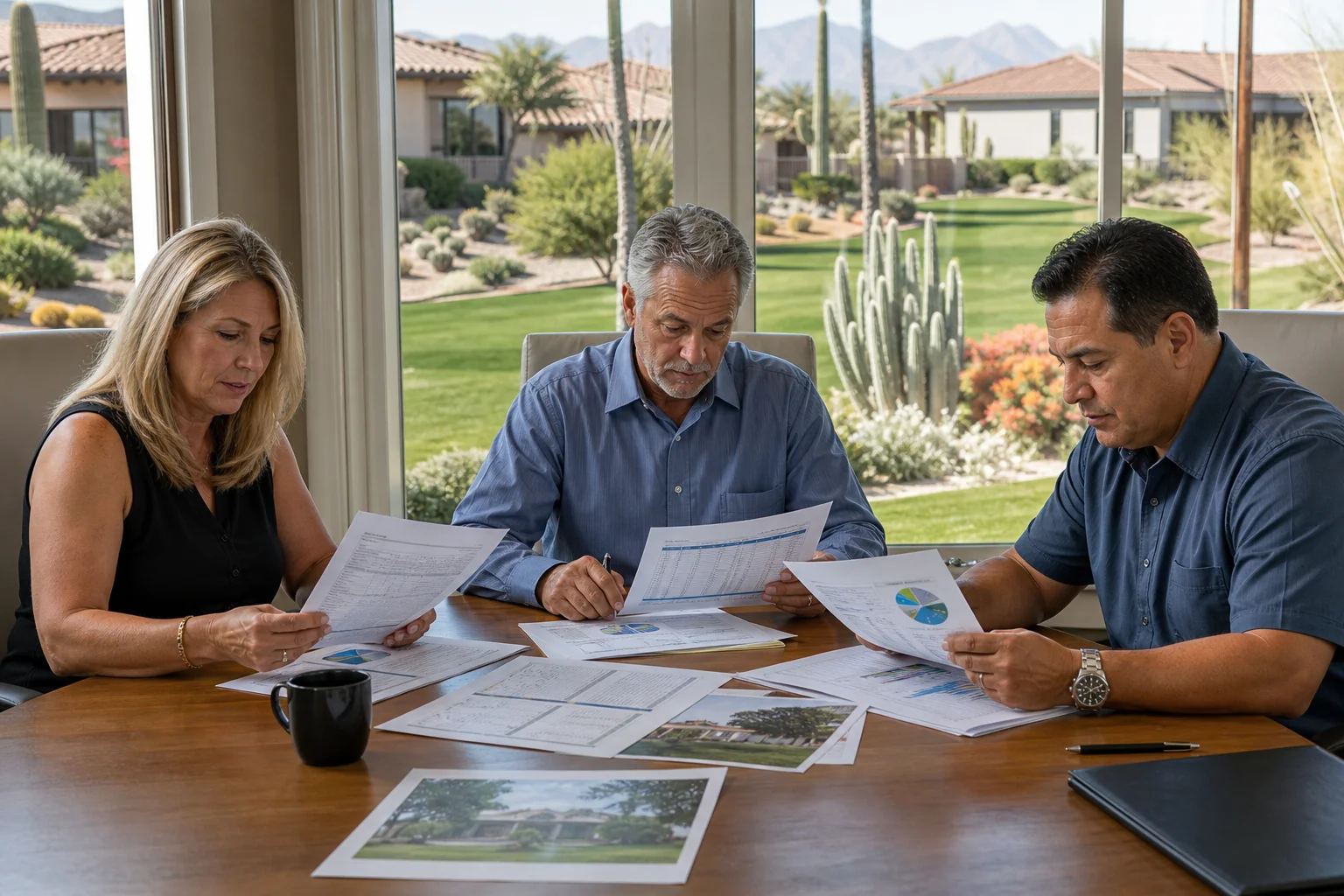
A reserve study is a financial analysis that estimates the remaining useful life and replacement cost of a community's major common-area assets. For landscape budgeting purposes, the most relevant assets typically include irrigation systems, tree canopies, turf installations, and hardscape features such as retaining walls and paver pathways.
CAI Reserve Specialists examine current asset conditions, assign remaining service life estimates, and calculate the annual contribution required to fund replacement without a special assessment. The study becomes the authoritative source for long-range landscape budget forecasting and annual planning.
For Arizona communities, reserve studies carry additional weight because the desert climate accelerates wear on irrigation components and turf. Boards that factor in Arizona's UV intensity and monsoon-season soil shifts produce more accurate reserve schedules than those using national-average depreciation tables.
Key Line Items Every HOA Landscape Budget Should Include
A well-structured hoa landscaping budget separates routine maintenance from capital replacement and enhancement spending. The following categories should appear as distinct line items in every association's annual planning process.
Routine Maintenance Services
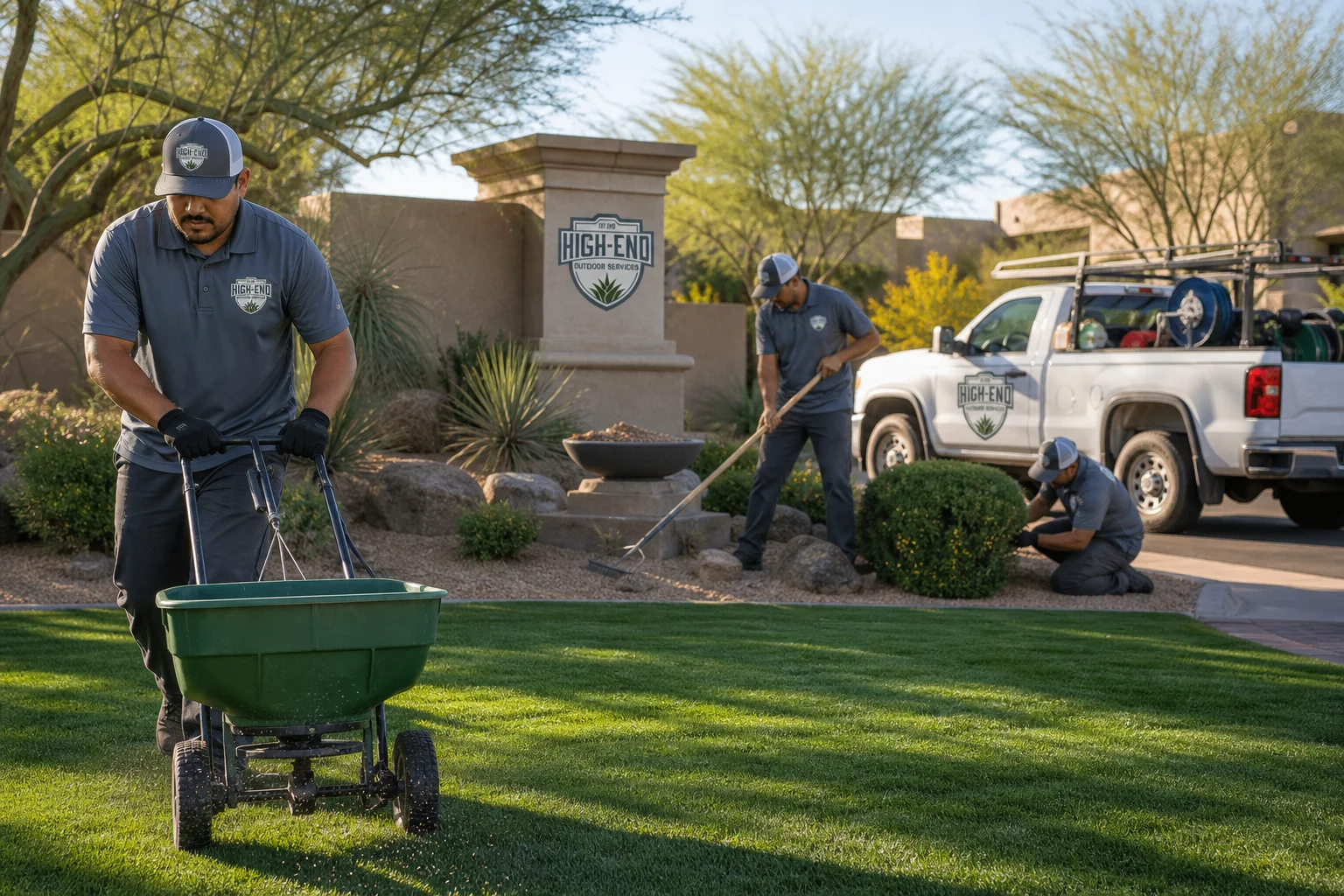
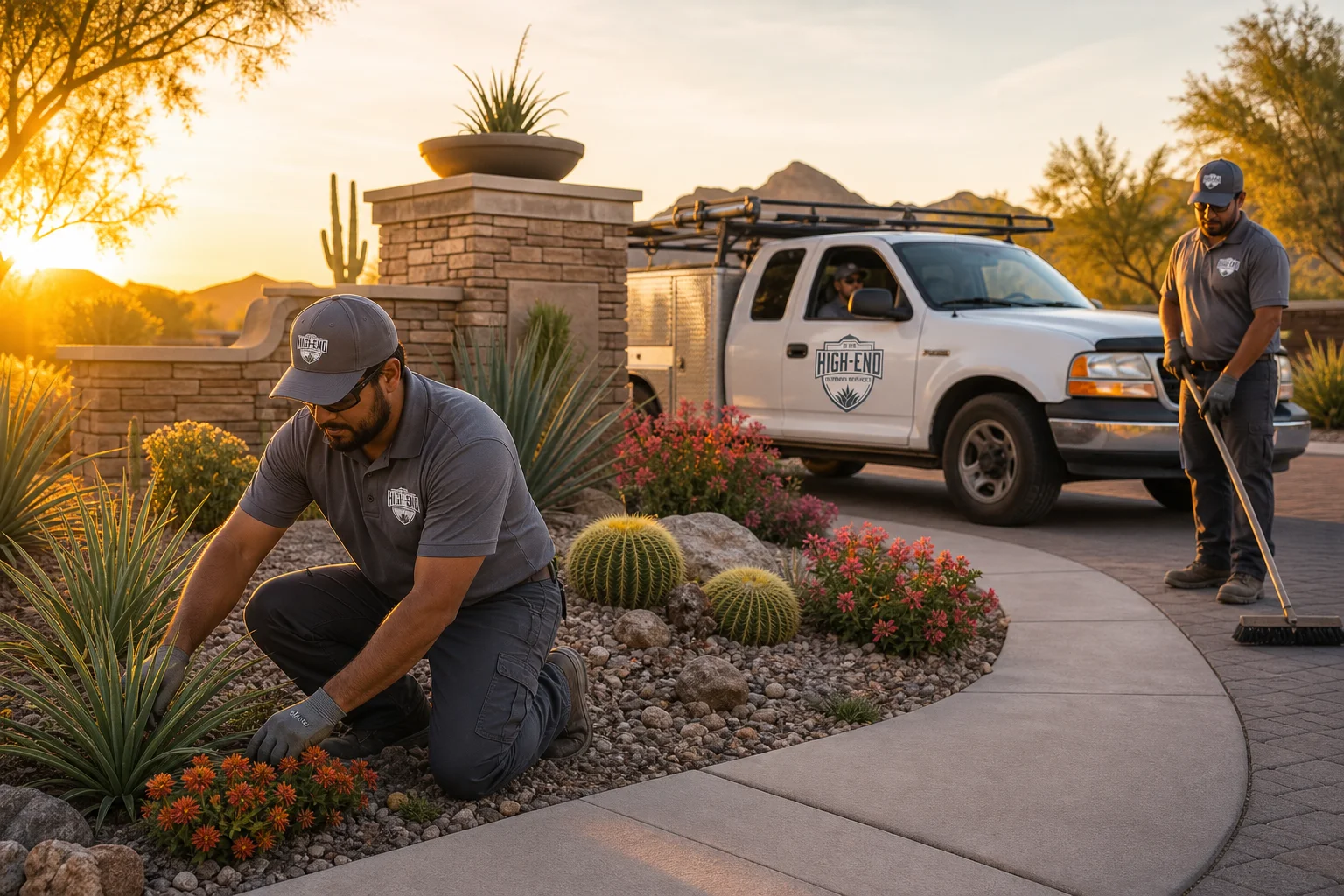
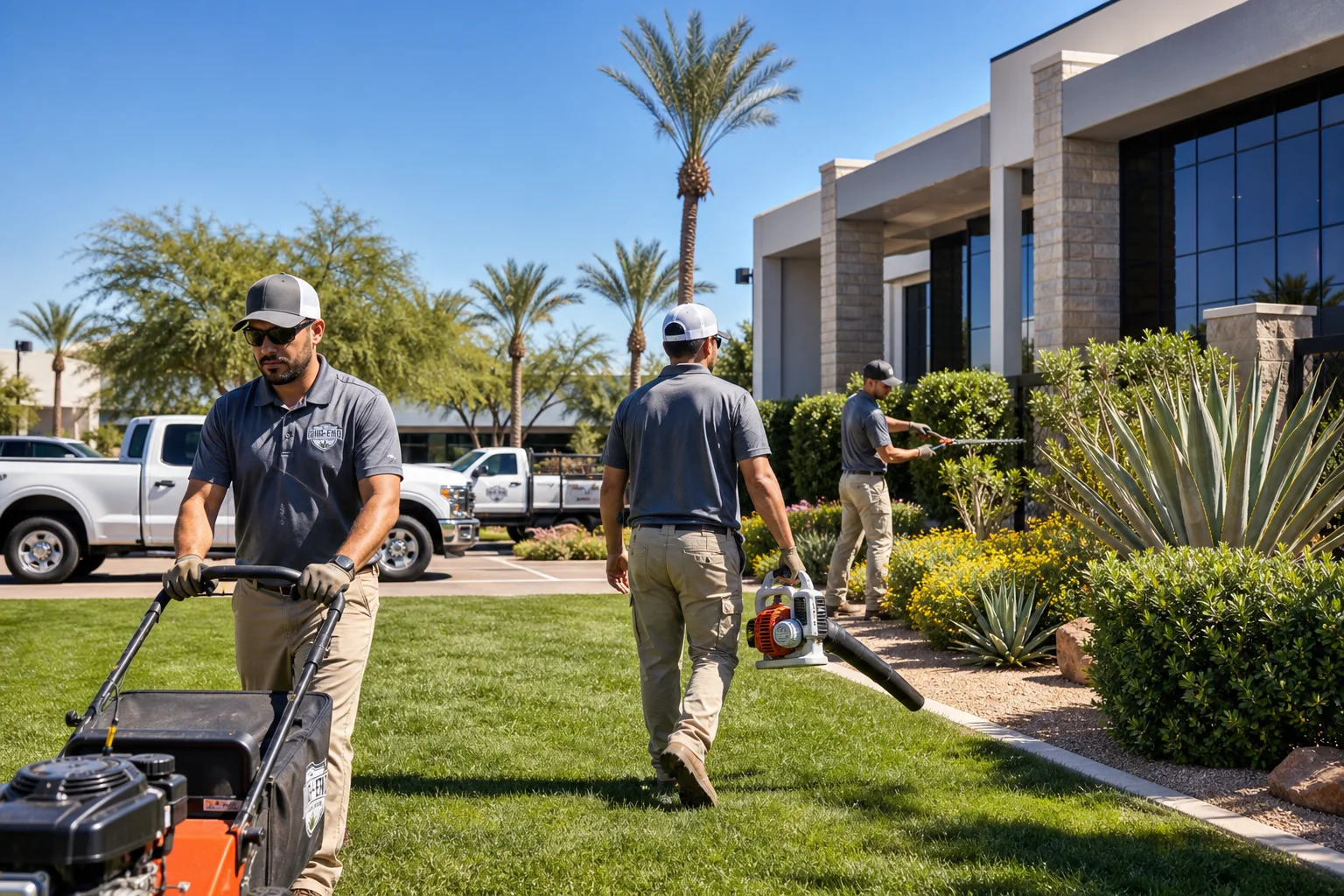
This covers weekly or biweekly mowing, edging, pruning, weed control, and fertilization. For most Arizona communities, routine landscaping services account for 50 to 65 percent of total annual landscape spend. Establishing this category first gives boards a reliable baseline from which to evaluate additional requests.
For communities pursuing consistent year-round care, our guide to implementing effective landscape maintenance programs for commercial properties outlines service frequency standards that translate directly to HOA contexts.
Irrigation System Operations and Repairs
Irrigation typically carries its own reserve line because controller upgrades, valve replacements, and lateral-line repairs occur on irregular schedules. Boards should budget separately for water costs and mechanical upkeep. Communities with aging drip or spray systems should request an irrigation audit every three years.
Tree Care and Canopy Management
Tree trimming, structural pruning, and removal are among the largest single-event expenses an HOA faces. Tree Services scoped annually and tied to reserve-funded replacement cycles prevent the budget shock of emergency removal after monsoon damage.
Turf and Planting Replacement
Sod and artificial turf both have measurable lifespans. Budgeting for scheduled replacement rather than reactive patching keeps common areas looking consistent and avoids the larger capital outlay of emergency-driven replacement projects.
Planning Enhancements Within a Balanced Landscaping Budget
Enhancements, meaning upgrades that go beyond the existing scope, require a separate budget conversation from routine maintenance and reserve contributions. Boards that commingle enhancement requests with the operational budget often find themselves approving services they cannot sustain after the first year.
A responsible enhancement process starts with a written scope proposal from the commercial landscaping partner, followed by a board vote, and then a funding source decision: current-year operating surplus, a capital improvement assessment, or a phased multi-year plan.
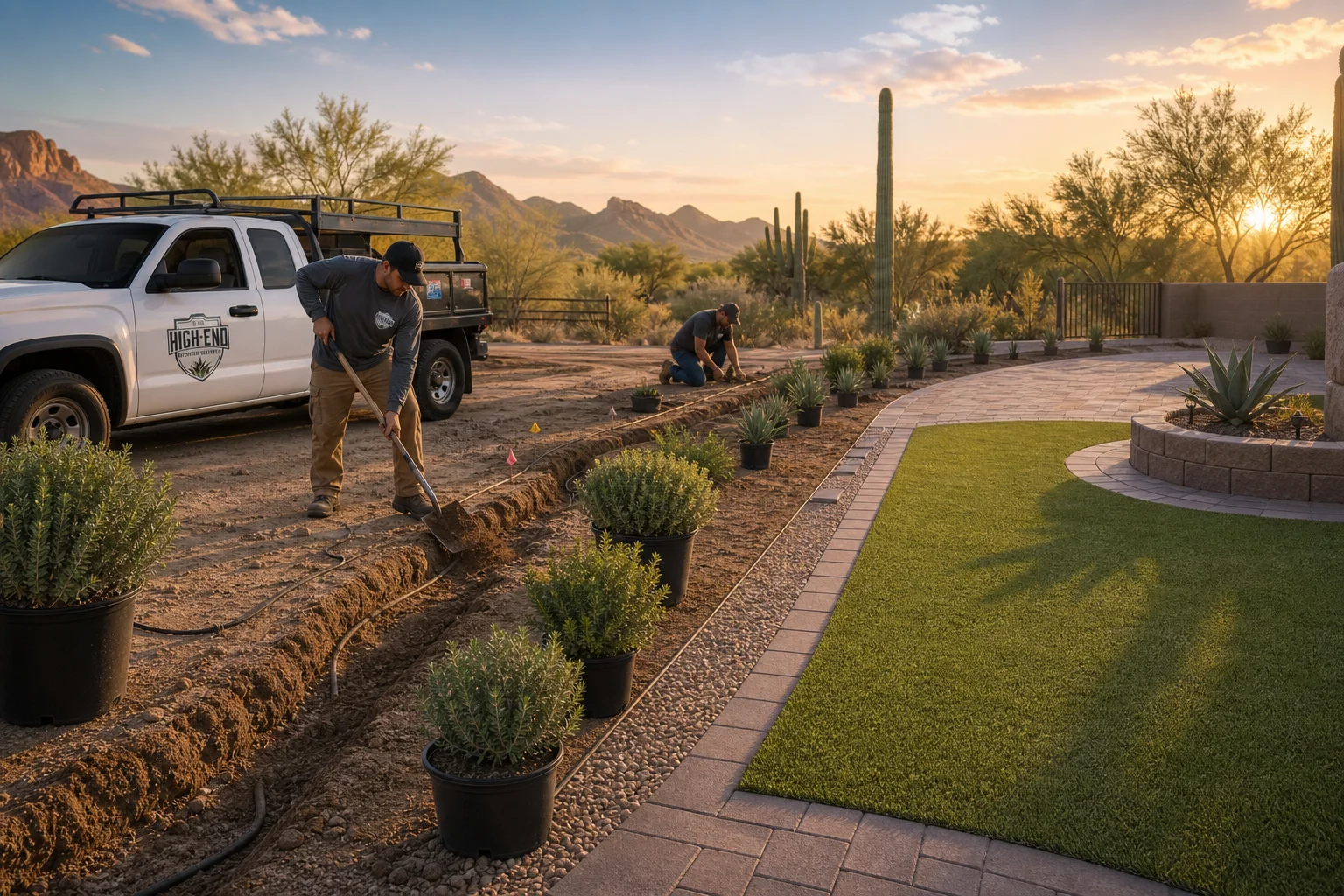
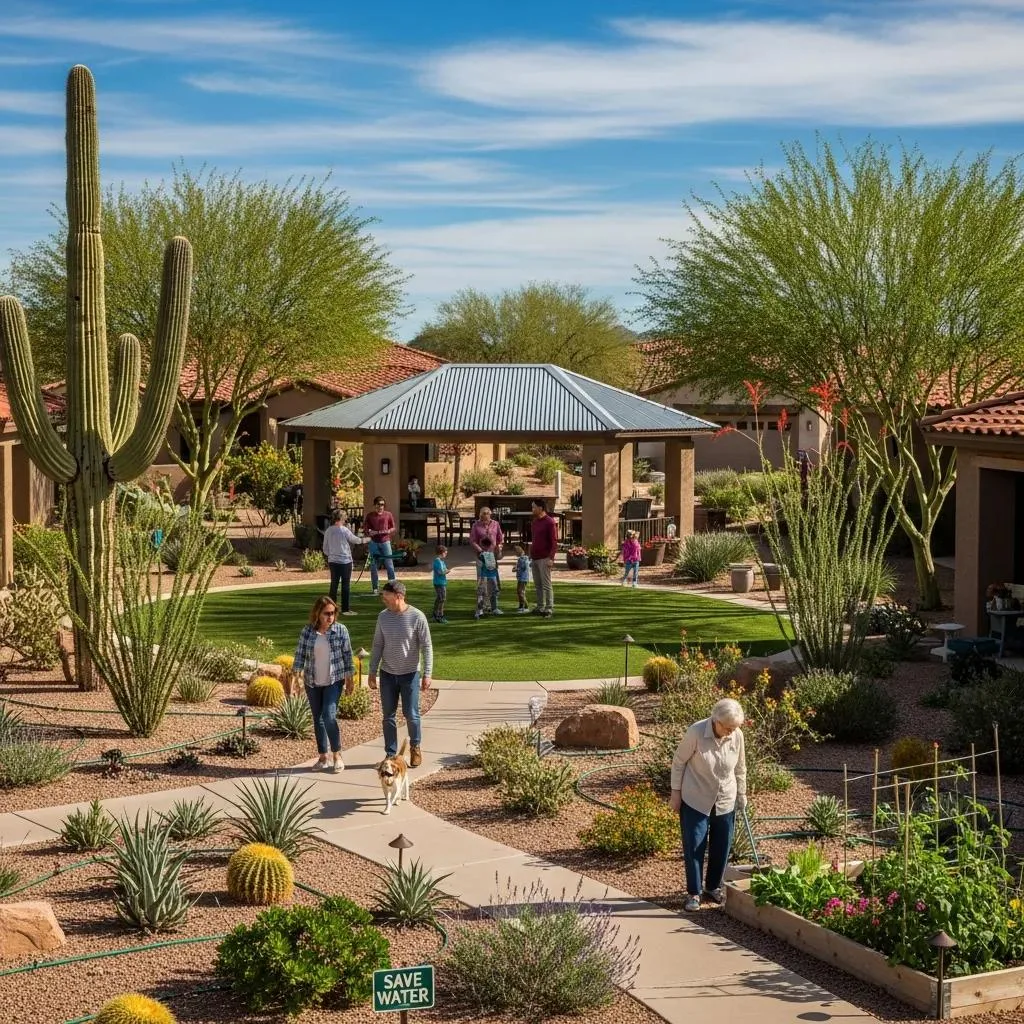
Common enhancements at Arizona HOA communities include hardscape additions such as paver entries and seating areas, conversion of water-intensive turf to Xeriscaping, and lighting upgrades along common-area pathways. Xeriscaping conversions often reduce irrigation costs enough to offset the enhancement investment within two to three annual budget cycles.
For communities that want to understand scope and service standards before initiating enhancement discussions, our guide to landscape maintenance for gated communities covers frequency benchmarks and quality thresholds that inform realistic cost expectations.
How HOA Boards Can Partner Effectively with Commercial Landscaping Companies
The relationship between hoa boards and their landscaping contractor shapes outcomes more than any single budget line. Boards that engage contractors in annual planning meetings, share reserve study timelines, and request proactive condition reports get ahead of issues before they become expenses.
Our guide to what a commercial landscape maintenance contract should include details how contract language should go beyond service frequency to specify response windows for irrigation failures, tree hazard assessments after storm events, and escalation procedures when scope changes are requested mid-cycle.
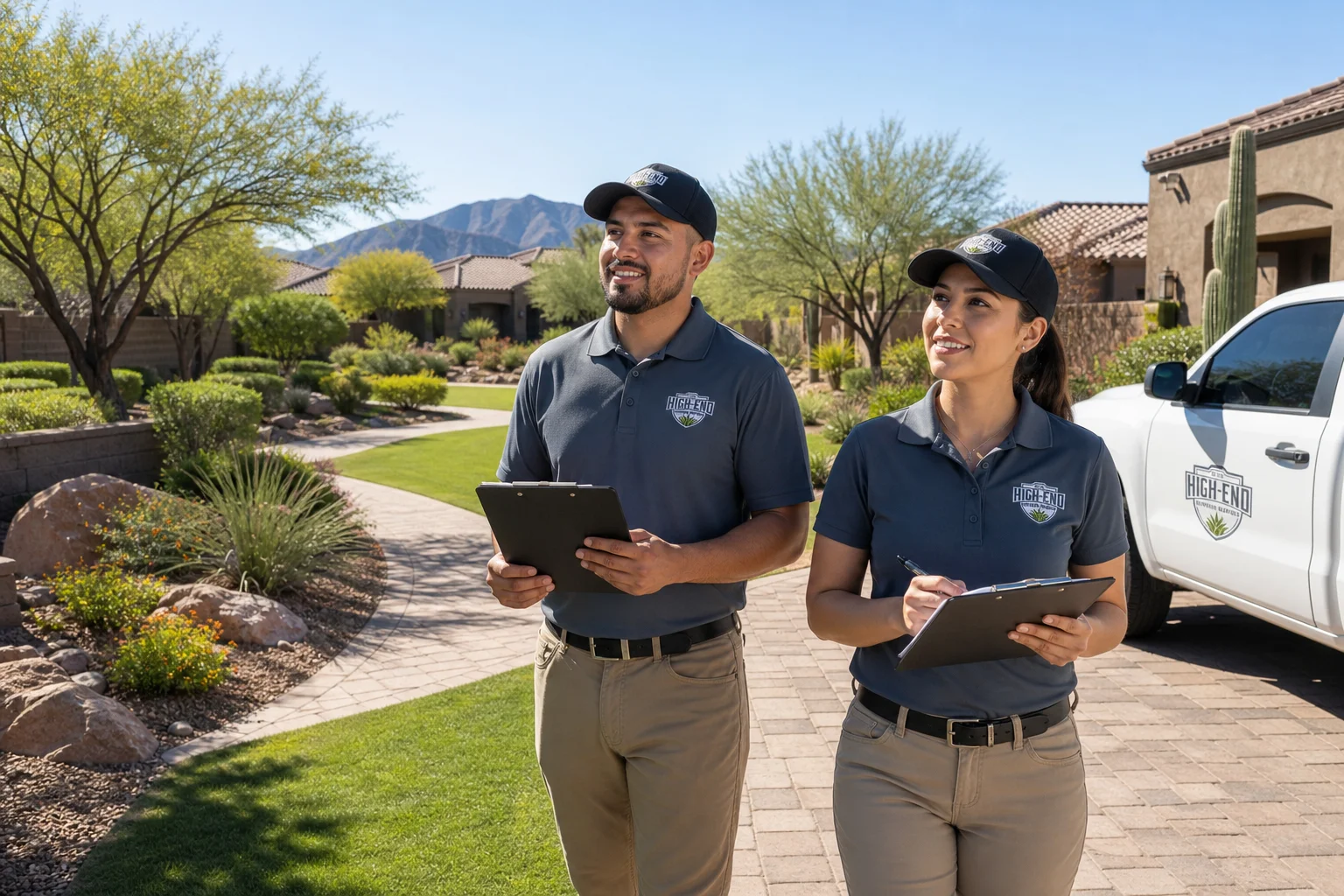
HOA landscaping agreements that perform best also include quarterly walk-throughs where the contractor documents condition changes and flags emerging issues for the board's next meeting. This creates a paper trail that protects both the association and the provider when questions arise at renewal time.
Frequently Asked Questions
How much should an HOA budget for landscaping services each year?
There is no universal figure. A reserve study from a credentialed specialist provides the most accurate starting point for any association. Routine hoa landscaping maintenance typically represents 50 to 65 percent of total landscape spend, with the remainder allocated to reserve contributions, irrigation, tree care, and enhancements. Request itemized bids from at least two commercial landscaping providers before finalizing numbers.
What is the difference between a reserve study and an annual landscape budget?
A reserve study is a long-range financial analysis, typically covering 20 to 30 years, that estimates replacement costs for major common-area assets. An annual landscape budget is the operational spending plan for the current fiscal year. Both documents inform each other: the reserve study sets funding targets, and the annual budget tracks actual expenditures against those targets.
When should an HOA commission a new reserve study?
Most CAI guidance recommends a full reserve study update every three to five years, with an annual review in interim years. For Arizona communities, where climate conditions can accelerate asset degradation, boards should consider a full update every three years, particularly if the community has completed major irrigation or turf work since the last study.
Can enhancement projects be funded from reserves?
Reserve funds are typically restricted by governing documents to replacement of existing assets, not new additions. Enhancement projects generally require separate funding through operating budget surplus, a capital improvement assessment, or a board-approved loan. Boards should review their CC&Rs and consult legal counsel before drawing on reserve funds for enhancement work.
How do HOA boards evaluate the quality of their landscaping services?
Beyond visual inspection, boards can track service completion logs, irrigation audit results, and year-over-year water consumption data. Many hoa management companies also use property management software that allows homeowners to submit landscape concerns, creating an objective record of service issues that can be tied to contractor performance reviews.
Build a Landscape Plan Your Community Can Count On
Disciplined hoa landscape budgeting, grounded in accurate reserve studies, clear contract language, and a sustainable enhancement process, gives boards the tools to manage outdoor spaces without financial surprises. When you are ready to bring a commercial landscaping partner into your annual planning process, Contact the HEOS AZ team to discuss a service and reserve plan built for Arizona communities.