Decomposed Granite vs Turf vs Groundcover for Commercial Common Areas
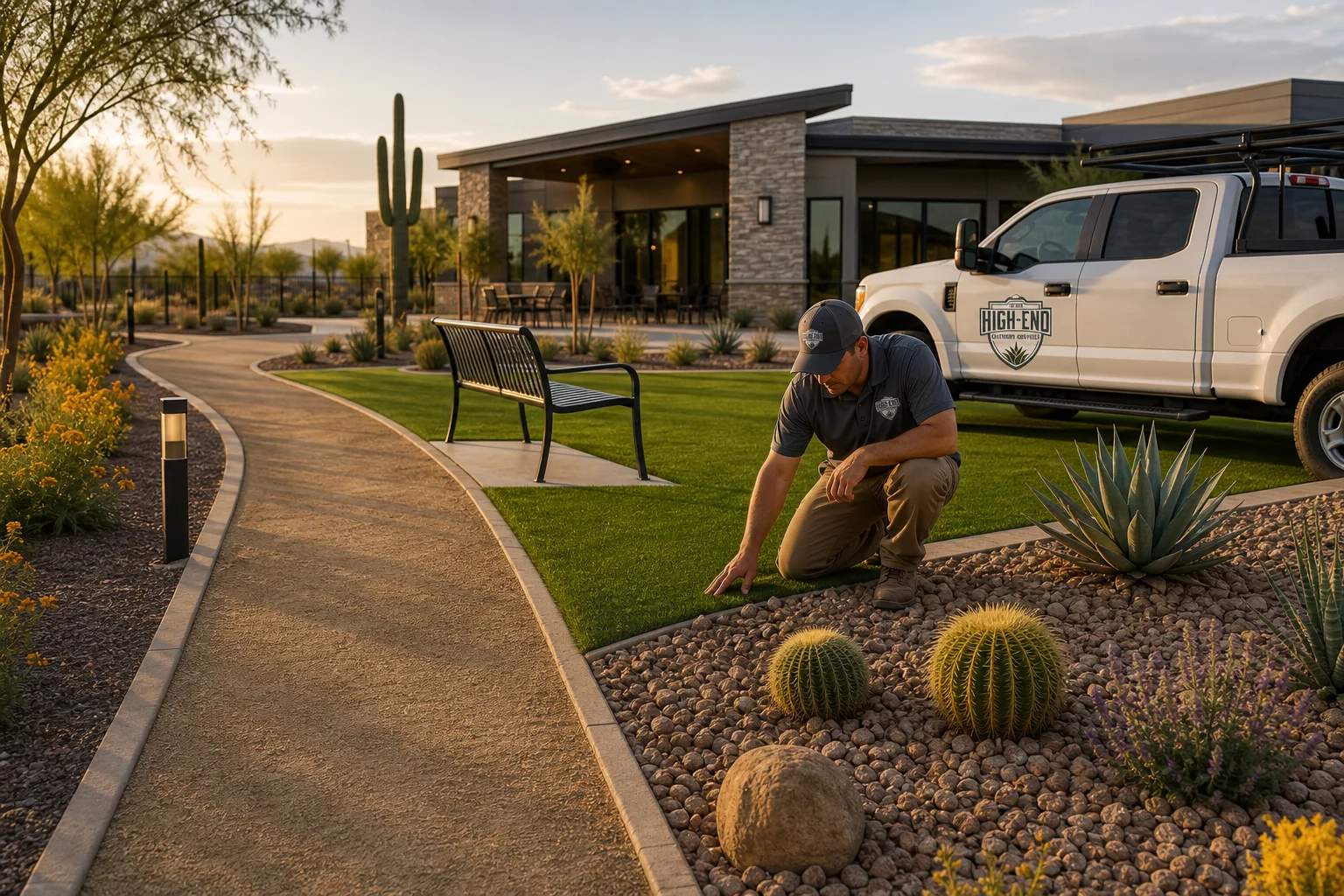
Choosing between decomposed granite vs turf vs groundcover for commercial common areas comes down to foot traffic, water budgets, and long-term upkeep. Each material solves a different problem for entries, courtyards, and business parks, and a well-planned HOA Landscaping plan often blends two or three of these ground covers within the same property.
By HEOS AZ Team, Outdoor Living Specialists
Decomposed Granite vs Turf vs Groundcover for Commercial Common Areas: A Side-by-Side Look
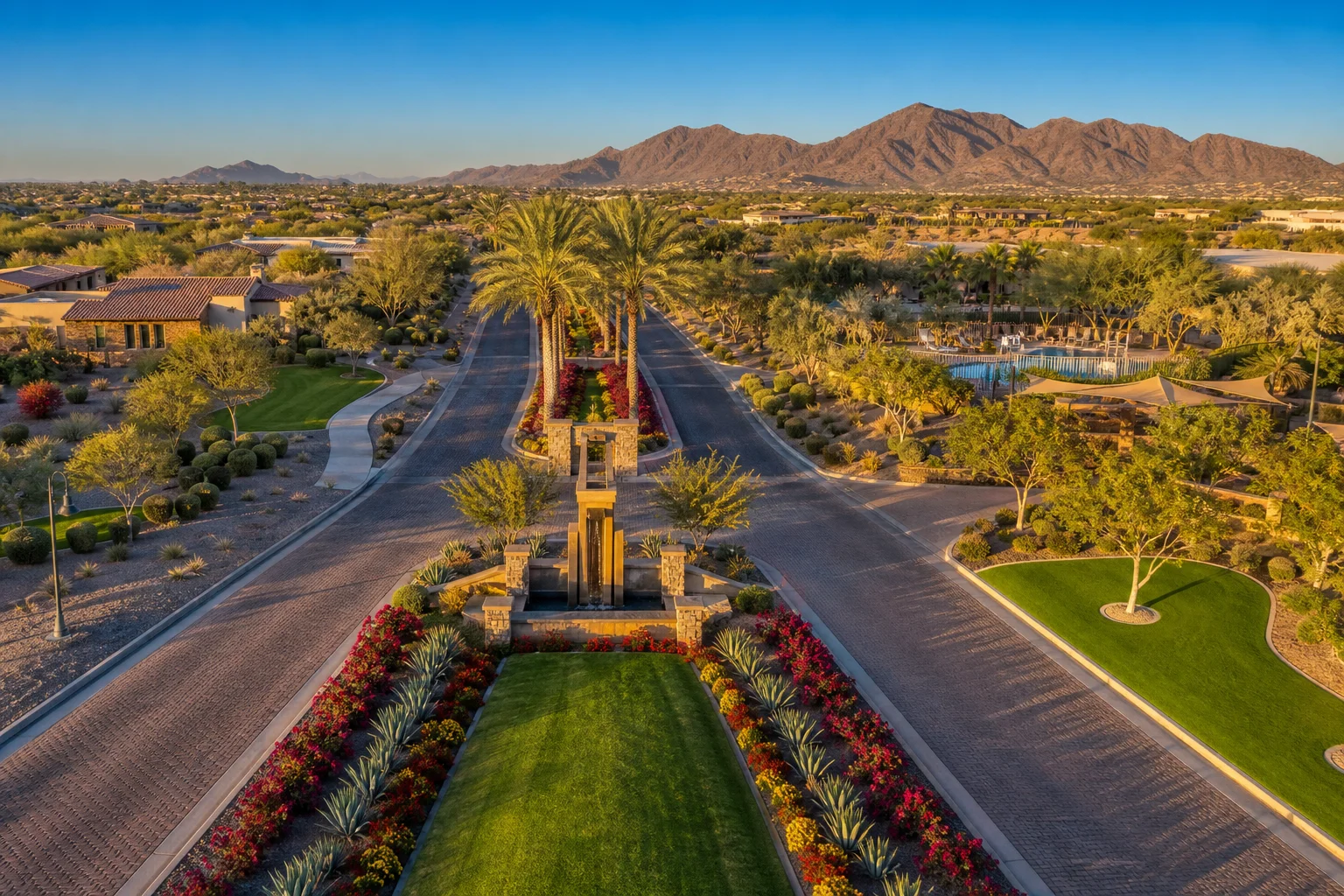
HOA boards, property managers, and business owners across the Valley weigh three main choices for entries, courtyards, and shared outdoor space: decomposed granite, artificial turf, and living ground cover. Each brings a different balance of upfront cost, water use, and long-term upkeep, and the right choice usually depends on how much foot traffic a space sees and how polished the property needs to look year-round. A community entry monument might call for decomposed granite bands framing a planting bed, while a clubhouse lawn area is a better fit for artificial turf. Understanding what each material asks of your maintenance budget helps you build a common area plan that holds up instead of one that needs constant rework.
Decomposed Granite: Low-Water Texture for Paths and Planting Beds
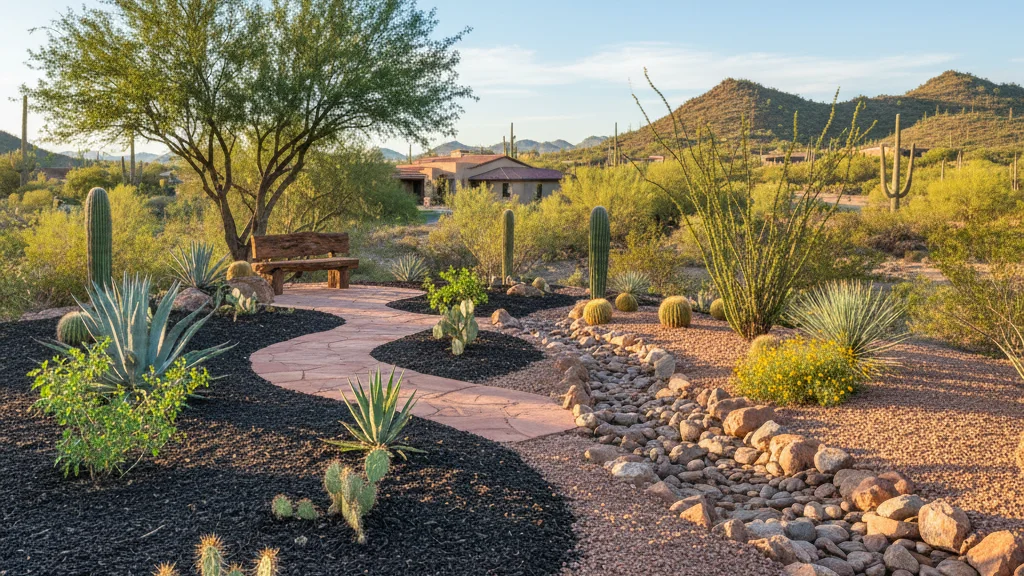
Decomposed granite, often shortened to DG, is crushed native stone that compacts into a firm, natural-looking surface for walkways, tree rings, and low-traffic beds. Installed correctly, it starts with compacted soil, a Class II base layer, and a weed barrier fabric that keeps growth from pushing through the stone over time. Without that barrier, weeds work through the ground within a season and the bed looks neglected fast. Decomposed granite reads as upscale and desert-appropriate, and it costs less to install than turf or pavers across large planting areas. The tradeoff is that it migrates under heavy foot traffic, needs periodic top-dressing, and is not the right choice for spaces where people gather, sit, or play.
Artificial Turf: Year-Round Green Without the Water Bill
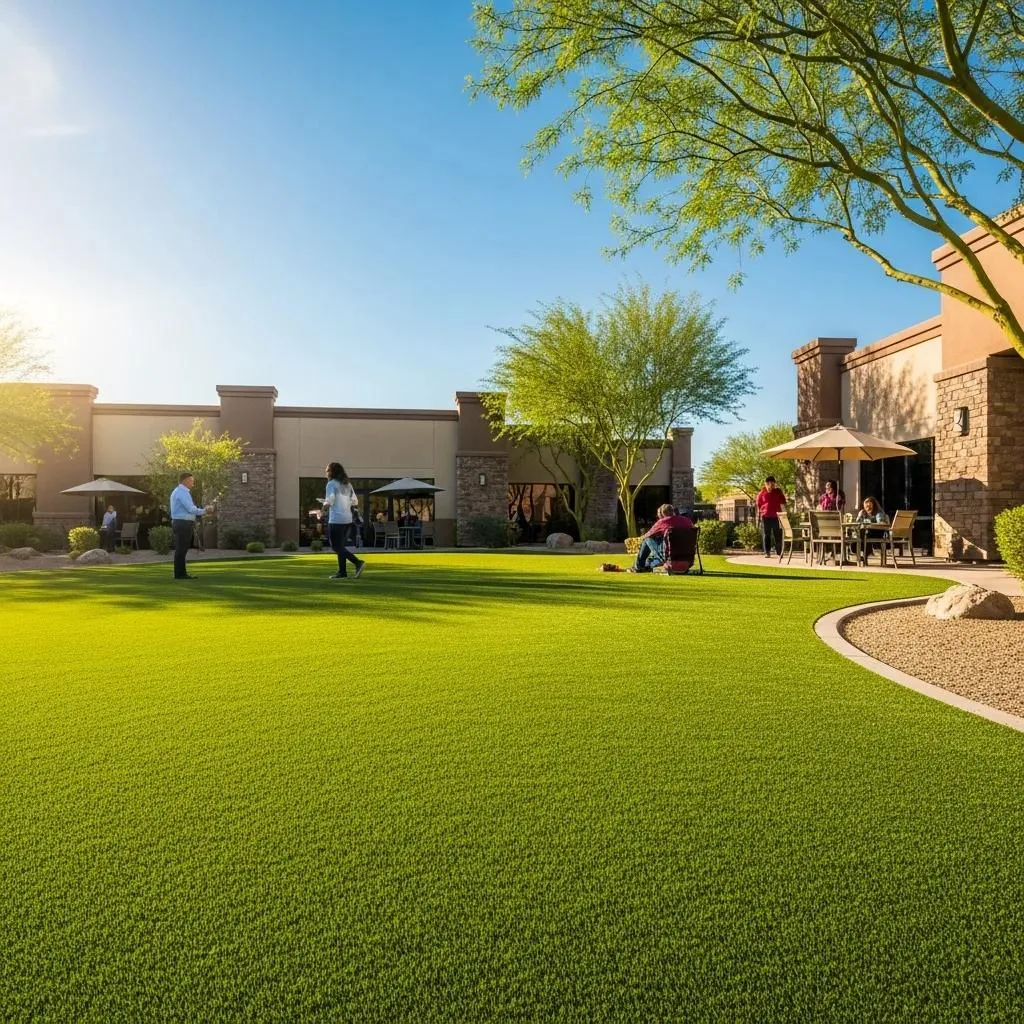
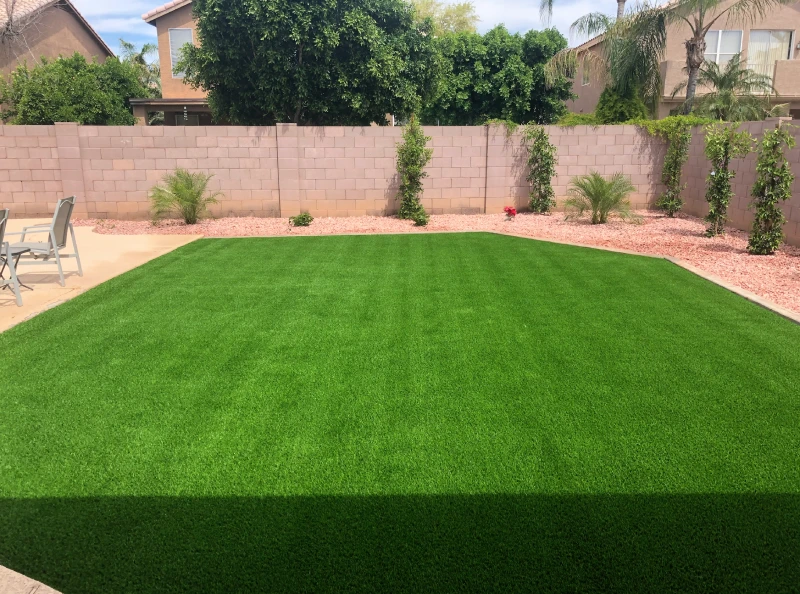
Artificial turf, sometimes called artificial grass or synthetic turf, gives commercial properties the look of natural grass without the irrigation demand, mowing schedule, or brown patches that show up during Arizona summers. A properly installed turf system starts the same way decomposed granite does, with a compacted base layer and a weed barrier underneath the backing, but the finished surface holds up to heavy foot traffic in a way loose stone cannot. That durability is why clubhouse lawns, playground surrounds, and dog runs at HOA communities lean toward synthetic grass over natural grass. Turf Installation crews grade the base, lock the perimeter, and infill with clean sand or rubber so the surface drains and stays cool underfoot. Because turf eliminates irrigation, mowing, and reseeding costs, those savings typically offset the higher install price within a few years, a payback curve the turf ROI breakdown maps out in more detail for multi-year contracts.
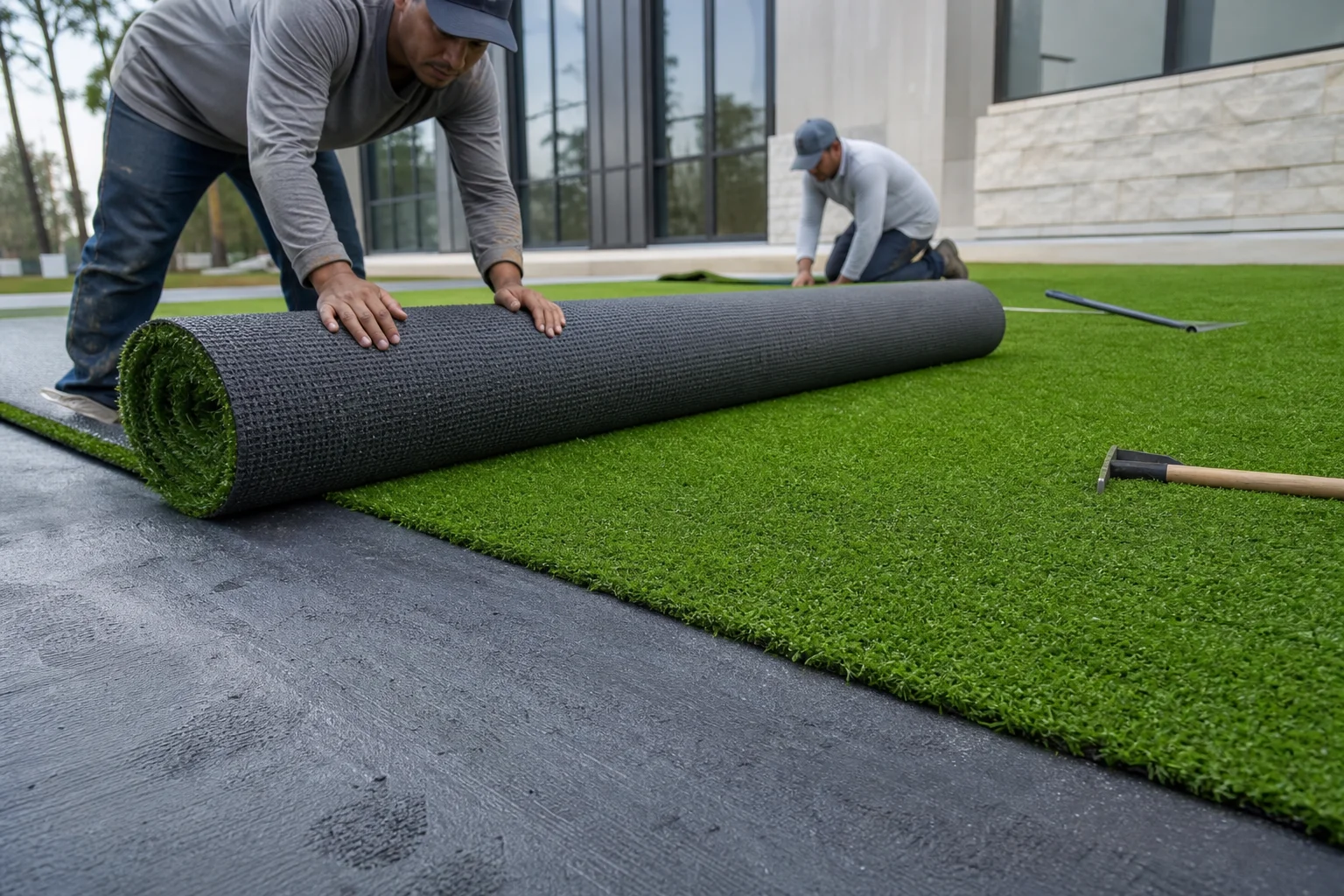
Once turf is down, the ongoing care is lighter than a living lawn but not zero. Debris removal, infill grooming, and periodic sanitizing keep high-traffic areas clean and odor-free, which matters for properties with pets or daily foot traffic. Facility managers usually build that upkeep into a seasonal budget rather than treating it as a one-time deep clean, and the turf maintenance checklist lays out that seasonal schedule step by step.
Living Ground Cover: When Plants Still Make Sense
Ground cover plantings, spreading shrubs, succulents, and low perennials mixed with mulch beds, still earn a place in commercial common areas, especially where the goal is softness and seasonal color rather than a play surface. Ground cover cools the soil, supports pollinators, and reads as more organic than stone or synthetic grass at a building entrance. It does need irrigation, seasonal trimming, and mulch replenishment to stay full and weed-free, so it carries more ongoing labor than turf or decomposed granite. For properties leaning into lower water use overall, pairing ground cover beds with drought-tolerant, xeriscaping-style plant choices keeps the palette hardy while still giving common areas visual texture that hardscape alone cannot create.
Choosing the Right Base Layer and Weed Barrier for Each Material
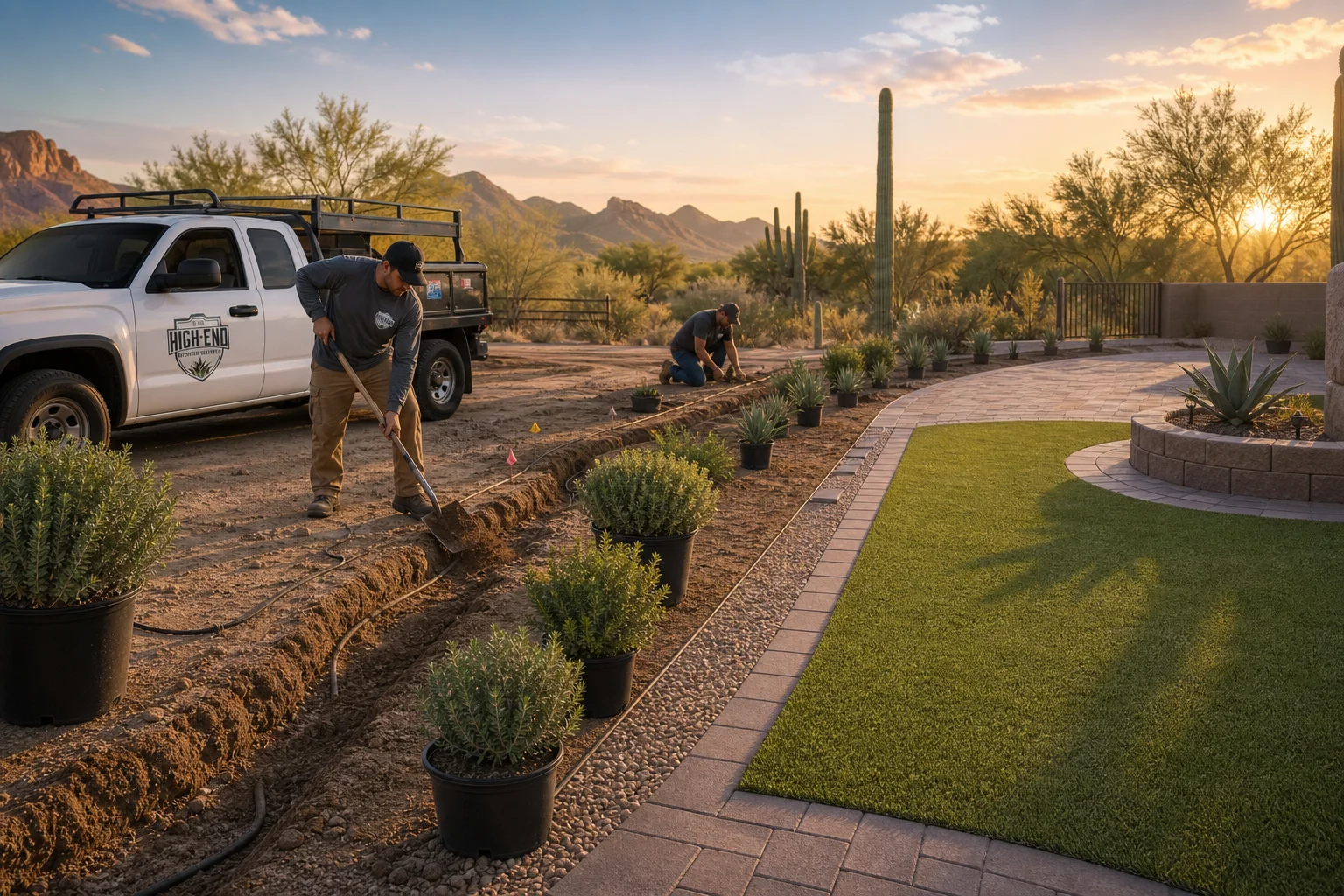
Whichever surface a property lands on, the install prep underneath is what determines whether it lasts. Decomposed granite and artificial turf both depend on a compacted base layer and a weed barrier to stop growth and prevent settling, while ground cover beds need amended soil and drip irrigation instead. Property managers who want to skip content-heavy maintenance calendars often standardize the base layer specs across every common area on a property, so crews service DG paths, turf lawns, and planting beds on the same rotation instead of juggling three different systems. When a synthetic lawn does show wear at the seams or in the infill, addressing it early keeps the surface looking uniform and helps protect any manufacturer or installer warranty, since a small seam separation tends to widen under continued foot traffic if it is left alone. Boards deciding between a stock synthetic product and a custom blend for a signature entrance should weigh how much that space functions as a focal point versus a working lawn, a signature entry often justifies a higher pile height or a custom color blend, while a standard clubhouse lawn rarely needs the upgrade.
Frequently Asked Questions
Which is cheaper to install, decomposed granite or artificial turf? Decomposed granite generally costs less per square foot to install than artificial turf, since it skips the turf backing, infill, and seaming labor. Artificial turf costs more upfront but eliminates irrigation, mowing, and reseeding expenses over the life of the surface, so many commercial properties see turf pay back the difference within a few years, especially in high-traffic common areas.
Does decomposed granite need a weed barrier? Yes. Decomposed granite installed without a weed barrier and compacted base layer will show weed growth within one growing season and migrate under foot traffic. A proper installation always includes soil compaction, a Class II base, and a fabric barrier under the finished stone layer to keep the surface stable and weed-free.
Can artificial turf handle heavy foot traffic areas like clubhouse lawns? Artificial turf is built for heavy foot traffic. A commercial-grade system with a compacted base and dense pile height holds up to daily use at clubhouses, playgrounds, and dog runs far better than natural grass or loose decomposed granite, without bare patches or compaction damage.
Is living ground cover more expensive to maintain than turf or decomposed granite? Ground cover plantings typically carry higher ongoing labor costs than turf or decomposed granite because they need irrigation, pruning, and mulch replenishment. They remain a strong choice where a property wants seasonal color and a softer look at entries, even though the maintenance calendar is heavier than a synthetic or hardscape surface.
Can decomposed granite, turf, and ground cover be combined on one property? Yes, and most well-designed commercial common areas do combine them. Decomposed granite works well for paths and tree rings, artificial turf covers active lawn space, and ground cover beds frame entries and signage, giving a property varied texture without every surface tied to the same watering schedule.
Build a Common Area Plan That Fits Your Property
Every property has a different mix of foot traffic, water goals, and curb appeal expectations, and weighing decomposed granite vs turf vs groundcover for commercial common areas comes down to walking the site, not guessing from a spec sheet. Contact our team to get a common area plan built around how your property actually gets used.