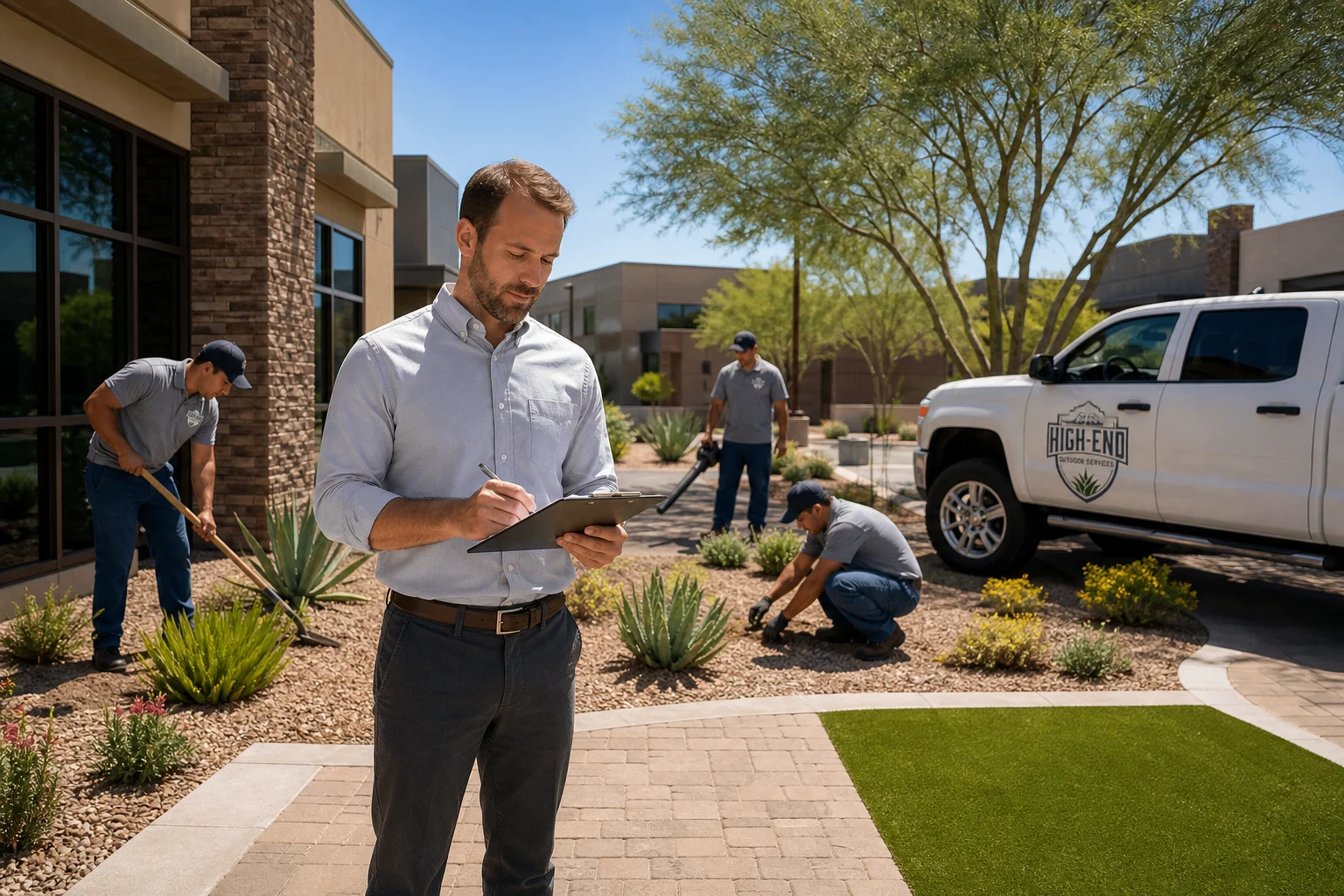
Synthetic Turf Maintenance for Commercial Properties: A Facility Manager's Checklist
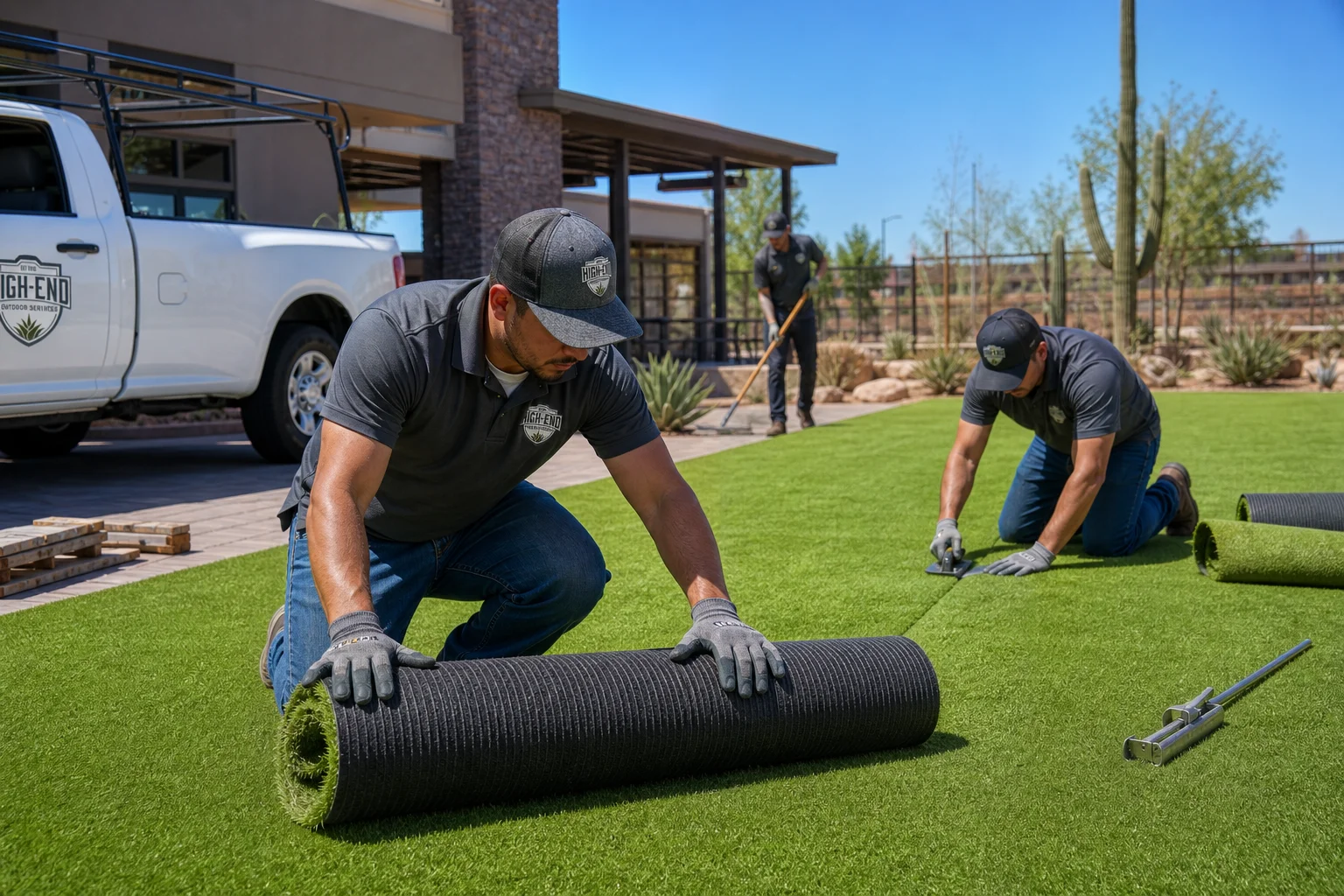
Synthetic turf maintenance for commercial properties keeps surfaces safe, clean, and visually sharp year-round. Unlike natural grass, commercial artificial turf demands regular brushing, debris removal, and periodic professional care to perform well under heavy foot traffic. Whether you are planning new Turf Installation or managing an existing surface, this facility manager's checklist provides a clear, actionable framework.
By HEOS AZ Team, Outdoor Living Specialists
Commercial properties project their brand through every visible surface, including the outdoor space tenants, customers, and visitors encounter first. A well-maintained artificial turf installation keeps outdoor spaces looking their best and signals professionalism and care. A neglected surface tells a different story, and in competitive markets, that impression has real consequences.
Synthetic turf is built to last, but its lifespan depends on how consistently it is maintained. Quality commercial turf products are generally rated for 15 to 25 years of service life, but that range assumes proper care. Without a maintenance schedule, compacted infill, matted fibers, and accumulated debris can shorten that window considerably and create safety hazards across high-traffic outdoor spaces.
Commercial properties see far more foot traffic than residential installations. Office plazas, retail entrances, HOA common areas, sports facilities, and healthcare campuses each bring their own traffic patterns and contamination risks. Organic matter, pet waste, and general grime break down infill and create odors if left unaddressed. Effective synthetic turf maintenance for commercial properties starts with recognizing that the surface is an asset requiring the same structured attention as any other facility system.
Weekly Maintenance Tasks: The Foundation of a Clean Surface
Regular Debris Removal
Regular debris removal is the most basic and most impactful task in any synthetic turf maintenance routine. Leaves, twigs, trash, and windblown organic matter should be cleared at least once per week on any commercial property. During high-wind periods or seasonal leaf fall, more frequent removal is necessary to prevent debris from working into the infill layer.
Use a leaf blower or a turf-safe rake to pull debris from the surface without disturbing the infill. Avoid metal-tined rakes, which can snag and pull fibers.
Brushing and Fiber Upright Maintenance
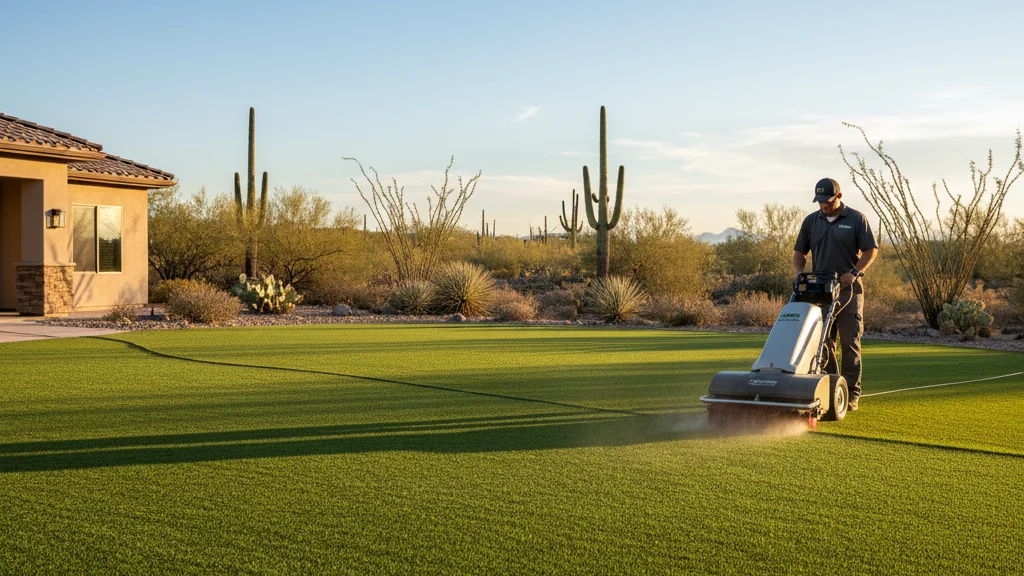
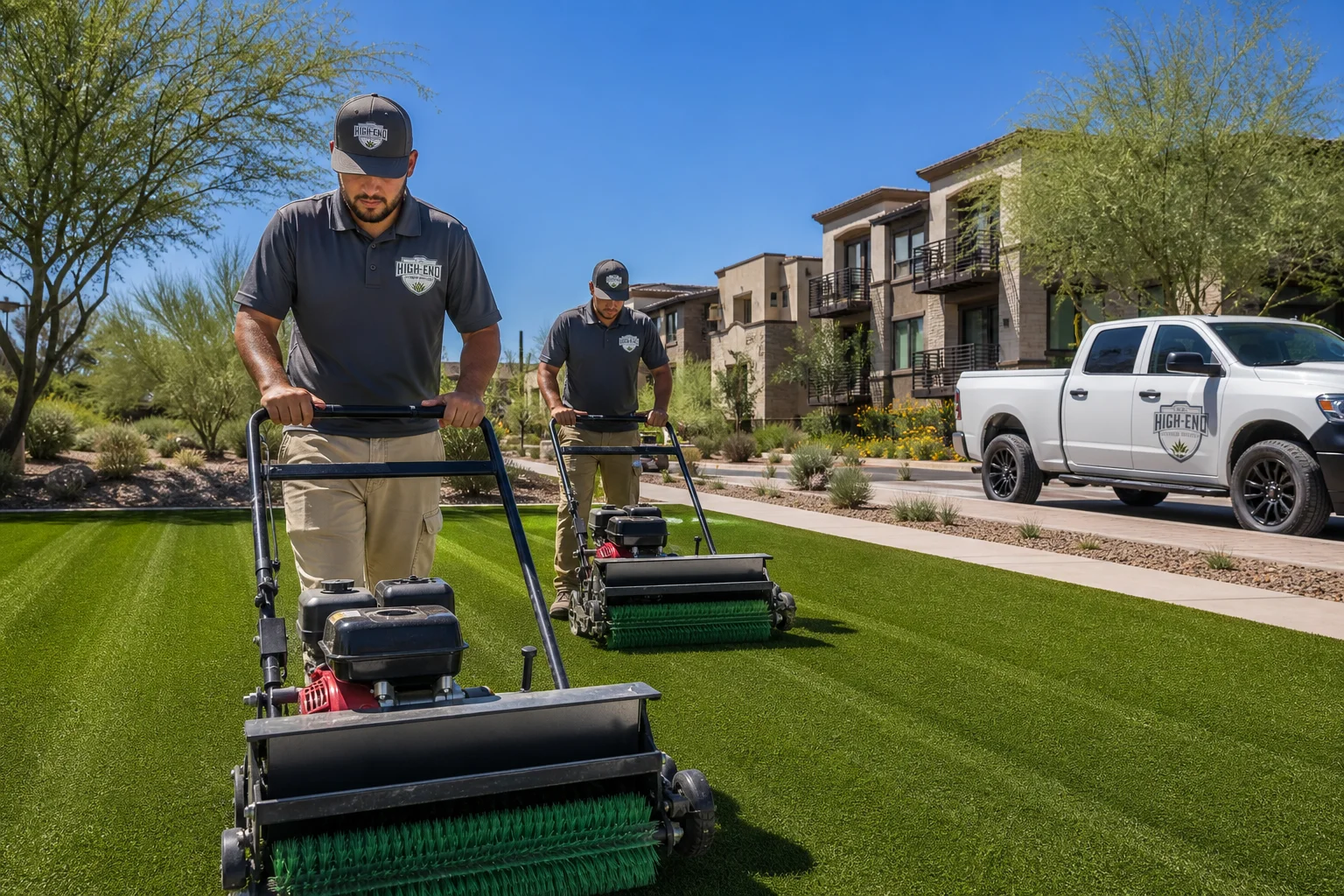
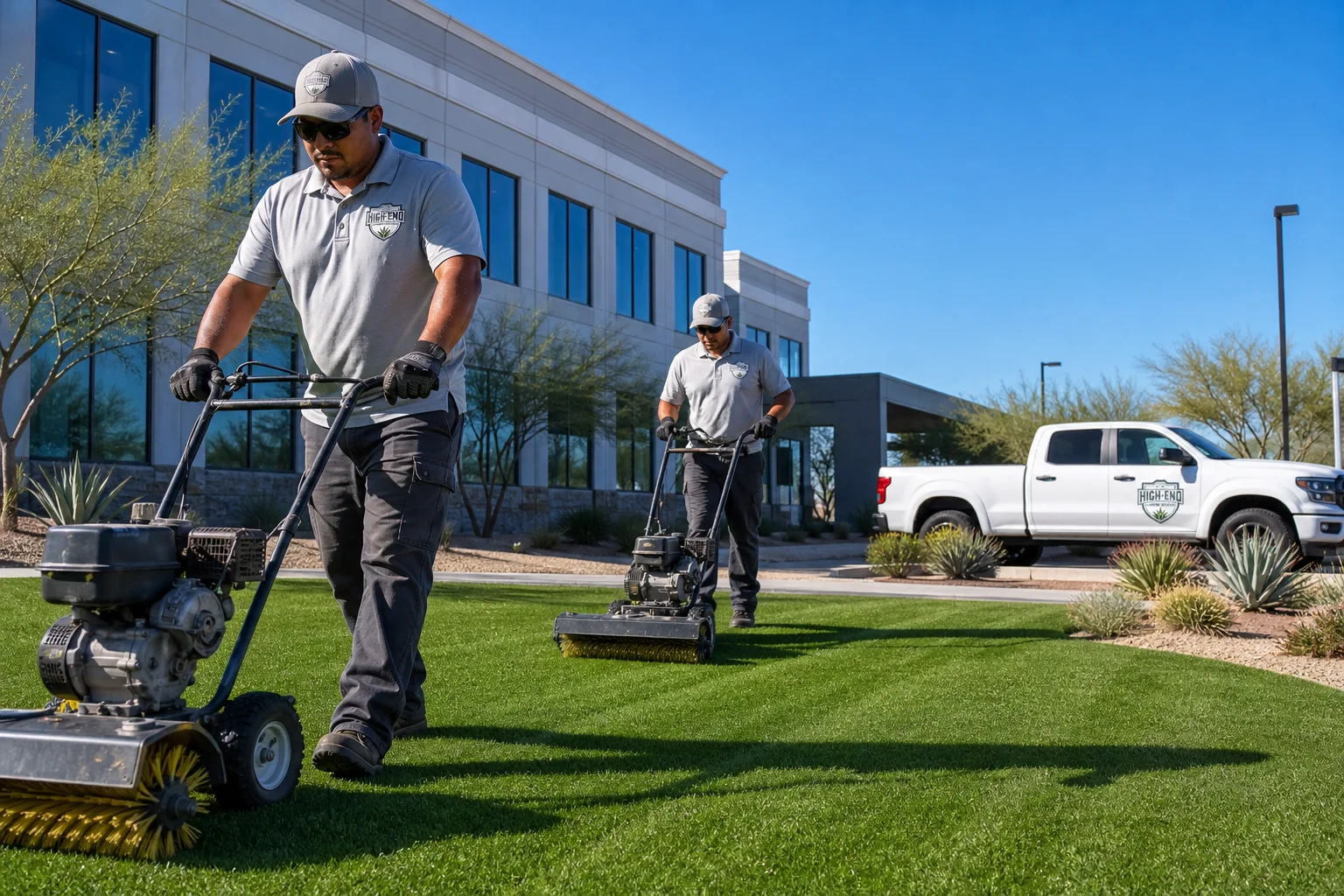
Synthetic turf fibers flatten under consistent foot traffic. Weekly power brushing with a stiff-bristled or counter-rotating brush keeps fibers upright, restores the natural appearance of artificial grass, and prevents matting in high-use corridors and entry zones. Pay particular attention to areas immediately adjacent to building entrances and pedestrian pathways, as these zones accumulate wear fastest.
Spot Cleaning
Address spills and stains promptly. Most substances, including food, beverages, and light oils, respond to water and mild soap before they set. For contamination that has dried or penetrated the fiber base, our guide to turf repair services covers common synthetic lawn problems and the remediation solutions facility teams rely on to address them.
Monthly and Seasonal Maintenance Protocols
Infill Inspection and Top-Off
Infill material, typically crumb rubber, silica sand, or organic alternatives, provides cushion and stability for commercial artificial turf. Monthly, walk the entire surface and check for low spots, which indicate infill displacement or loss. Top off depleted areas to keep the surface level and safe.
In Arizona's intense heat, silica sand infill can compact under summer conditions. A seasonal aerating pass loosens the infill layer and allows drainage to function correctly, protecting the surface against pooling and heat buildup beneath the fibers.
Drainage Checks
One of the primary advantages of synthetic turf over natural grass is rapid drainage without irrigation demand. However, clogged drainage ports are a common issue on older or heavily used installations. Check drainage quarterly by running a hose over the surface and watching for pooling. Clear any blocked ports to maintain proper runoff and protect the base layers beneath the turf.
Weed Control Along Edges
Although the base layer under synthetic turf typically includes a weed barrier, aggressive vegetation can still push through seams and edges over time. Monthly edge inspections catch early growth before roots establish. Pull weeds by hand or apply a turf-safe inhibitor along border zones to keep the perimeter clean and prevent barrier damage.
Managing High-Traffic Zones and Problem Areas
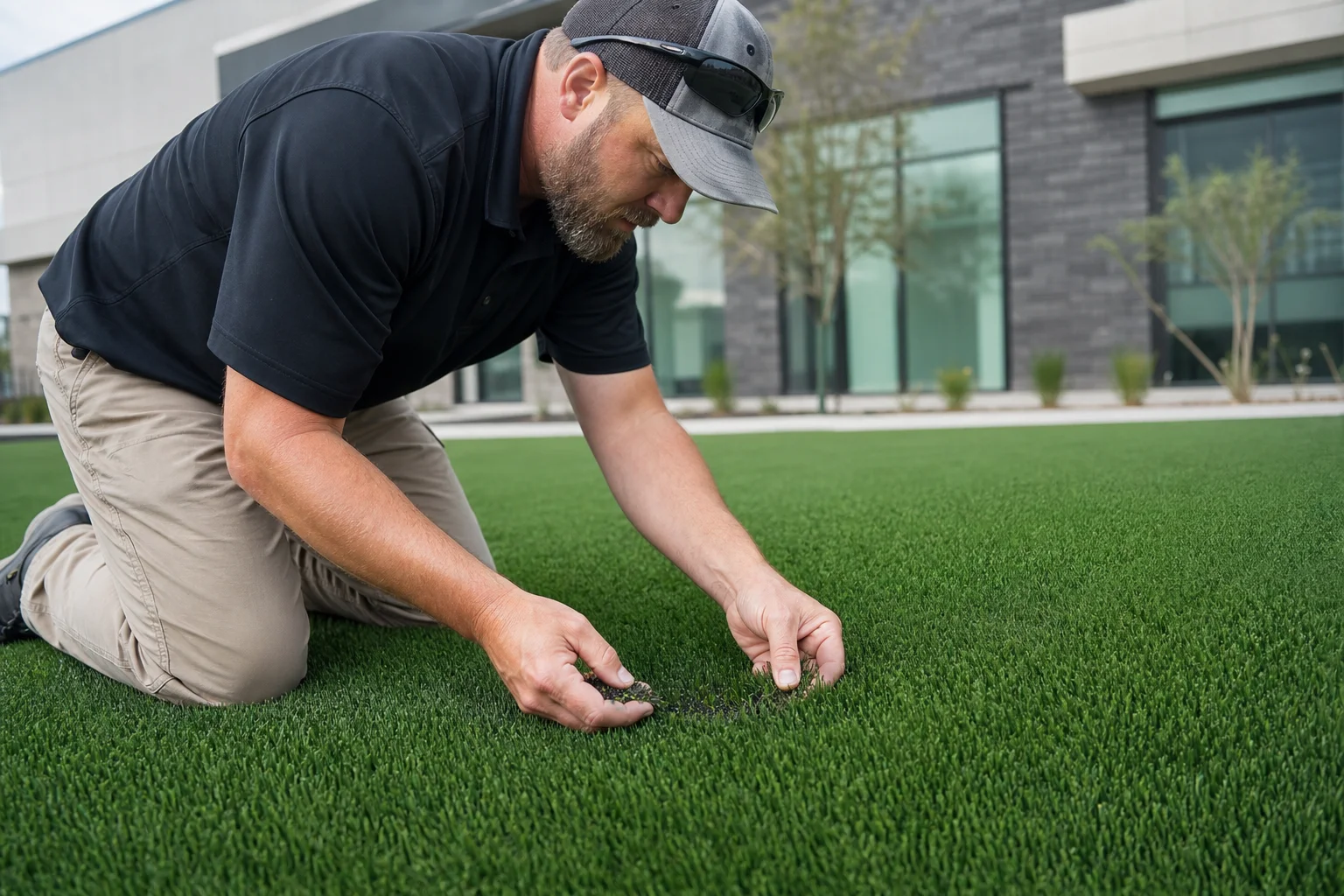
Heavy foot traffic concentrated in specific areas creates predictable wear patterns on commercial turf. Entry points, play corridors, and crosswalk zones are the most common stress areas on any commercial property. When these zones show early signs of matting, increase brushing frequency rather than waiting for full fiber collapse, which is far more costly to address.
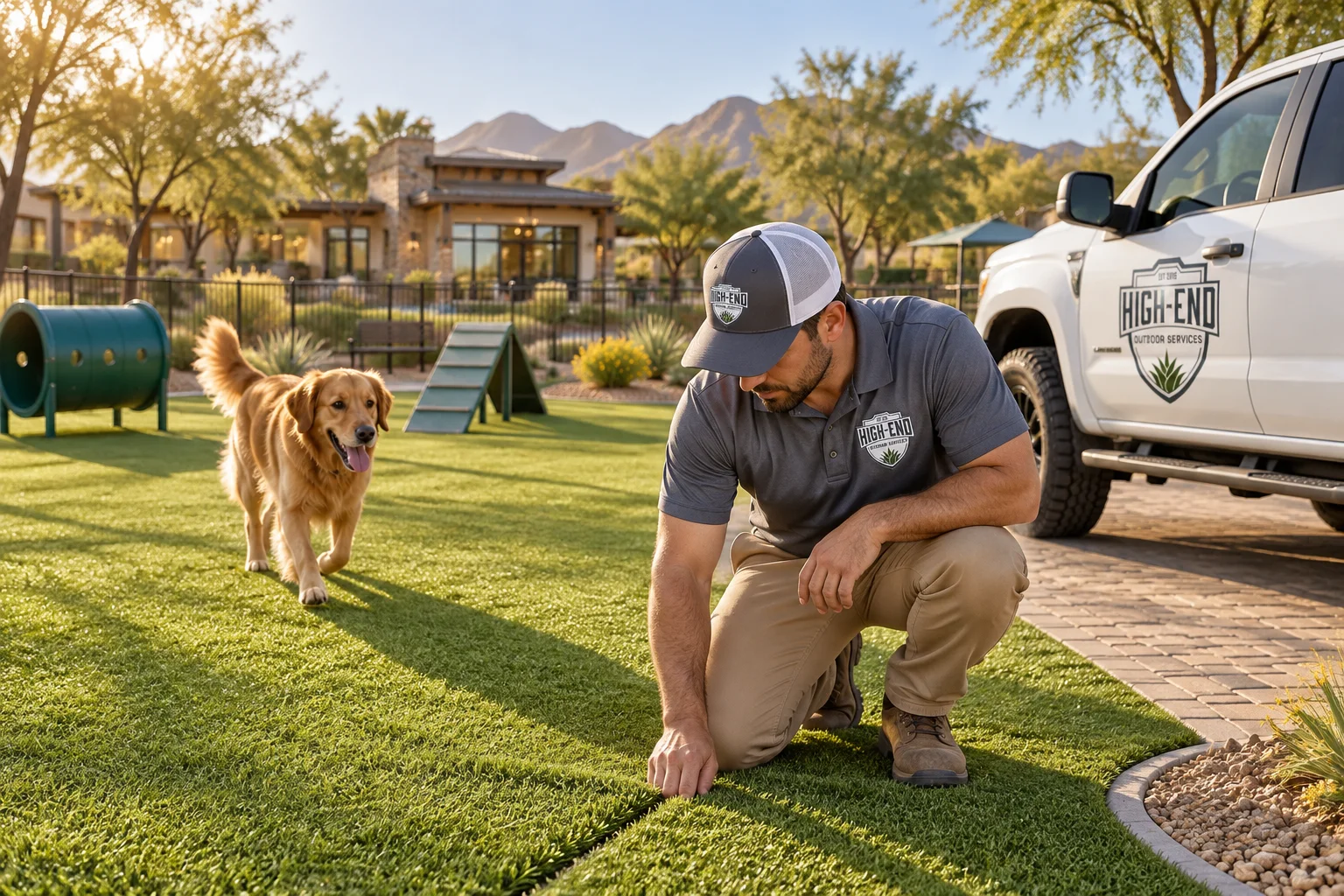
Pet-friendly commercial properties and HOA communities with dog runs present additional challenges. Pet waste introduces bacteria and ammonia compounds that break down infill and create persistent odors. A dedicated enzyme-based treatment, applied monthly or after heavy use, neutralizes these compounds at the fiber level and keeps commercial artificial turf free from odor issues that deter tenants and visitors.
For HOA boards managing shared outdoor spaces, The Ultimate Guide To Turf Maintenance Services For Hoa Communities offers a framework specific to community-scale synthetic turf installations, including vendor selection and budgeting guidance.
Properties with sports turf areas face higher wear demands than standard ornamental installations. Blades in active sports zones should be brushed more frequently, infill checked more often, and seam integrity inspected quarterly to catch damage before it spreads.
Professional Turf Cleaning: When to Call the Experts
Routine in-house maintenance handles day-to-day care, but professional Turf Cleaning is essential at least once or twice per year on busy commercial properties. A professional service uses truck-mounted or walk-behind cleaning units that combine water pressure, extraction, and deodorizing treatments to reach contamination levels that surface-level care cannot address.
Professional turf cleaning services include fiber grooming, infill redistribution, and a full drainage inspection, all areas where in-house crews typically lack the equipment to perform thoroughly. On heavily used commercial turf, an annual professional treatment extends fiber life, restores appearance, and resets odor levels across the entire surface.
Synthetic turf maintenance for commercial properties delivers the best return when professional cleaning is scheduled proactively rather than requested reactively after visible problems appear. Set a spring and fall cleaning schedule and document service dates in your facility maintenance log.
When evaluating providers, ask for documentation of their process, the products they use, and how they handle infill removal and replacement. For more on what to look for when specifying new surfaces or planning a full property upgrade, our Expert Guide To Commercial Turf Installation In Arizona covers product selection, base preparation, and warranty considerations that directly affect long-term commercial turf maintenance requirements.
Read our guide to implementing effective landscape maintenance programs for commercial properties for a cross-disciplinary framework that helps facility managers coordinate multiple service types under one maintenance calendar.
Frequently Asked Questions
How often should synthetic turf on a commercial property be professionally cleaned?
Most commercial artificial turf installations benefit from professional turf cleaning at least once or twice per year. Properties with heavy foot traffic, pet use, or food and beverage service may need quarterly service. Annual cleanings at minimum are necessary to maintain infill integrity, fiber condition, and odor control across the full surface.
Does synthetic turf require water to maintain?
Synthetic turf does not require irrigation the way natural grass does. However, rinsing artificial grass with water is part of routine care, particularly to cool the surface during hot Arizona summers and flush light contamination from fibers. Periodic rinsing between professional visits helps extend the interval between full-service cleaning appointments.
What happens if infill material is not replenished on commercial turf?
Infill provides cushion, stability, and ballast for synthetic turf fibers. When infill depletes through compaction and displacement, fibers lose support, the surface develops low spots, and foot traffic impact increases. On commercial properties with high daily use, infill levels should be checked monthly and topped off at least once per year.
Can weeds grow through commercial artificial turf?
Yes, though uncommon when the installation includes a proper weed barrier. Weeds most often appear at seams and edges where the barrier has been compromised over time. Monthly edge inspections and prompt removal prevent roots from establishing and damaging the base layers beneath the turf.
How do I control odors on artificial grass at commercial properties with pet access?
Enzyme-based deodorizing solutions are the most effective approach for odor control on commercial artificial turf in pet-friendly zones. These products break down ammonia and bacterial compounds rather than masking them. Apply treatments monthly in active pet areas and immediately after any waste incidents, followed by a thorough rinse.
Keep Your Commercial Turf Investment Performing Year-Round
A consistent maintenance schedule is the single greatest factor in maximizing the lifespan and appearance of synthetic turf on commercial properties. From regular brushing and debris removal to annual professional turf cleaning, the steps in this checklist protect a significant property investment and enhance the visitor experience at your facility. Contact the HEOS AZ team to discuss a commercial turf maintenance plan matched to your property's surface types, traffic levels, and service schedule.