Artificial Turf Dog Runs for HOAs and Pet-Friendly Communities
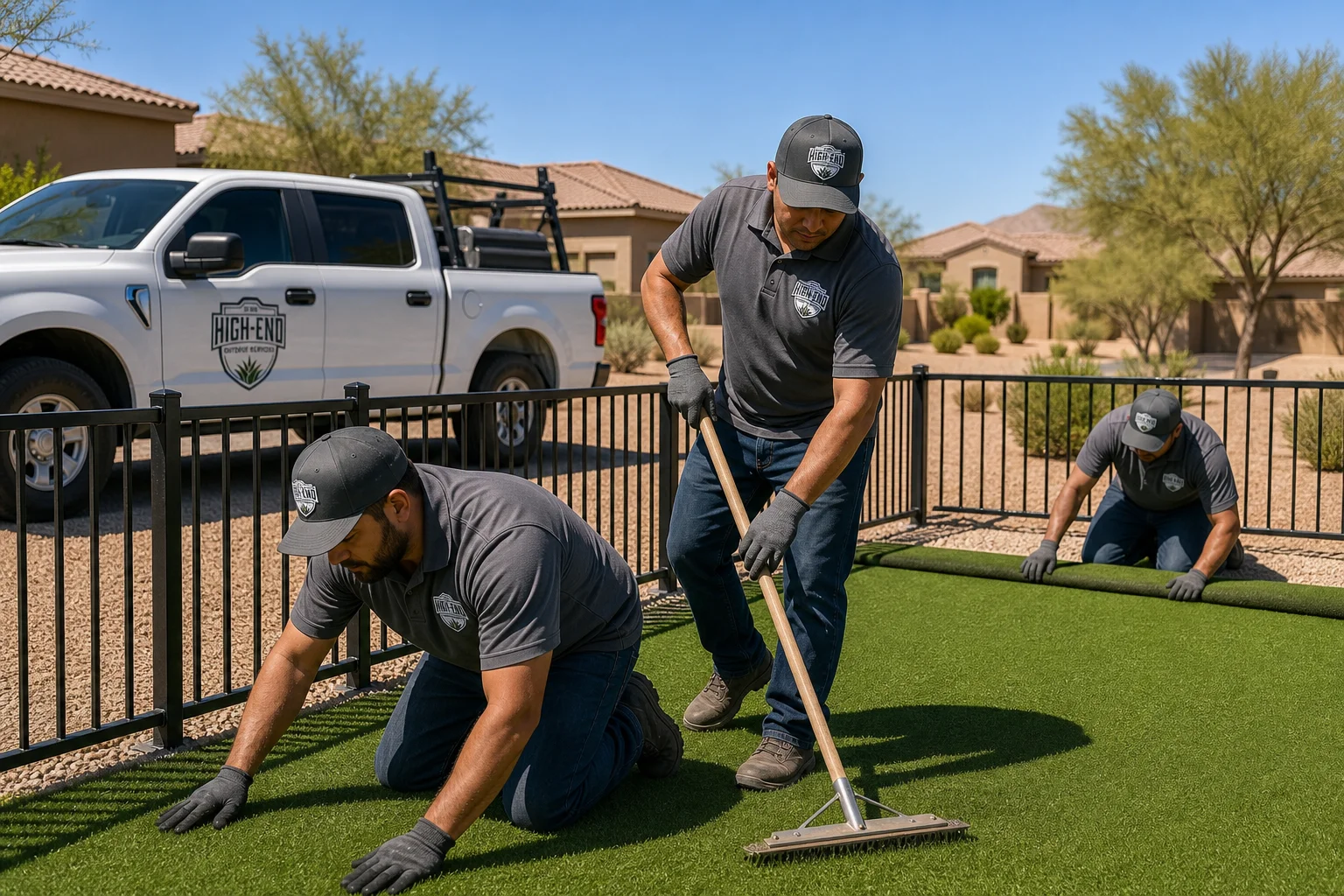
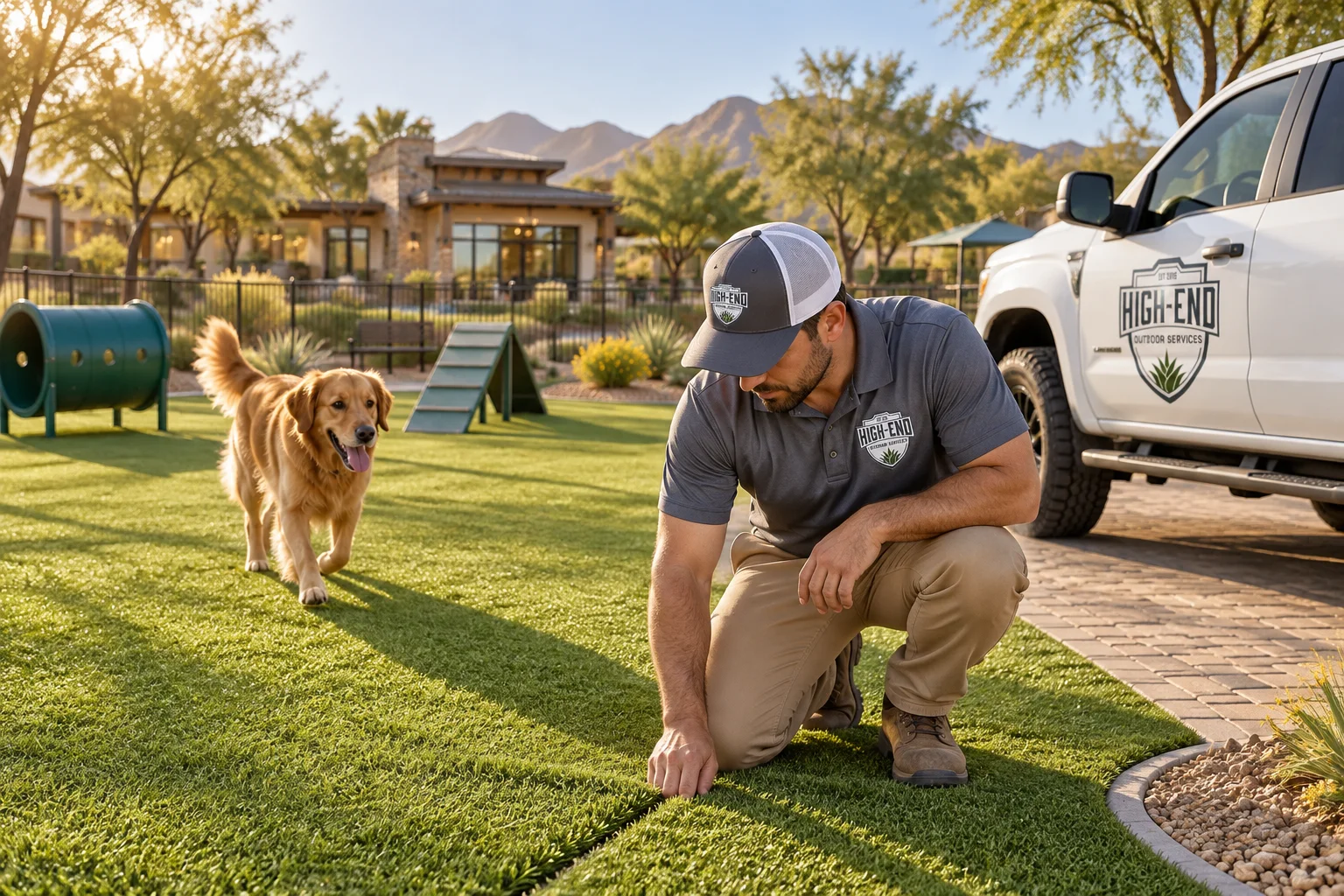
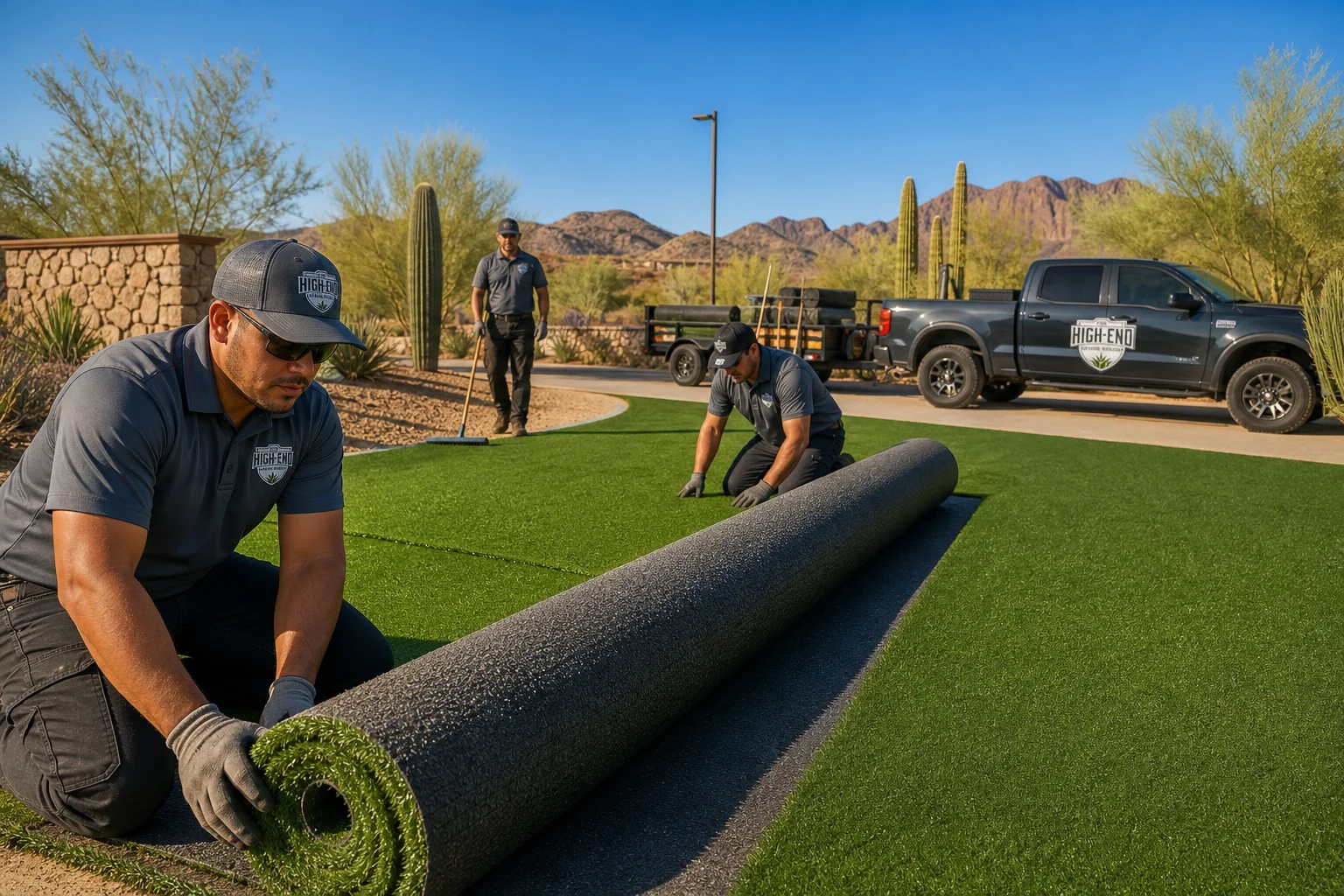
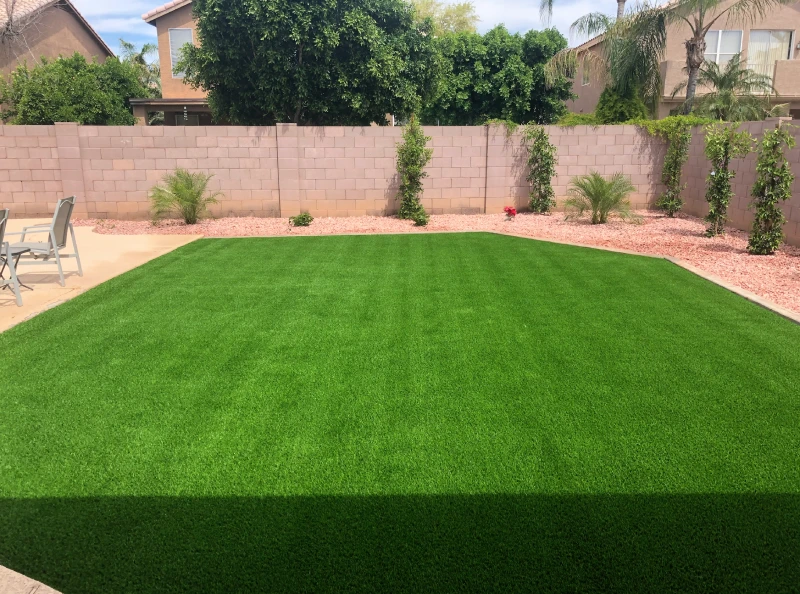
Artificial turf dog runs for HOAs and pet-friendly communities deliver the durable, low-maintenance outdoor pet space that shared properties demand. In Arizona's climate, where heat and heavy use destroy natural grass in a single season, Turf Installation built around pet-specific synthetic materials gives HOA boards a long-term solution residents rely on year after year.
By HEOS AZ Team, Outdoor Living Specialists
How Artificial Turf Dog Runs Solve the Biggest HOA Landscaping Challenge
The natural grass dogs tear apart in shared outdoor areas presents one of the most persistent maintenance problems community associations manage. Natural grass cannot hold up to the concentrated wear patterns of dozens of dogs using the same space every day. Repeated fence-line running, digging, and high-volume urination from multiple animals destroy natural grass faster than any maintenance crew can restore it, leaving the area patchy, muddy, and visually degraded.
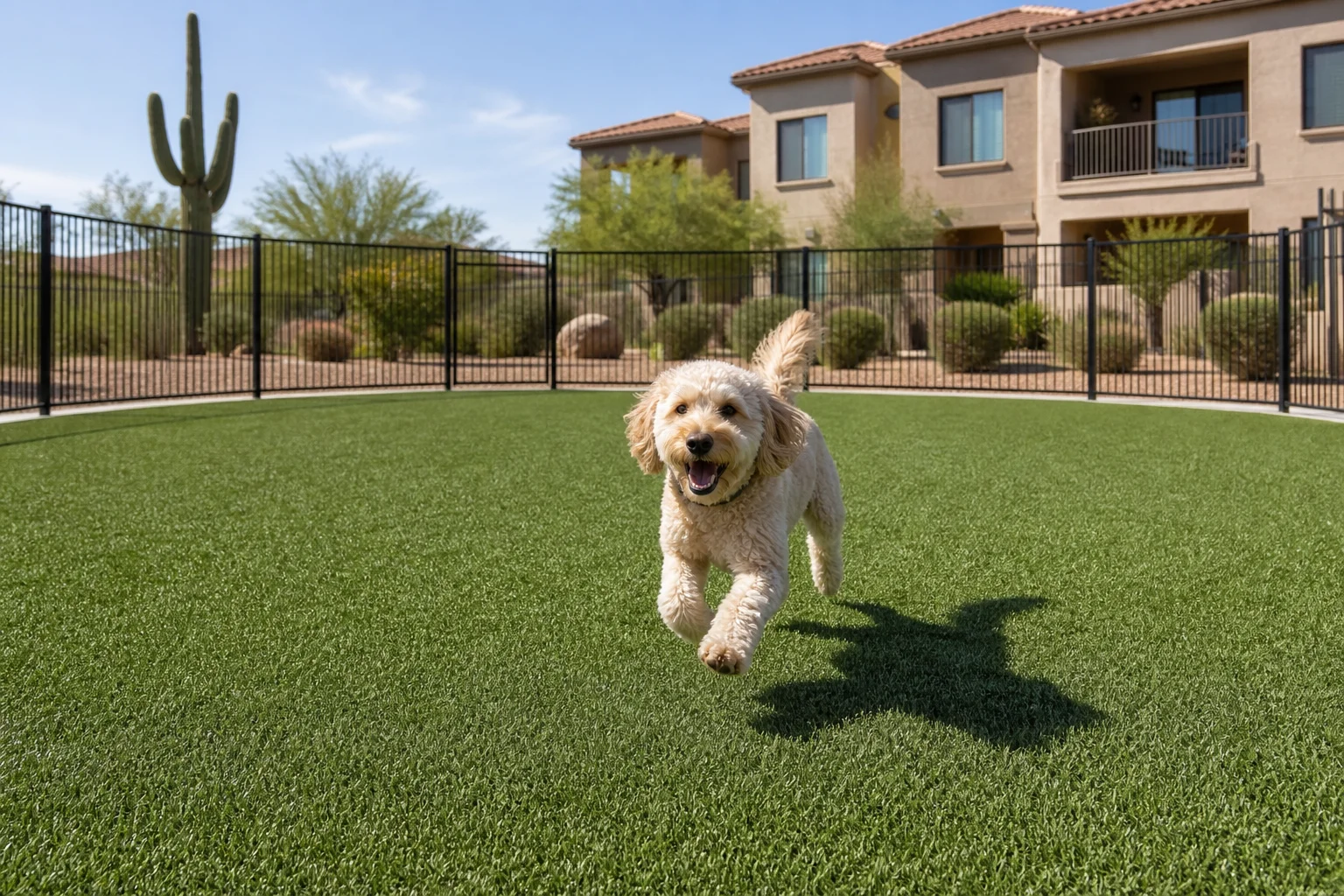
The demand for artificial turf dog runs for HOAs and pet-friendly communities has grown steadily as association boards recognize these maintenance realities. A properly specified and installed synthetic turf dog run tolerates daily heavy use without forming bare patches, compacting into mud, or requiring seasonal reseeding. For boards managing shared outdoor amenities, that durability translates directly into fewer maintenance calls, lower landscape labor costs, and a higher-quality resident experience.
Water savings add another layer of value in Arizona. Natural grass in a dog run requires regular deep irrigation to stay alive during summer months when temperatures routinely exceed 110 degrees. Switching to synthetic grass eliminates that irrigation demand entirely, contributing to a community's water conservation goals.
HOA boards already working with a full-service HOA Landscaping partner can typically incorporate a dog run installation into an existing landscape contract, making the upgrade operationally straightforward.
How Artificial Grass Compares to Real Grass in Pet Areas
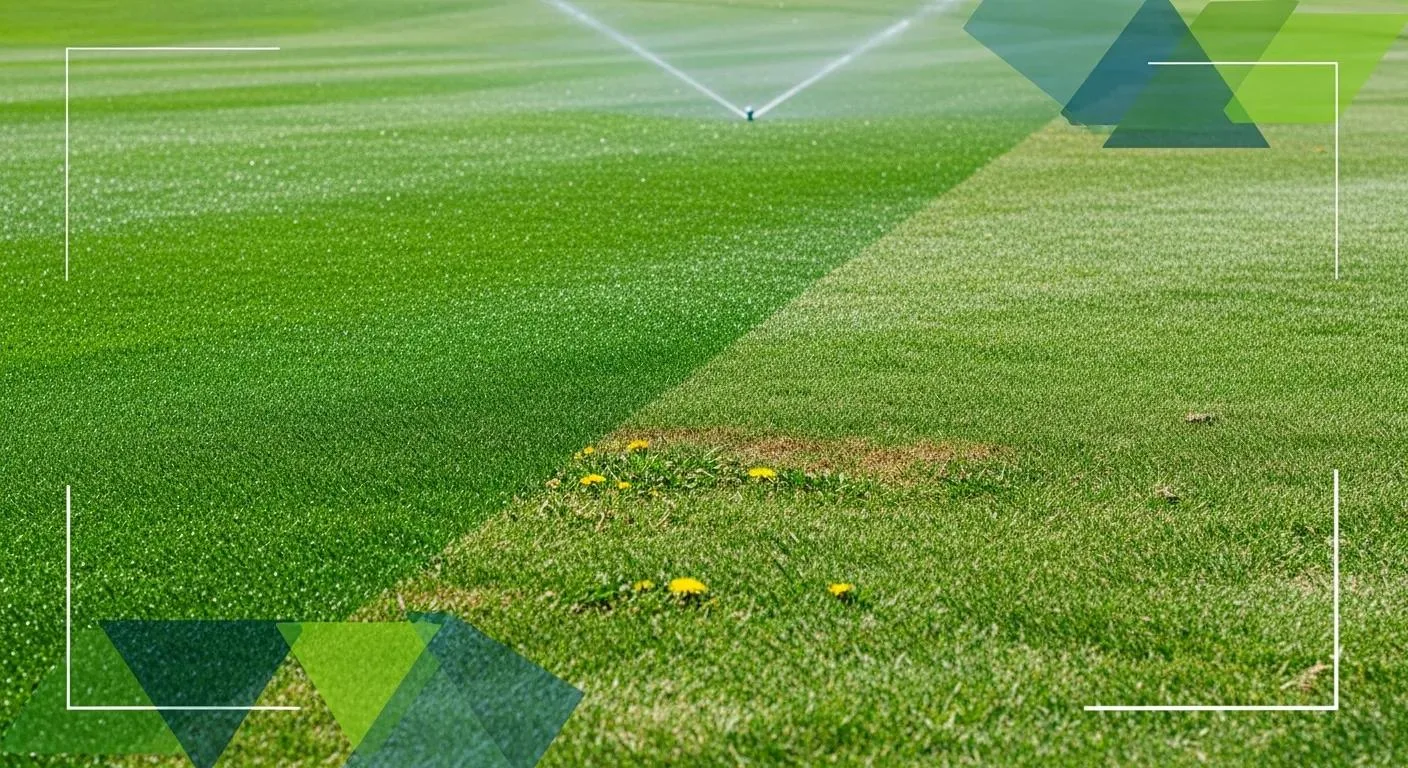
The difference between artificial grass and real grass becomes clearest in high-traffic pet zones. Real grass depends on root systems that need time, water, and rest to regenerate. A shared dog run grants the turf none of those conditions.
Artificial grass holds its structure without any inputs. The fiber blades maintain their shape and color through continuous use, and a properly engineered backing system drains liquid waste quickly enough to prevent pooling. Where real grass turns patchy and muddy within weeks of heavy dog use, synthetic grass holds its appearance for years.
One behavioral detail worth noting: the grass dogs prefer tends to be real surfaces initially, because dogs navigate by scent and are drawn to organic material. Over a short transition period, most dogs adapt fully to pet turf and use it without hesitation. Introducing familiar scents during the first week accelerates this adjustment considerably.
For a deeper comparison of material performance, our guide to The Ultimate Guide To Understanding Artificial Turf Vs Artificial Grass covers the technical differences that matter most for community installation decisions.
Designing an Effective Dog Run for Your Community Property
Designing artificial turf dog runs for HOAs and pet-friendly communities requires more than selecting a material and enclosing a space. The base construction, drainage design, fencing configuration, and amenity layout all affect long-term performance and how frequently residents actually use the area.
Base Construction and Drainage
Pet turf installations depend on a compacted granular base, typically crushed granite or decomposed granite, to provide structural support and efficient drainage. The synthetic turf is secured over this base with the backing system oriented to direct liquid downward through the profile. A minimum drainage rate of 30 inches per hour is the standard specification for pet areas, with premium pet turf products often achieving 60 to 100 inches per hour through specialized backing construction.
Without a properly engineered base, even high-quality synthetic turf develops drainage problems over time, leading to odor buildup that routine cleaning alone cannot correct.
Layout and Community Amenities
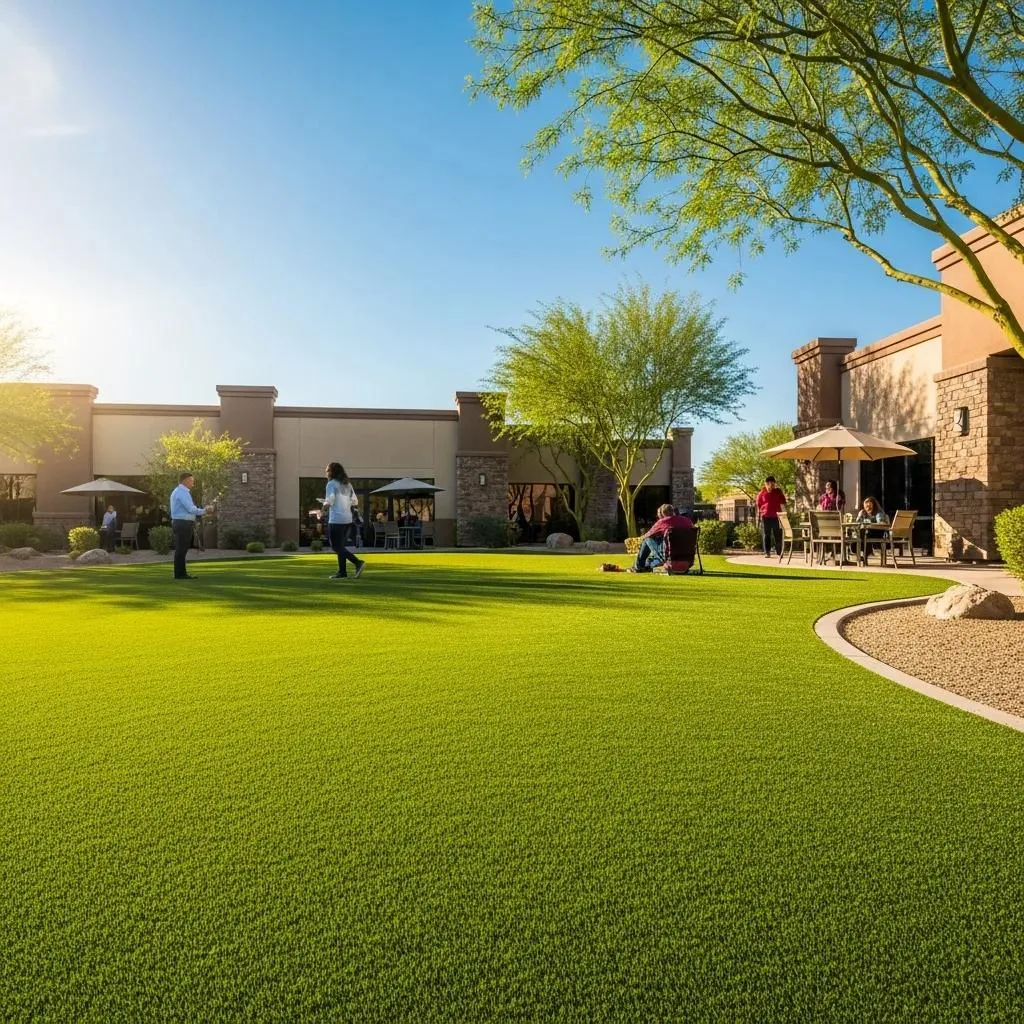
Dividing a community dog run into sections by dog size improves resident comfort and reduces conflict between animals of different sizes. Shade structures covering at least part of the run are a practical necessity in Arizona, reducing surface temperatures and encouraging use across more hours of the day. Waste disposal stations, seating, and potable water access complete a well-designed facility that residents return to consistently.
Pet Waste Management and Synthetic Turf Cleaning
Pet waste management is the most common concern HOA boards raise about synthetic turf dog runs, and it deserves a direct answer. Solid waste should be removed promptly after deposit, exactly as it would from any outdoor surface. The real advantage of synthetic turf lies in how liquid waste is handled at the surface and backing level.
Quality pet turf products use antimicrobial infill materials that inhibit bacterial growth between cleaning visits. Silica sand infill treated with zinc or proprietary organic compounds reduces odor accumulation during normal daily use. Regular rinsing with water, whether from a hose or a dedicated irrigation head positioned over the run, flushes residue through the drainage system and keeps the surface manageable between professional service visits.
For high-use community dog runs, scheduled professional turf cleaning provides the deeper treatment that routine rinsing cannot deliver. Professional cleaning removes accumulated pet waste residue at the fiber and infill level, applies enzyme-based or antimicrobial treatments, and restores the surface to a clean baseline. In Arizona's summer heat, scheduling professional cleaning every 60 to 90 days is a sound standard for any shared facility.
Boards building a comprehensive turf maintenance program will find our guide to The Ultimate Guide To Turf Maintenance Services For Hoa Communities useful for establishing service frequency benchmarks and evaluating providers.
Selecting the Right Synthetic Turf for Your Community Dog Run
Not all synthetic grass products perform equally in dedicated pet environments. When evaluating turf dog area specifications for a community installation, the following factors separate adequate from excellent performance.
Fiber type and pile height: Short-pile pet turf, typically 30 to 38 millimeters, provides a firm surface that cleans more easily than taller decorative products. Higher density fiber counts improve durability under repeated paw traffic from multiple dogs over time.
Drainage rate and backing system: Specify dual-layer or perforated backing systems with drainage rates above 30 inches per hour. This single variable most directly determines long-term odor performance in a shared facility.
Antimicrobial infill: Infill treated with antimicrobial compounds is the line item that most meaningfully affects odor control between professional cleanings. It should be specified explicitly in any installation contract for a community dog run.
Warranty terms: Commercial-grade synthetic turf and synthetic grass products for high-traffic outdoor applications carry manufacturer warranties of 8 to 15 years when properly installed and maintained.
For properties dealing with performance issues in an existing synthetic installation, our guide to turf repair services covers the most common failure points and what remediation typically involves. For a broader view of landscape program costs across a commercial property, Implementing Effective Landscape Maintenance Programs for Commercial Properties provides a useful budgeting framework.
Frequently Asked Questions
Does artificial turf get too hot for dogs in Arizona summers?
Surface temperature is a real consideration in Arizona. Pet turf in direct sun reaches higher temperatures than natural grass during peak afternoon hours in summer. Quality installations address this with heat-reflective infill products, and shade structures significantly lower surface temperatures within the run. Scheduling dog run use during morning and evening hours during the hottest months provides an additional management layer that most HOA communities adopt as standard practice.
How often should a community dog run be professionally cleaned?
For a shared facility serving 20 or more households, professional cleaning every 60 to 90 days provides a reliable maintenance baseline. High-use runs benefit from quarterly professional service supplemented by weekly rinse-downs from property maintenance staff. Usage volume, the number of dogs using the space, and seasonal temperature all influence the right interval for a given community.
Is artificial grass safe for pets?
Modern pet turf and synthetic grass products designed for pet environments are manufactured without lead-based colorants and meet consumer product safety standards for outdoor applications. Specifying products explicitly labeled for pet use from established manufacturers ensures the installation uses materials formulated with animals in mind, including children who may share adjacent outdoor spaces.
Can synthetic turf handle large dog breeds?
Synthetic turf installed over a properly compacted base handles the weight and activity patterns of large breeds without permanent compression or structural failure. The surface is firm enough to support running and play without deforming, and the drainage system is engineered to manage the higher liquid waste volumes typical of larger dogs.
What happens when sections of synthetic turf are damaged?
Individual sections of artificial turf can be patched or replaced without disturbing the surrounding installation. This practical flexibility is a clear advantage over natural grass, where concentrated damage in one area typically spreads over time or requires full resodding of the affected zone.
Build a Dog Run Your Community Will Be Proud Of
A professionally installed artificial turf dog run raises the quality of shared outdoor life for residents and reduces the long-term maintenance burden for your landscape management team. Contact the HEOS AZ team to discuss the right synthetic turf design for your HOA community or commercial property.