Xeriscape Conversion ROI for Commercial Properties: Water Bills and Rebates
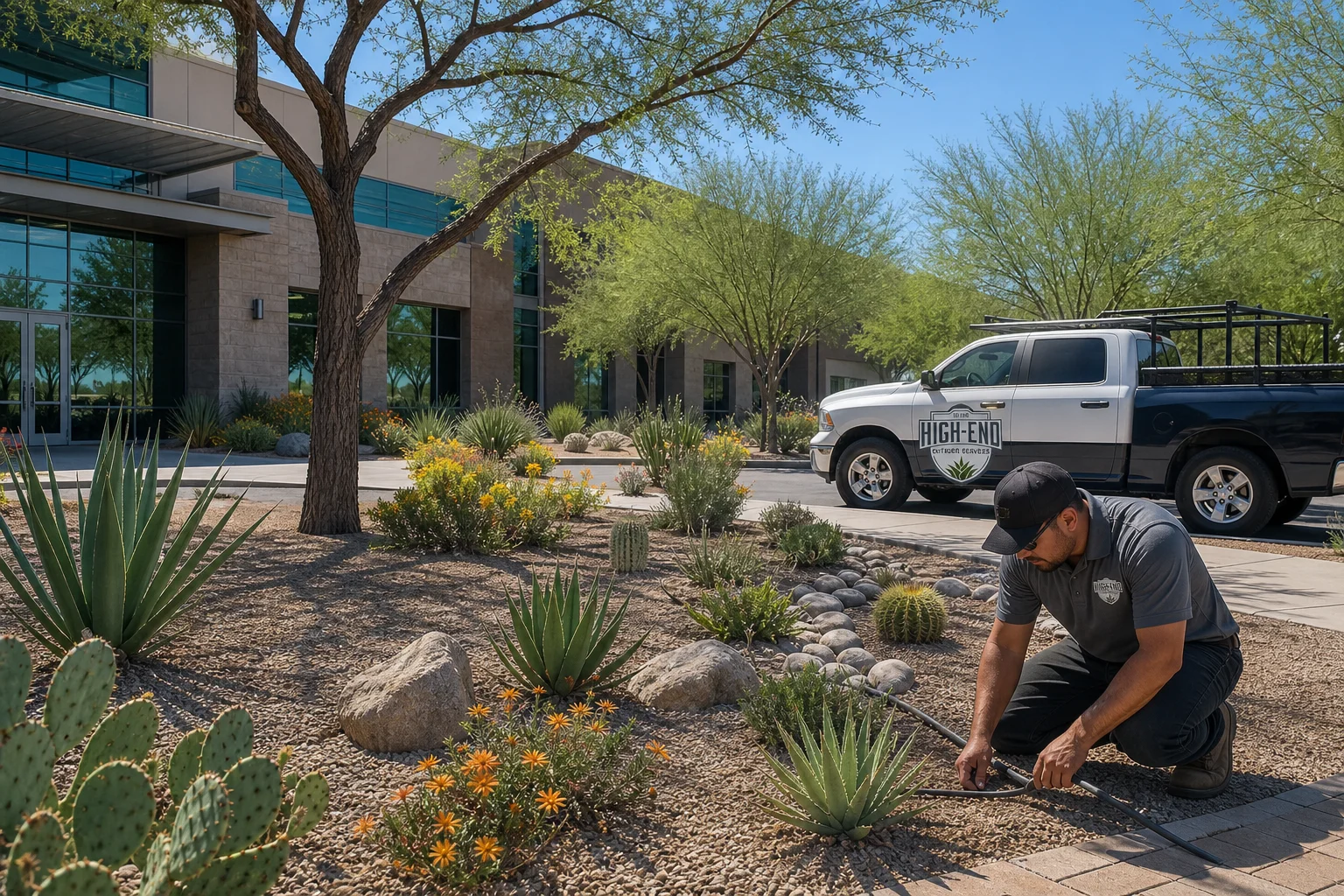
Xeriscape conversion ROI for commercial properties comes down to three numbers: installation cost, water savings, and available rebates, and most Arizona properties recoup their investment within two to four years. This guide breaks down real water bills, maintenance costs, and rebate programs so HOA boards and property managers can plan a Xeriscaping budget with confidence.
By HEOS AZ Team, Outdoor Living Specialists
Every xeriscape conversion roi for commercial properties calculation starts with three inputs: what the retrofit costs to install, how much it reduces water use, and how long the payback takes against current utility rates. Arizona's tiered commercial water rates mean the highest-consumption properties, those irrigating large turf panels, see the fastest payback. A typical approach converts turf in phases: parking medians and entry islands first, then larger open turf areas, so the property keeps some green space while spreading the capital cost over multiple budget cycles. Even a small back-of-house yard area can be folded into a later phase without disrupting the front-facing curb appeal that visitors see first.
Square footage drives the math directly. A property converting 10,000 sq ft of irrigated turf to a drought-tolerant design can expect measurably lower water bills within the first billing cycle after completion, since desert-adapted landscaping typically requires a fraction of the irrigation runtime that cool-season turf demands.
Water Use and Water Bills: The Line Item That Moves Fastest
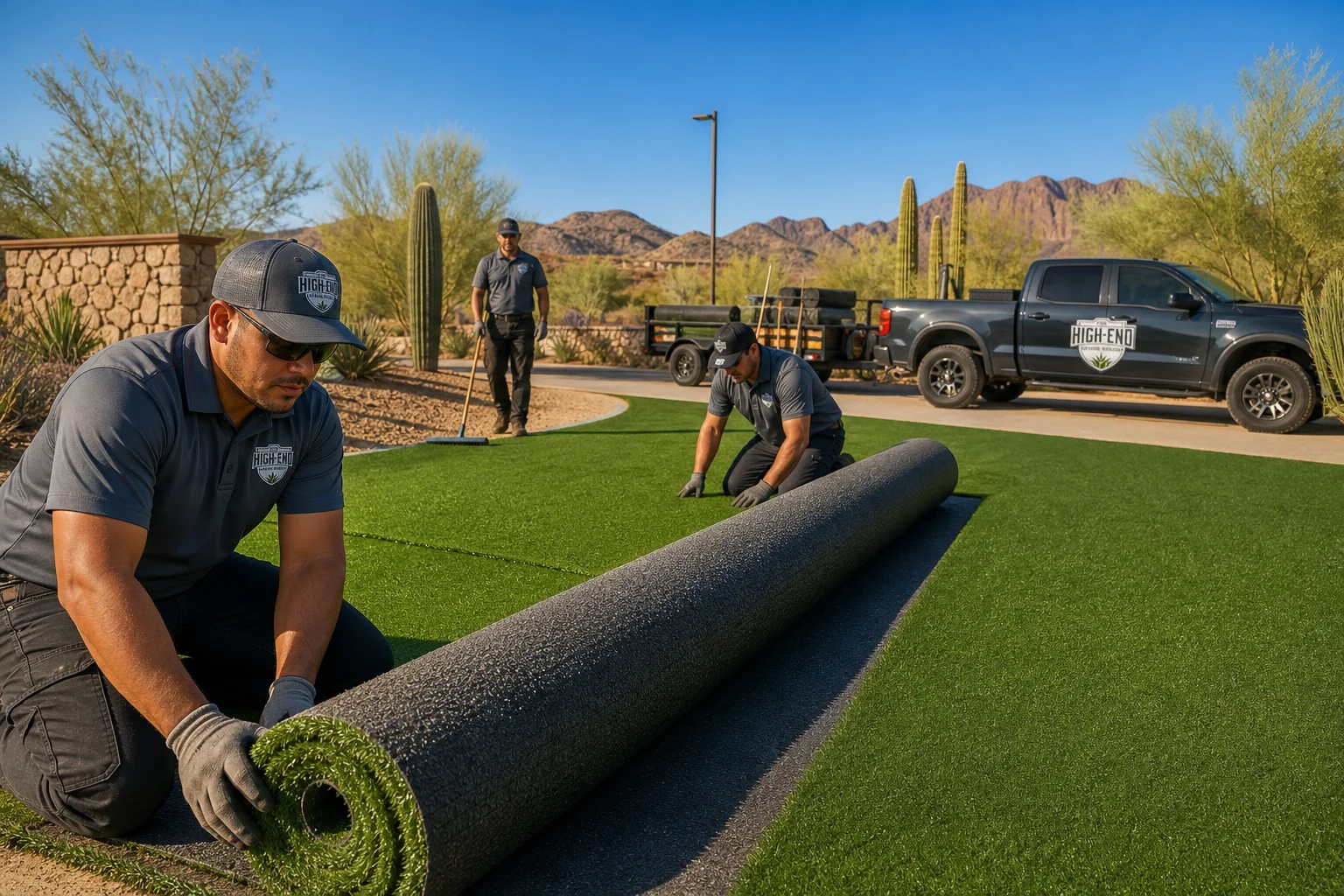
Turf is the single biggest water use driver on most commercial properties in the Valley. A well-maintained cool-season lawn in Phoenix or Scottsdale can require multiple irrigation cycles per week during summer months, and that demand shows up directly on the water bill. Converting that lawn to xeriscape, using native plants, gravel, and decomposed granite in place of grass, cuts irrigation demand and helps reduce water use across the entire property.
The best-performing conversions pair native trees shrubs and gravel groundcover zones instead of thirsty turf panels, matching each planting zone to its sun exposure and soil conditions. South- and west-facing zones with full sun get the most drought-tolerant species, while entry areas near the building can keep a small turf accent or flower garden for curb appeal without carrying the water use burden of a full lawn.
For HOA communities managing multiple parcels, our team typically models the water use reduction property by property before recommending a conversion sequence, phasing out the highest-consumption zones first.
Maintenance Costs Before and After Conversion
Water is only part of the savings. Maintenance costs drop just as sharply once turf gives way to a xeriscape design, because mowing, edging, overseeding, and fertilizing a cool-season lawn are labor-intensive tasks that a gravel-and-native-plant landscape simply does not require. Commercial properties that convert typically see gardening labor hours fall by a significant margin, since drought-tolerant plantings need seasonal pruning and occasional weeding rather than weekly service.
That shift changes the maintenance costs conversation for property managers and HOA boards alike: instead of budgeting for weekly mowing crews and overseeding twice a year, a converted commercial property shifts spending toward periodic irrigation checks, occasional gravel refresh, and seasonal trims of trees shrubs near walkways. Our Landscape Design team builds these lower-maintenance requirements into the plan from day one, sizing plant material and gravel depth so the design still looks sharp with a lighter service schedule.
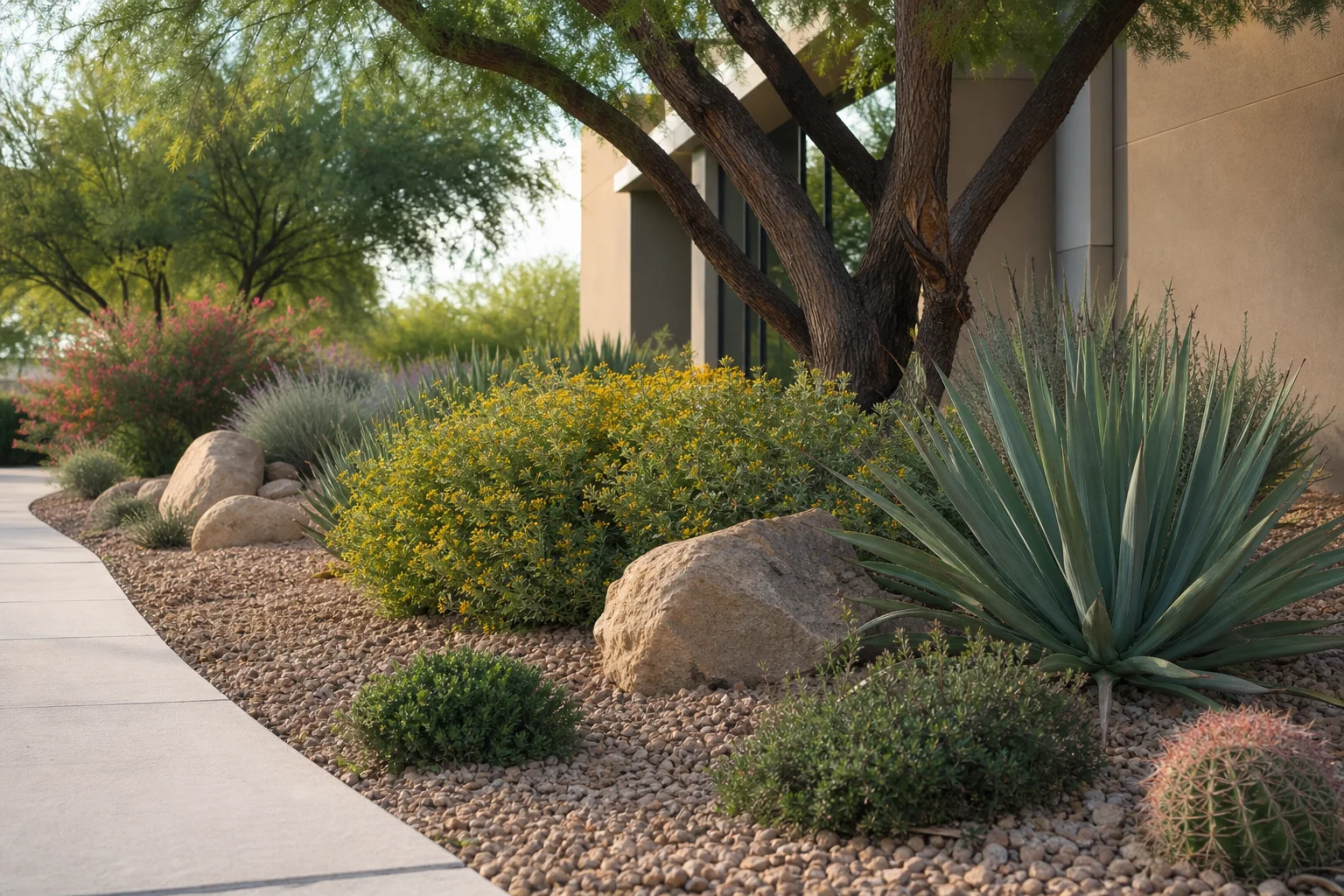
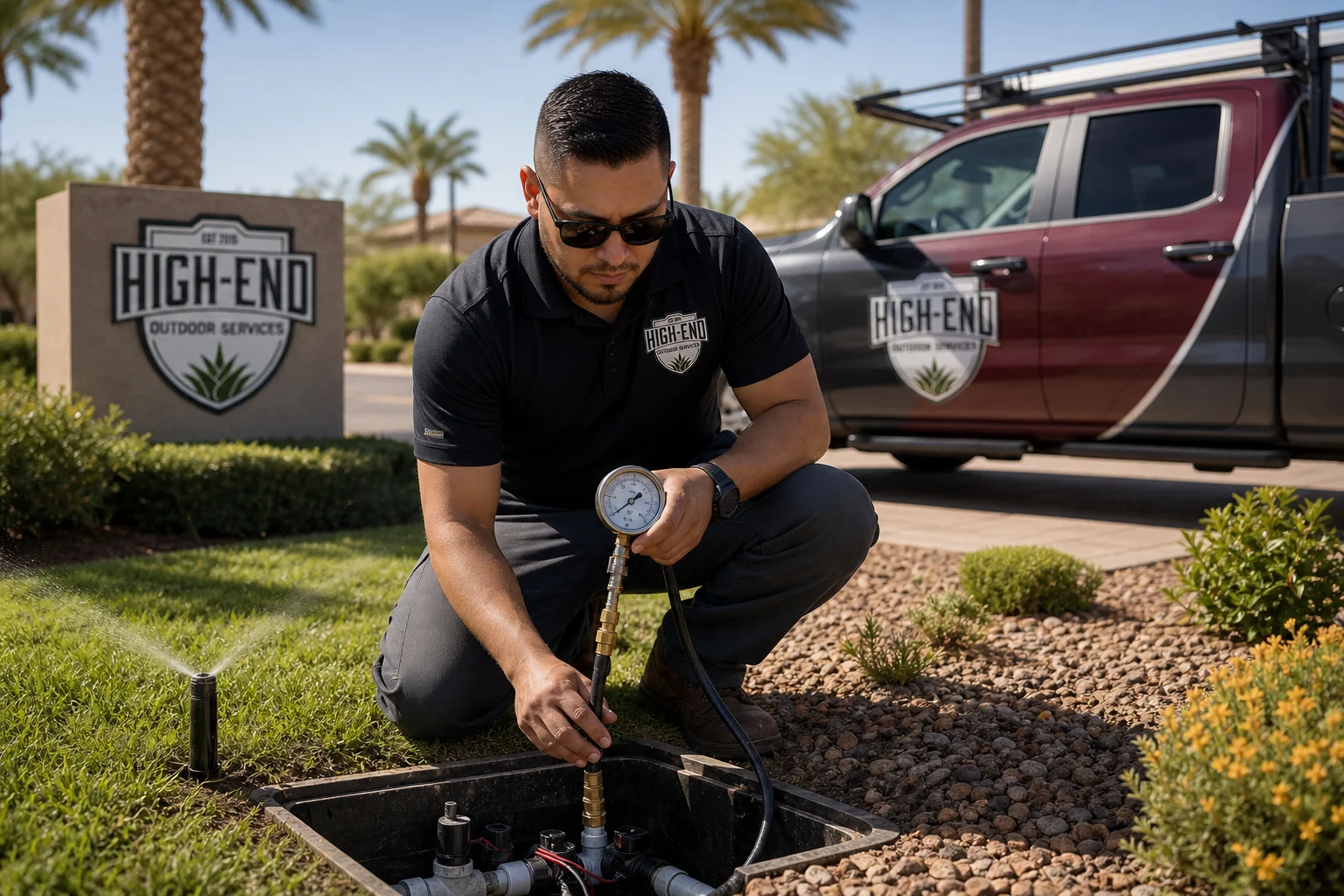
Sustainable landscaping isn't only about the plant palette. A sustainable irrigation zone map, paired with drip lines instead of spray heads, is what actually locks in the long-term maintenance costs savings, since drip systems lose far less water to evaporation and wind drift than traditional lawn sprinklers.
Rebates and Incentives That Shorten the Payback Timeline
Arizona water providers periodically offer turf conversion rebates that pay commercial properties a set amount per square foot removed, though program terms, funding caps, and eligibility requirements change frequently and should be confirmed directly with the local provider before a project is scoped. When a rebate is available, it typically reduces the net installation cost enough to shave months off the payback period calculated earlier in this guide.
Because rebate programs often require photo documentation, plant lists, and a minimum percentage of the converted area to use approved native plants, working with a landscaping partner who has processed these applications before matters. For a deeper look at how turf removal pencils out across an entire portfolio, see our guide to synthetic turf roi, which walks through the same water savings and payback math from the turf side of the equation.
HOA boards weighing a phased conversion should also review our guide to landscaping trends 2024 hoa commercial properties for how rebate-eligible designs are trending across Valley communities, since rebate reviewers increasingly favor layouts with defined planting zones over uniform gravel fields.
Curb Appeal, Property Value, and the Rental Market
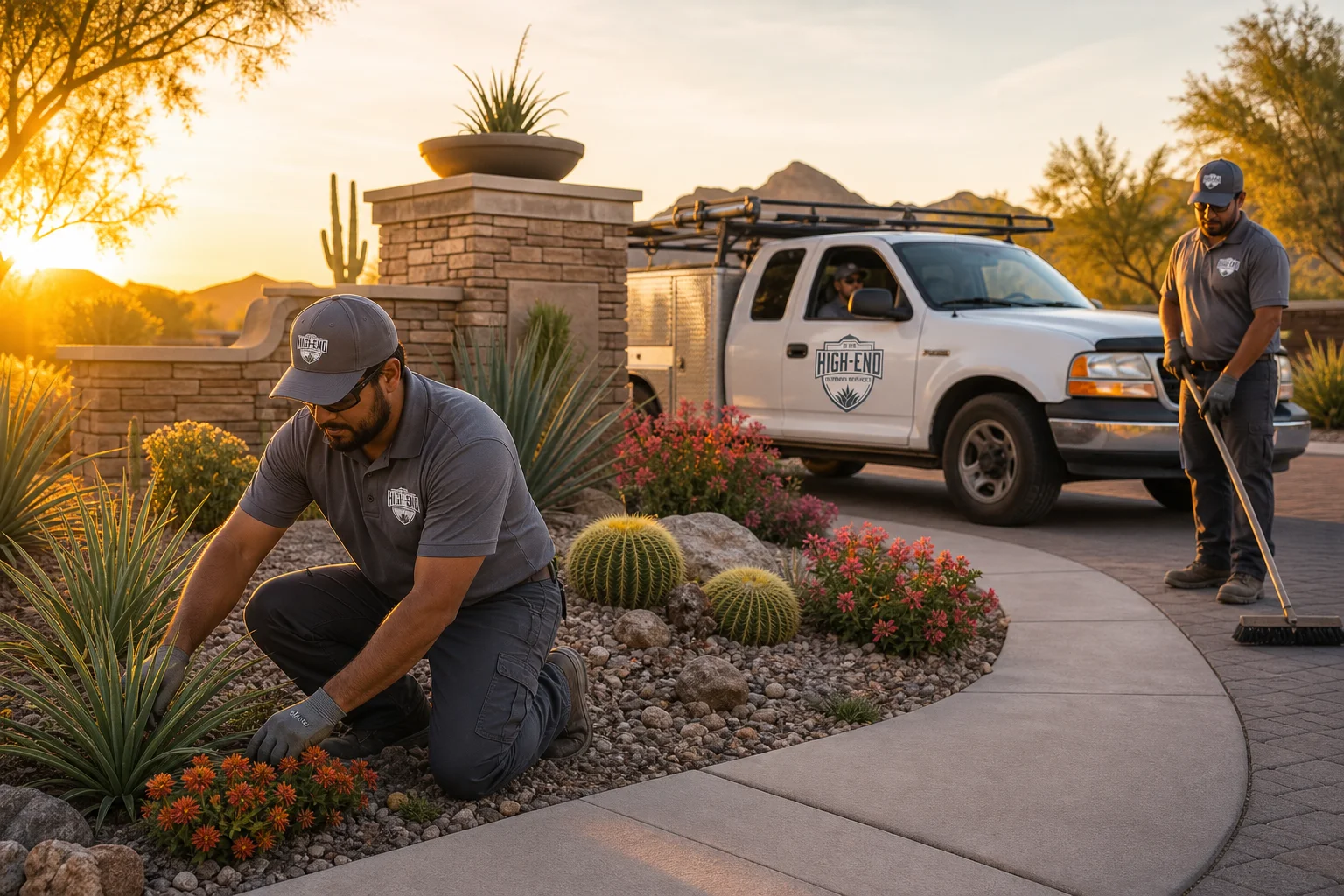
Curb appeal is the return on investment that does not show up on a water bill but shows up on a rent roll. Commercial and multifamily rental properties in Arizona increasingly market a xeriscape or hybrid landscape as a selling point, not a compromise, because tenants and buyers now expect drought-tolerant design as the baseline rather than the exception. A well-executed conversion, with mixed planting heights, native plants at varying heights, gravel color that complements the building palette, community gardens near clubhouse entrances, and accent turf only where people actually gather, reads as intentional rather than bare.
Property managers deciding between a full in-house crew and an outsourced conversion partner should weigh both the upfront design cost and the ongoing service model; our guide to in-house vs outsourced grounds maintenance breaks down that comparison in detail. And because a new landscape only holds its curb appeal with consistent care, pairing the conversion with a defined service calendar, covered in our guide to how often should commercial properties be serviced? the arizona maintenance calendar, keeps the investment protected long after installation.
Frequently Asked Questions
How long does it take to see a return on a xeriscape conversion? Most Arizona commercial properties recoup installation costs within two to four years, depending on the size of the turf area removed, local water rates, and whether a rebate offsets part of the upfront cost. Properties with the largest existing lawns and the highest water bills typically see the fastest payback, since the base water use reduction is proportionally larger.
Are rebates available for commercial xeriscape conversions in Arizona? Many Arizona water providers periodically offer turf conversion rebates paid per square foot removed, though funding caps, plant list requirements, and application deadlines vary by provider and change from year to year. Confirm current program terms and eligibility requirements directly with the local water utility before finalizing a conversion budget.
Will converting to xeriscape hurt curb appeal or property value? No. A well-designed conversion using native plants, varied planting heights, and quality gravel or decomposed granite typically improves curb appeal rather than diminishing it, since desert-adapted landscaping stays attractive year-round without the seasonal browning or bare patches that stressed turf develops during Arizona summers.
How much water can a commercial property actually save? Savings depend on how much turf converts and the irrigation system installed, but replacing a cool-season lawn with drought-tolerant plantings and drip irrigation commonly cuts landscape water use substantially, since desert-adapted zones need far fewer, shorter irrigation cycles than traditional turf requires during peak summer months.
Start Your Xeriscape Conversion With a Property-Specific Plan
Every property has a different mix of turf, planting zones, and irrigation age, so the fastest way to get an accurate cost and rebate estimate is a site walk with our team. Contact HEOS AZ to schedule a xeriscape conversion assessment for your commercial property.